



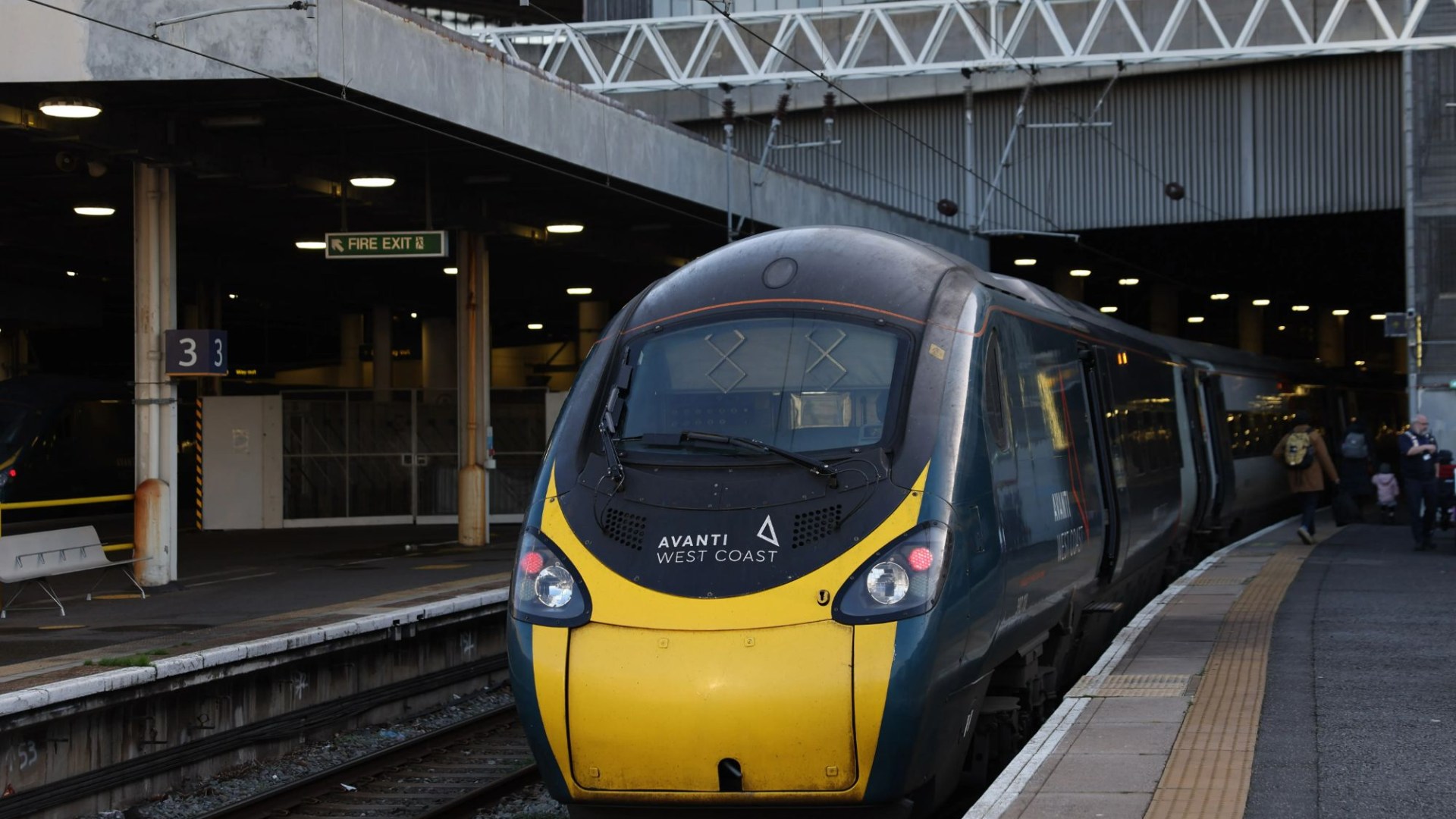
The looming New Year’s Eve celebrations in the UK are threatened by impending travel disruptions as Avanti West Coast train workers prepare for a series of strikes. These industrial actions, announced by the rail operator, are scheduled for December 31st, January 2nd, and every Sunday between January 12th and May 25th, 2025. The strikes stem from an ongoing dispute between Avanti West Coast and the RMT union regarding working on rest days. The RMT members have twice rejected offers from Avanti, leading to the escalation of industrial action. This development adds to the already existing travel challenges posed by previously announced strikes by Avanti train managers scheduled for December 22nd, 23rd, and 29th, further complicating holiday travel plans.
The core issue fueling the dispute is the requirement for train managers to work on their rest days. While train managers typically work a 41-hour week, staff shortages have led to increased demands for them to work additional shifts, a situation the RMT deems “unacceptable.” The union argues that the current arrangements are unsustainable and unfair to its members. They believe that sustained strike action is necessary to pressure Avanti’s management to engage in meaningful negotiations and reach a satisfactory resolution. The RMT has expressed its disappointment with Avanti’s responses to their concerns and emphasizes that strike action is the only remaining recourse to secure a fair agreement.
Avanti West Coast, acknowledging the potential disruption, has suspended ticket sales for the affected dates. The company is currently assessing the full impact of the strikes on its services and promises to release detailed plans and travel advice as soon as possible. Passengers are assured that refund information and alternative ticket options will be provided once finalized. This proactive approach aims to minimize disruption and provide clarity to customers amidst the uncertainty. However, the timing of the strikes, coinciding with the New Year’s period and subsequent Sundays, will inevitably impact a significant number of travelers.
The broader implications of these strikes extend beyond the immediate inconvenience to passengers. They highlight the ongoing tension between rail operators and unions regarding working conditions and staffing levels within the UK rail industry. The dispute underscores the challenges faced by the industry in balancing operational needs with employee well-being. The repeated strikes also raise questions about the effectiveness of current negotiation processes and the need for a more sustainable approach to resolving industrial disputes in the rail sector. The situation calls for a collaborative effort from both sides to address the underlying concerns and prevent further disruptions to essential public transport services.
The upcoming strikes add to the growing list of industrial actions impacting various sectors across the UK, reflecting a broader trend of worker dissatisfaction amid rising living costs and economic uncertainty. The rail industry, in particular, has been significantly affected by strikes in recent months, causing considerable disruption to commuters and travelers. These disruptions not only inconvenience individuals but also have wider economic consequences, impacting businesses and the overall transportation network. The situation underscores the urgent need for effective dialogue and solutions to address the root causes of these disputes and ensure the smooth functioning of essential services.
As the strikes loom, passengers are left facing uncertainty and the prospect of disrupted travel plans. The situation calls for flexibility and preparedness as travelers navigate the potential challenges. Keeping abreast of the latest updates from Avanti West Coast and exploring alternative travel options are crucial steps in mitigating the impact of the strikes. The resolution of this dispute and the prevention of future disruptions will require ongoing communication and a commitment from both sides to find common ground. The focus must shift towards building a sustainable and equitable working environment within the rail industry, ensuring the well-being of employees while maintaining reliable and efficient public transport services.