



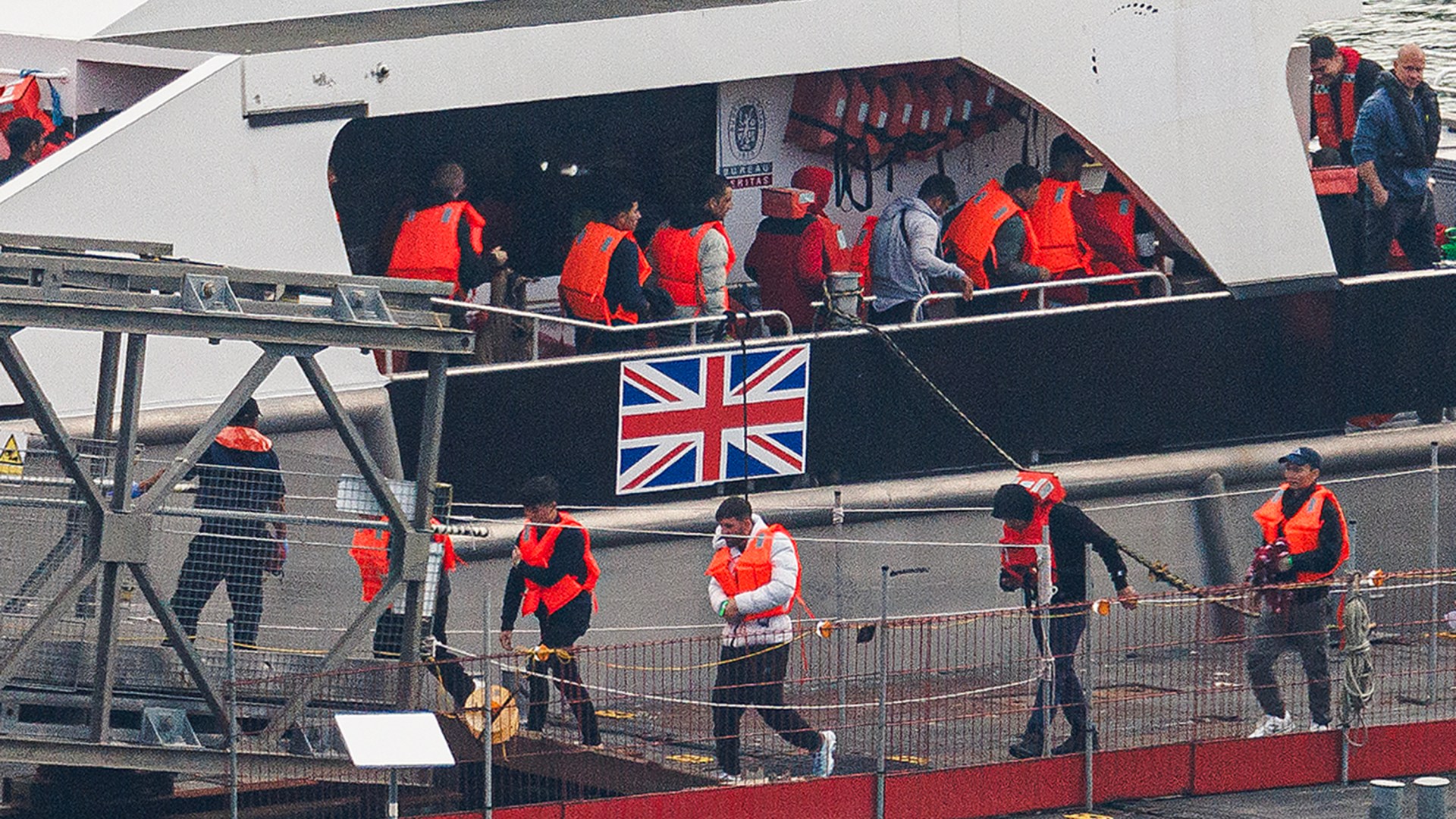
The British Home Office is significantly escalating its efforts to combat illegal Channel crossings by employing advanced drone technology. Moving beyond their previous role of simply scanning the seas, these high-tech drones will now be tasked with gathering detailed intelligence, conducting surveillance, and performing reconnaissance missions. The primary objective is to obtain high-quality video footage that can be used as evidence in prosecuting human traffickers orchestrating these dangerous journeys. The drones are required to be capable of operating discreetly, capturing clear images from a distance, and effectively identifying various targets, including individuals, vehicles, and vessels involved in illegal activities. This represents a marked shift in strategy, transitioning from primarily reactive search and rescue operations to a more proactive approach that aims to disrupt the criminal networks facilitating these crossings.
This initiative stems from a broader governmental push to strengthen border security and address the escalating migrant crisis. The Home Office has issued tenders for contracts, specifically outlining the need for aerial surveillance as part of a comprehensive intelligence-gathering strategy. The collected footage will play a critical role in supporting operational decision-making, coordinating resources, and building robust legal cases against those engaged in human trafficking. The Home Office emphasizes that these measures are essential not only for securing borders but also for protecting the lives of migrants who are often exploited and put at risk by unscrupulous criminal gangs. The perilous nature of these crossings underscores the urgency of disrupting the trafficking networks and deterring further attempts.
The government’s rationale for deploying these advanced drones is rooted in the belief that illegal Channel crossings undermine national security and pose a significant threat to human life. By collecting irrefutable evidence of criminal activity, authorities aim to prosecute traffickers and dismantle their operations. This proactive approach is viewed as crucial for disrupting the lucrative business model that fuels these dangerous journeys. The government contends that by targeting the organizers and facilitators, they can effectively deter further crossings and save lives. This technologically driven strategy represents a significant investment in border security and reflects a determination to tackle the migrant crisis head-on.
The escalating number of illegal crossings has fueled growing concern within the government and prompted this intensified response. With over 33,000 migrants having already crossed the Channel illegally this year, the situation has reached a critical juncture. The deployment of advanced drone technology is intended to address this surge and offer a more effective means of combating the criminal networks behind it. The recent convictions of three individuals involved in multiple attempts to transport migrants across the Channel highlight the government’s resolve to pursue and prosecute those engaged in these illicit activities. These convictions, resulting from a National Crime Agency investigation, serve as a warning to traffickers and demonstrate the government’s commitment to enforcing the law.
The Home Office’s investment in advanced drone technology signifies a strategic shift towards more proactive and intelligence-driven border security measures. By leveraging the capabilities of these sophisticated surveillance tools, authorities aim to gather compelling evidence that will aid in the prosecution of human traffickers and disrupt their operations. This move reflects a growing recognition of the need for more effective strategies to combat the escalating migrant crisis and protect vulnerable individuals from exploitation. The government’s commitment to this technologically advanced approach underscores the seriousness with which it views the issue and its determination to address it comprehensively.
The use of drones represents just one facet of a multifaceted approach to border security. The government is also exploring other measures, including legislative changes and international collaborations, to address the root causes of migration and deter illegal crossings. The deployment of advanced technology, combined with these broader efforts, aims to create a more robust and effective border control system that can protect national security and safeguard the lives of those attempting to reach the UK through dangerous and illegal means. The government’s commitment to this multifaceted approach reflects a recognition of the complex nature of the migrant crisis and the need for a comprehensive response.