

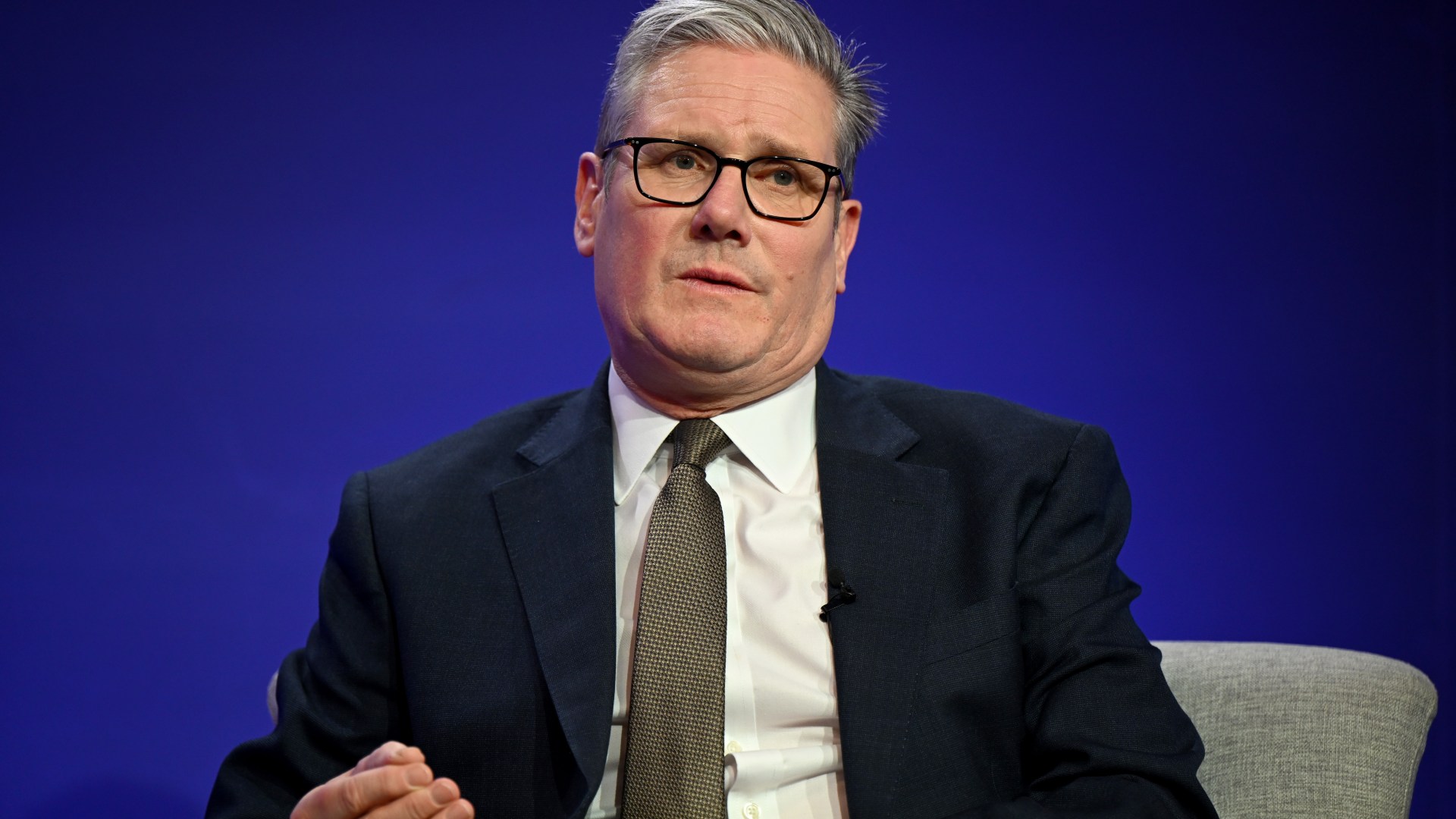
The UK Prime Minister engaged in high-level discussions with US President-elect Donald Trump and his team, conveying a strong message against the imposition of tariffs on UK goods. This concern stemmed from Trump’s protectionist rhetoric during his campaign, where he suggested tariffs of 10-20% on imported goods, with potentially higher rates for countries like China and Mexico. The Prime Minister stressed the detrimental impact such tariffs would have on UK trade and businesses, advocating for continued and strengthened trade relations between the two countries. This diplomatic maneuver underscores the UK’s proactive approach in safeguarding its economic interests in the face of potential trade disruptions under the new US administration.
Sir Keir Starmer, a prominent figure in UK politics, affirmed his opposition to tariffs and emphasized the importance of maintaining and expanding robust trade relationships with the US and other global partners. He revealed recent communication with Trump, including a phone call and meetings between their respective teams, highlighting the ongoing dialogue and efforts to address potential trade challenges. Starmer’s explicit disapproval of tariffs underscores the UK’s commitment to free and open trade and its determination to protect its economic interests in the face of potential protectionist policies.
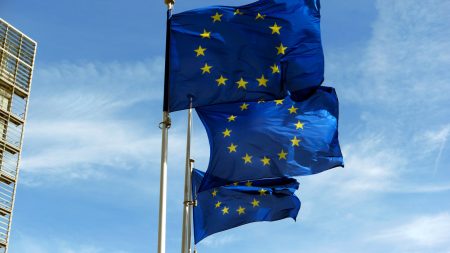
The Prime Minister reiterated his firm stance against tariffs during a grilling by MPs, acknowledging the potential dangers they pose to the UK economy. He underscored his government’s commitment to forging closer trade ties with the US while simultaneously maintaining a strong relationship with the European Union. This nuanced approach reflects the UK’s complex geopolitical landscape and its desire to balance its transatlantic relationships in the pursuit of economic prosperity. The Prime Minister’s refusal to accept a binary choice between the US and the EU highlights the UK’s determination to navigate the changing global order and maintain strong ties with both key partners.
The Prime Minister’s engagement with Trump and his team signals the UK’s proactive approach in addressing potential trade challenges. The emphasis on the potential negative impacts of tariffs underscores the importance of maintaining open and mutually beneficial trade relationships. The ongoing dialogue between the two countries suggests a willingness to engage in constructive discussions to address trade concerns and find common ground for future economic cooperation.
Beyond the immediate focus on tariffs, the Prime Minister outlined a broader vision for boosting economic growth in the UK, emphasizing the need for reforms in areas such as planning and regulation. He acknowledged that achieving these changes and realizing their positive impact on living standards would require time and patience. This long-term perspective underscores the government’s commitment to implementing structural reforms that will lay the foundation for sustained economic growth and improved living standards for all citizens.
The Prime Minister’s discussions with Trump and his subsequent statements to Parliament reveal a multifaceted approach to international trade and domestic economic policy. The UK is actively engaging with the incoming US administration to advocate for its trade interests while simultaneously pursuing a balanced relationship with the EU. Domestically, the government is focused on implementing long-term reforms to boost economic growth and improve living standards, recognizing that these changes will require time and sustained effort. This combined approach reflects the UK’s commitment to navigating the evolving global landscape while simultaneously addressing its domestic economic challenges.