


A disturbing discovery on Google Street View appears to have played a crucial role in unraveling a chilling murder case in a small Spanish hamlet. The images, capturing what seems to be a dead body being transported in a wheelbarrow and later placed into the trunk of a red car, provided vital clues to investigators, ultimately leading to the arrest of two suspects. The victim, a 33-year-old Cuban man identified only by his initials JLPO, had vanished in November of the previous year, his disappearance shrouded in mystery.
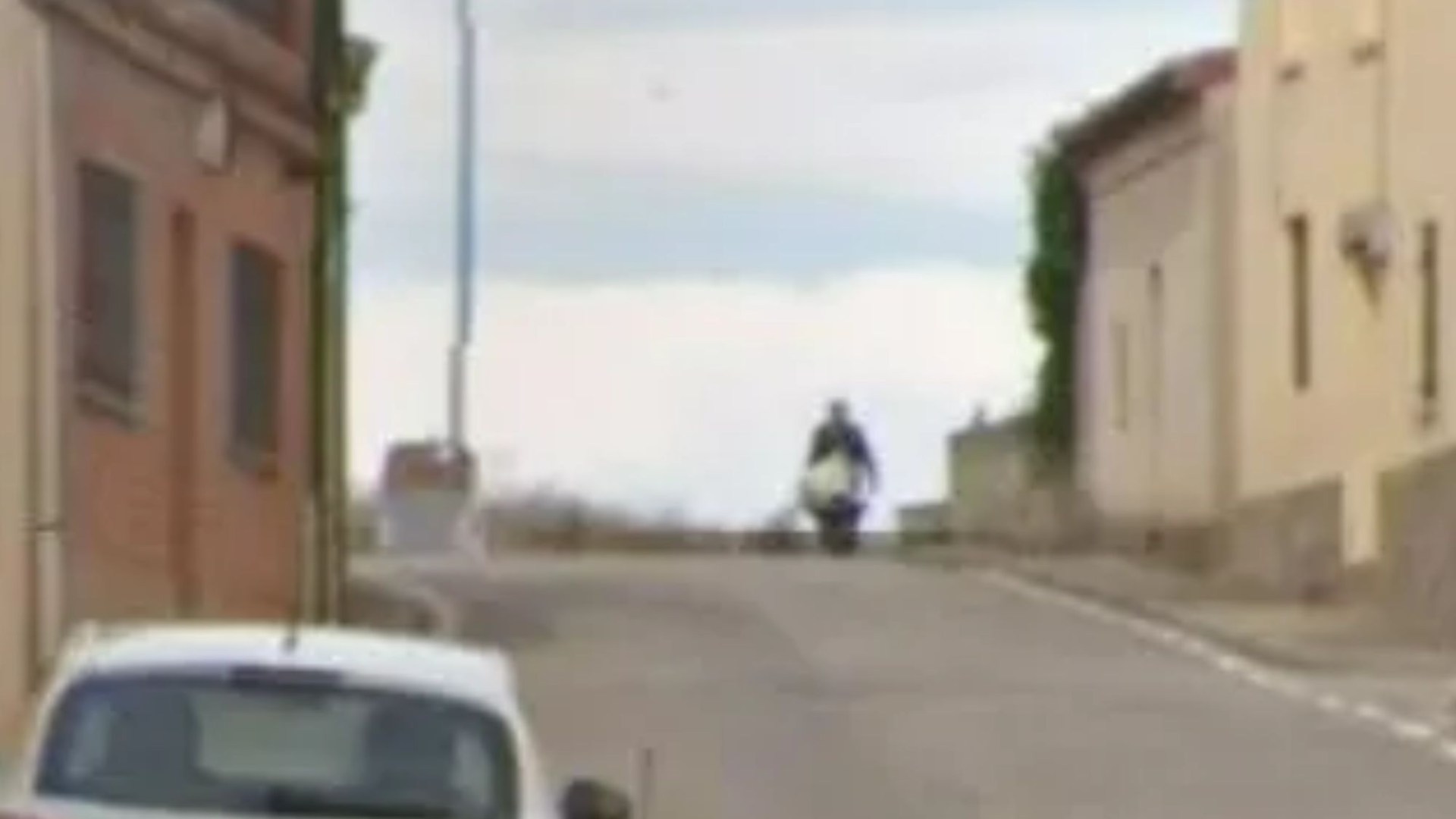
The Google Street View images, taken in the sparsely populated village of Tayueco, depicted a sequence of events that raised immediate suspicion. One image showed an individual, dressed in distinctive clothing, pushing a wheelbarrow containing a suspicious-looking object down a deserted road. Another image captured the same individual, similarly attired, standing by a red car with its trunk open, appearing to place the contents of the wheelbarrow into the vehicle. The “body-shaped package” was seemingly wrapped in white plastic. The eerie resemblance of the figure in both images linked the two events, suggesting the possible transportation of a deceased individual.
These online images served as a crucial piece of the puzzle for Spanish police, who had been investigating JLPO’s disappearance since a concerned relative reported his absence. The relative had grown increasingly suspicious of messages purportedly sent by JLPO, claiming he had met a new woman and was leaving the area, discarding his phone in the process. The content of the messages seemed inconsistent with JLPO’s character, raising red flags and prompting the relative to contact authorities. This initial report set in motion a chain of events that ultimately led to the discovery of JLPO’s remains.
The investigation, guided by the Google Street View images and the suspicious messages, quickly focused on JLPO’s wife and her new partner. Wiretaps authorized by the court subsequently revealed incriminating conversations between the two suspects, strengthening the suspicion of their involvement in JLPO’s disappearance. Police then executed search warrants on their homes and vehicles, uncovering further evidence linking them to the crime. The discovery of the Google Street View images corroborated the emerging narrative and provided critical visual evidence for the investigators.
The investigation culminated in the arrest of JLPO’s wife and her partner, a local bar owner nicknamed “The Wolf of Tayueco,” on suspicion of unlawful detention. However, the discovery of human remains buried in a nearby cemetery on December 11, shortly after the arrests, dramatically escalated the charges to murder. Although the remains were yet to be formally identified, authorities strongly believed they belonged to JLPO, tragically confirming the suspicions fueled by the Google Street View images and the subsequent investigation.
This chilling case highlights the unexpected role technology can play in criminal investigations. The readily available images from Google Street View provided critical clues, leading investigators down a path that might have otherwise remained obscured. While the images alone did not solve the case, they were instrumental in focusing the investigation and ultimately bringing the alleged perpetrators to justice. This incident echoes other instances where online mapping services have inadvertently captured criminal activity, demonstrating the powerful and often unforeseen impact of these technologies in the realm of law enforcement. The use of such digital evidence underscored the innovative methods employed by modern investigators to solve complex crimes and bring closure to grieving families.