


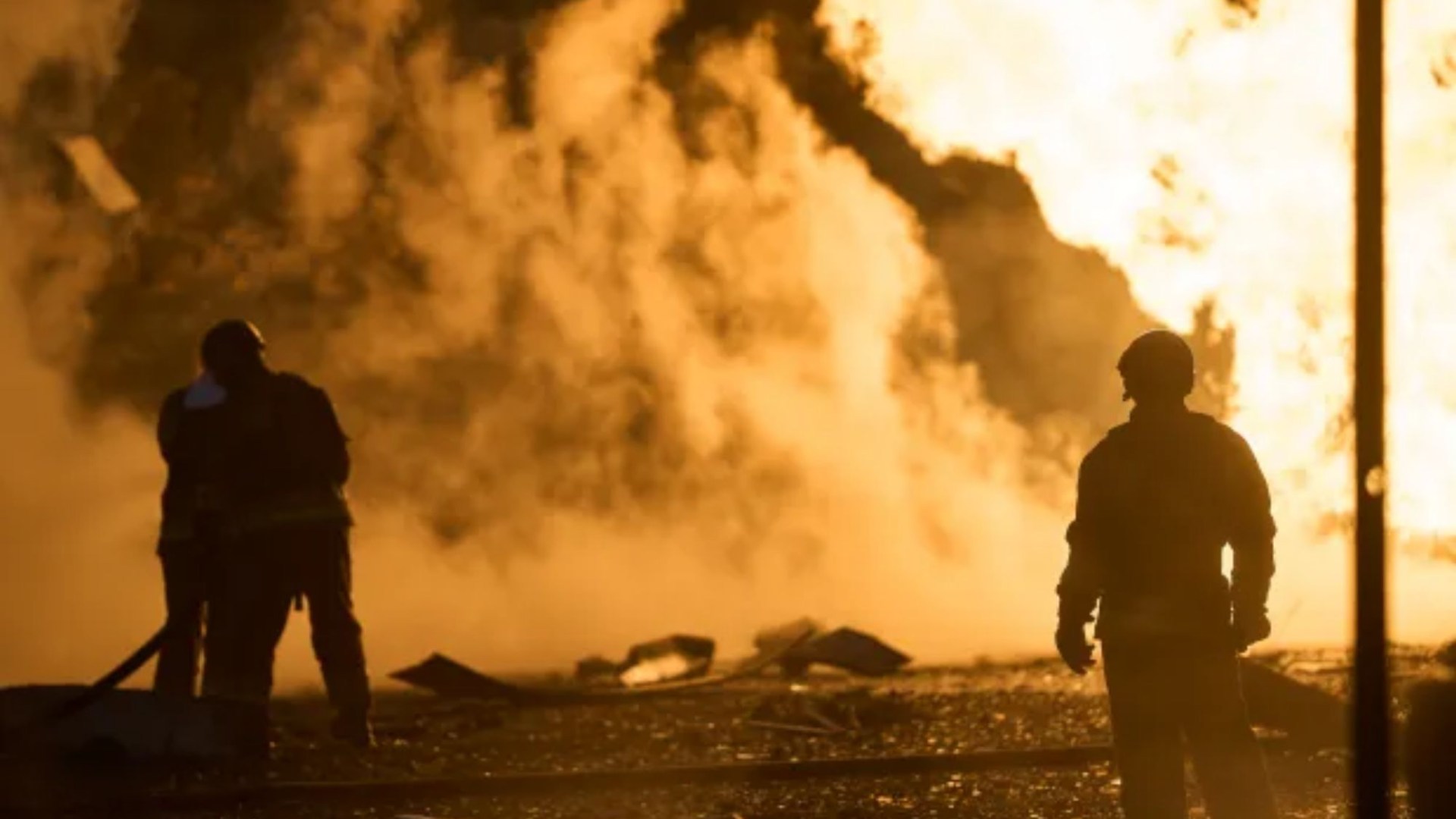
The ongoing conflict between Russia and Ukraine has reached a grim milestone, with Russia reportedly suffering its highest single-day casualty count since the war began. Estimates indicate over 2,200 Russian troops were lost in a recent 24-hour period, pushing the total Russian casualties to a staggering figure exceeding 770,000. This surpasses the previous high of 2,000 casualties recorded in late November and underscores the escalating intensity of the conflict. Adding to the complexity of the situation is the confirmed presence of North Korean troops fighting alongside Russian forces. This development highlights the increasing internationalization of the conflict and raises concerns about the potential for further escalation.
The involvement of North Korean soldiers has also resulted in significant casualties for Pyongyang’s forces. While exact figures vary, US intelligence estimates “several hundred” North Korean casualties, ranging from minor injuries to fatalities. The deployment of North Korean troops has been met with criticism, with some accusing Russia of utilizing them as cannon fodder in the brutal conflict. The integration of these troops into the Russian ranks also presents logistical and communication challenges, potentially impacting battlefield coordination and effectiveness.
Evidence of North Korean involvement and the devastating losses suffered by both Russian and North Korean forces has emerged through various channels. Drone footage released by Ukrainian military sources purports to show North Korean soldiers engaged in combat, as well as the grim aftermath of battles, with rows of bodies identified as both Russian and North Korean troops. These images, while shocking, provide visual confirmation of the claims made by Ukrainian and US intelligence regarding North Korea’s participation and the heavy toll on both sides. The authenticity of this footage continues to be verified, but it nonetheless paints a stark picture of the brutal realities on the ground.
The videos provide glimpses into the tactics reportedly employed by North Korean troops, described as a mix of “weakness and bravery” and reliant on their physical fitness. Comparisons have been drawn to tactics used during the Korean War, suggesting a reliance on outdated strategies that may not be effective against modern military technology and tactics. These observations highlight the potential mismatch between the North Korean troops’ training and equipment and the realities of the current conflict.
The presence of North Korean troops and the escalating casualties represent a significant turning point in the war. The Kremlin’s reliance on foreign fighters underscores the potential strain on its own military resources and the lengths to which it is willing to go to maintain its offensive. Furthermore, the high casualty rate among North Korean soldiers raises ethical questions about their deployment and the potential consequences for North Korea’s domestic situation. The escalating human cost of the conflict continues to generate international concern and fuels the ongoing debate about the effectiveness of sanctions and the need for a negotiated settlement.
The continuing conflict raises serious concerns about regional stability and the potential for further escalation. The involvement of North Korean troops adds another layer of complexity to an already volatile situation, highlighting the internationalization of the conflict and the potential for wider geopolitical repercussions. The high casualties on both sides underscore the urgent need for a diplomatic solution to end the bloodshed and prevent further destabilization in the region. The international community faces the challenge of finding a path to peace while addressing the underlying causes of the conflict and ensuring the long-term security and stability of the region.