



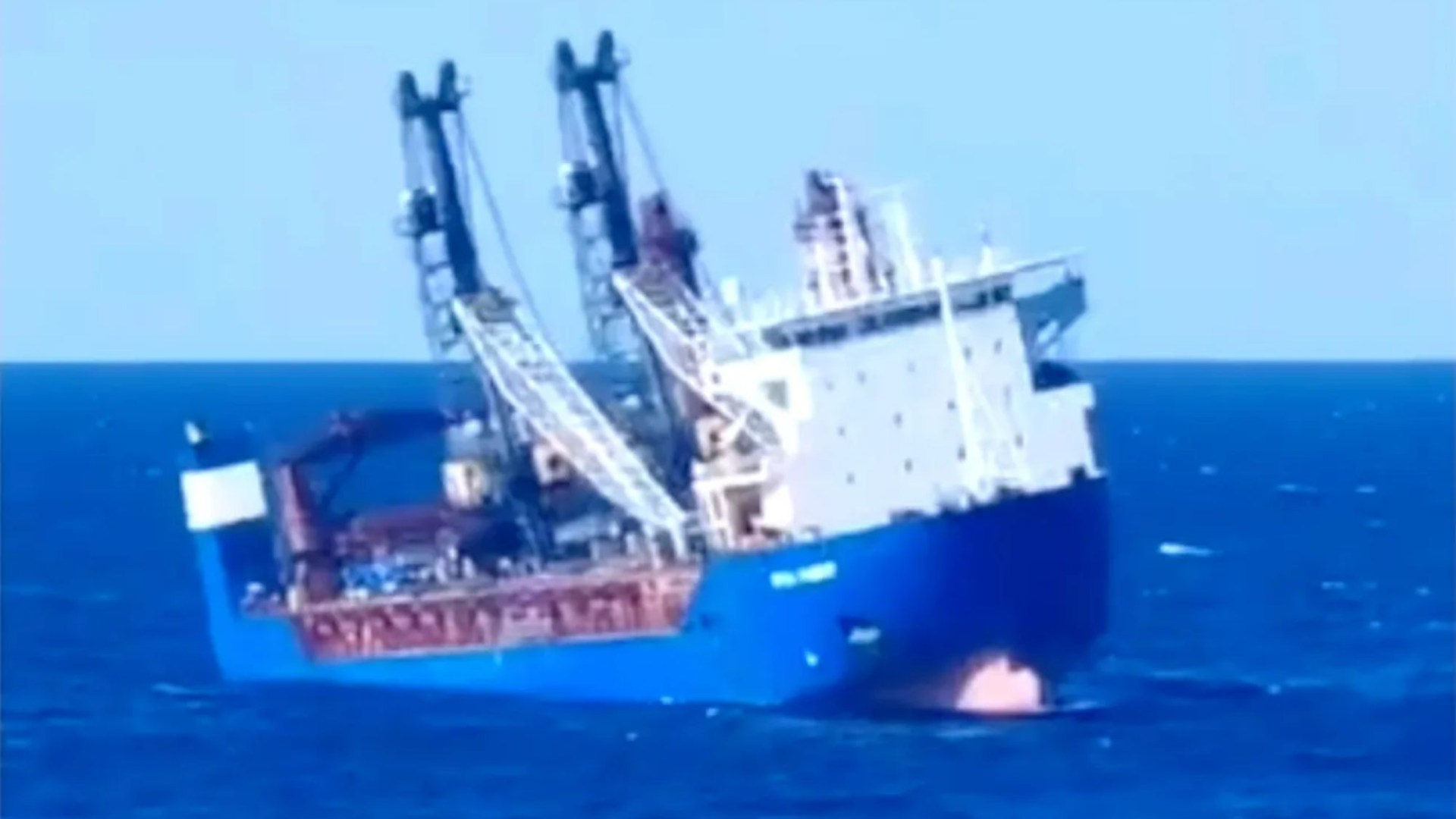
The sinking of the Russian cargo ship Ursa Major off the coast of Spain has sparked intrigue and speculation due to conflicting narratives surrounding its mission and cargo. While Russian authorities claim the vessel was en route to Vladivostok carrying heavy cranes for the construction of a nuclear icebreaker, Ukrainian intelligence sources suggest a more clandestine purpose – the transportation of military equipment from Syria. The Ursa Major, having departed St. Petersburg twelve days prior, traversed the North Sea and English Channel before entering the Mediterranean via Gibraltar. Its intended destination, according to the official Russian account, was Vladivostok, a journey that would have entailed passage through the Suez Canal. However, the ship’s reported course and the Ukrainian intelligence assessment point towards a potential stop at Tartus, Syria, the location of a Russian naval base. This discrepancy fuels suspicions that the Ursa Major’s mission was linked to the ongoing withdrawal of Russian military assets from Syria, potentially transporting equipment back to Russia.
The incident itself unfolded dramatically. An explosion in the engine room crippled the vessel, causing it to list heavily before sinking between Spain and Algeria. Fourteen of the sixteen crew members were rescued and taken to the Spanish port of Cartagena, while two remain missing. The rescue operation involved assistance from a Russian Navy ship, highlighting the significance of the incident for Russian authorities. Adding to the mystery is the conflicting information regarding the cargo. While the official Russian statement mentions heavy cranes and containers used as ballast, the ship’s captain claimed the containers were empty at the time of the accident. This discrepancy further fuels suspicion surrounding the true nature of the Ursa Major’s mission.
The conflicting narratives surrounding the Ursa Major incident raise several key questions. Was the ship truly transporting cranes for a nuclear icebreaker, or was it involved in a covert operation to retrieve military equipment from Syria? The Ukrainian intelligence assertion of weapons transport, if true, would suggest a deliberate effort to conceal the true nature of the cargo. The involvement of a Russian Navy vessel in the rescue operation also raises questions about the level of importance Moscow placed on the Ursa Major and its cargo. The incident underscores the challenges in verifying information in an era of geopolitical tensions and information warfare. Determining the true purpose of the Ursa Major’s voyage requires further investigation and the corroboration of evidence from multiple sources.
The incident also highlights the strategic importance of the Mediterranean and the ongoing implications of the Syrian conflict. The Mediterranean serves as a crucial transit route for both commercial and military vessels, and the presence of Russian naval assets in the region underscores Moscow’s continued strategic interests in the area. The alleged withdrawal of military equipment from Syria, if confirmed, could indicate a shift in Russia’s strategy in the region or a response to changing geopolitical dynamics. The Ursa Major incident also serves as a reminder of the risks associated with maritime transport, particularly in areas with complex geopolitical landscapes.
The sinking of the Ursa Major also raises questions about the transparency and accountability of Russian maritime operations. The conflicting accounts provided by Russian authorities and the ship’s captain create an atmosphere of suspicion and underscore the need for independent investigations into such incidents. The incident may further strain relations between Russia and other countries, particularly those concerned about Russian military activities in the Mediterranean region. The lack of clarity surrounding the Ursa Major’s mission and cargo underscores the importance of international cooperation in maritime safety and security.
In conclusion, the sinking of the Ursa Major presents a complex puzzle with significant geopolitical implications. The conflicting narratives, the mystery surrounding the cargo, and the timing of the incident amidst ongoing tensions in the region warrant further investigation. The incident serves as a reminder of the challenges in verifying information and the need for greater transparency in maritime operations. The Ursa Major incident highlights the strategic importance of the Mediterranean, the ongoing complexities of the Syrian conflict, and the challenges of maintaining maritime security in an era of heightened geopolitical tensions.