


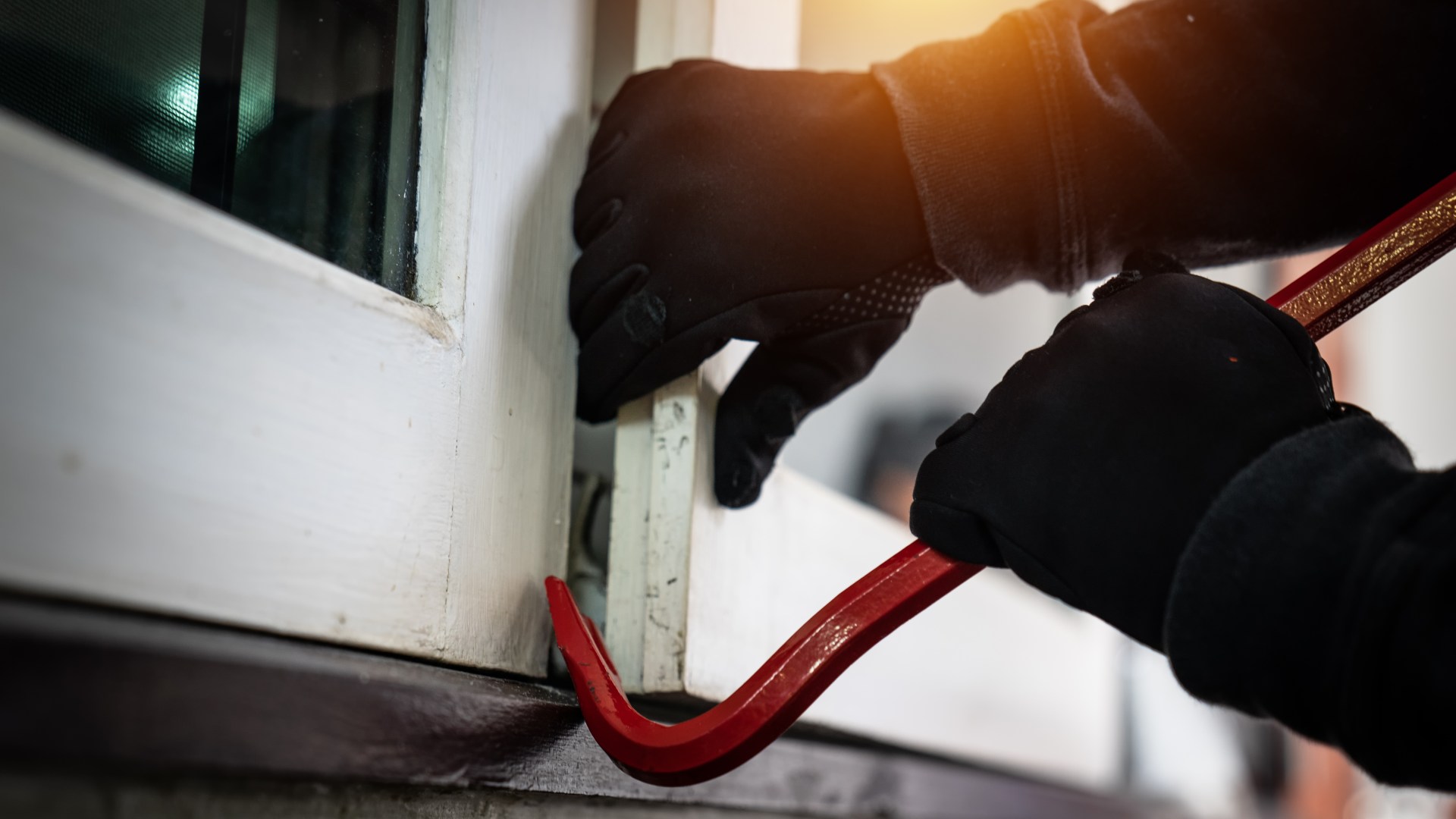
A recent Savanta survey has revealed a deeply concerning erosion of public trust in law enforcement, with nearly half of the British public expressing skepticism that police would investigate a burglary at their home. Only 50% of respondents believed officers would respond to a burglary report, while a significant 46% held the opposite view. This lack of faith is particularly pronounced among older individuals, with 54% doubting police responsiveness. The survey also highlighted broader concerns about police engagement, with 49% expressing doubt about police response to car theft and a startling 41% believing a street assault would go uninvestigated. This declining trust signifies a potential crisis in public safety perception, where citizens are increasingly questioning the efficacy and reliability of law enforcement.
The survey’s findings extend beyond property crimes, revealing a pervasive sense of disillusionment with police responsiveness across various offenses. The belief that police would fail to investigate a street assault, held by 41% of respondents, highlights a growing concern about personal safety and the perceived inability of law enforcement to protect citizens from violent crime. This lack of confidence is further underscored by the fact that 8% of respondents reported needing to call emergency services (999) in the past two years but ultimately choosing not to, with a quarter of these individuals citing anticipated delays in police arrival as their primary reason. This hesitancy to contact emergency services underscores a critical breakdown in the fundamental relationship between the public and law enforcement, signaling a potential for underreporting of crimes and a decreased sense of security within communities.
This decline in public confidence is further corroborated by alarming statistics on unsolved crimes. Home Office figures reveal that police abandoned four unsolved crimes every minute last year, failing to identify a suspect in over half of robberies, six in ten criminal damage and arson cases, and a staggering seven in ten thefts and burglaries. In the first half of 2024 alone, over 2.2 million criminal investigations were closed without identifying a culprit, representing 41.3% of all cases and an average of 4.2 crimes per minute. This pervasive lack of resolution in criminal investigations not only fuels public distrust but also potentially emboldens criminals, creating a cycle of escalating crime and diminishing public safety.
The survey results and the accompanying crime statistics paint a bleak picture of a police force struggling to maintain public trust and effectively address crime. This crisis of confidence has prompted calls for urgent action to restore public faith in law enforcement. Lisa Smart, the Liberal Democrat Home Affairs spokeswoman, described the findings as “scandalous” but acknowledged that they were not entirely surprising given the persistently high rates of unsolved crimes. She emphasized the public’s right to feel confident that police will respond effectively to reported crimes and called upon the government to prioritize restoring trust in policing.
Smart advocates for a return to “proper community policing,” emphasizing the importance of increased police presence on the streets. This approach suggests a need to shift away from reactive policing, where officers primarily respond to incidents after they occur, and toward a more proactive model that emphasizes community engagement, crime prevention, and building trust between officers and the communities they serve. By increasing police visibility within communities, the aim is to deter criminal activity, foster stronger relationships between law enforcement and citizens, and improve response times to reported crimes, ultimately enhancing public safety and restoring confidence in the police.
The confluence of declining public trust, soaring unsolved crime rates, and calls for reform indicates a pressing need for a comprehensive reevaluation of policing strategies. Restoring public confidence requires a multi-faceted approach that not only addresses the immediate concerns highlighted by the survey but also tackles the underlying systemic issues contributing to the current crisis. This necessitates not only increased police presence but also improved investigative capabilities, enhanced community engagement, and a renewed focus on building trust between law enforcement and the public. Failure to address this crisis of confidence risks further eroding public safety and undermining the effectiveness of the criminal justice system as a whole.