


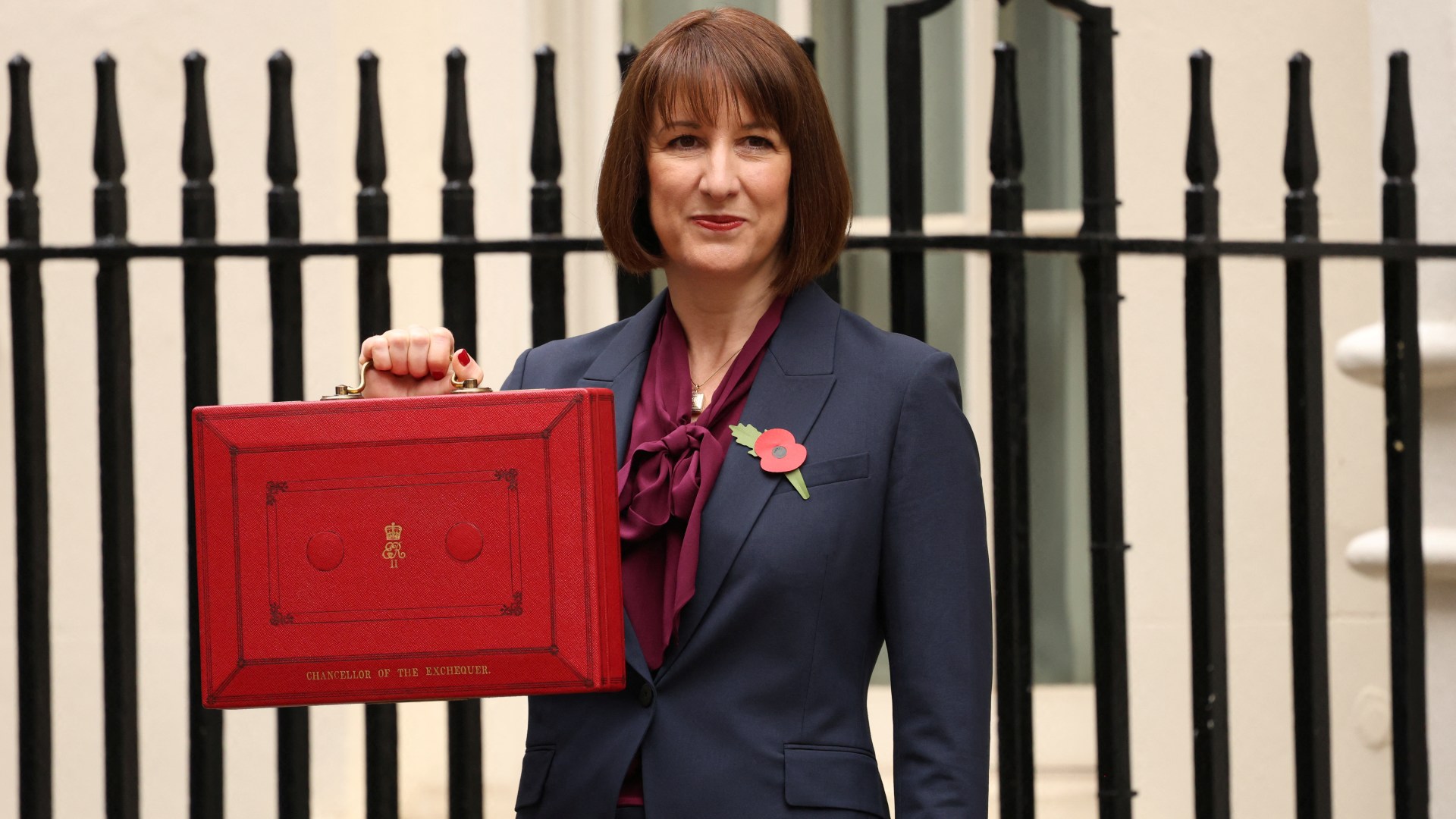
The UK’s recent economic performance has sparked a heated debate, with critics pointing fingers at the Labour government. Following a period of G7-leading growth under Rishi Sunak in the first half of 2024, the economy has contracted for two consecutive months under Labour’s leadership. Opponents argue that the government’s pessimistic rhetoric, emphasizing a supposed “£22 billion black hole” and criticizing the previous administration, has spooked investors and stifled business confidence. The introduction of tax increases, including a hike in National Insurance contributions, is further blamed for exacerbating the economic downturn, potentially foreshadowing further declines in upcoming economic data. While Chancellor Rachel Reeves insists that her policies are laying the groundwork for robust long-term growth, the Office for Budget Responsibility (OBR) offers a more cautious outlook, raising concerns about the government’s economic strategy.
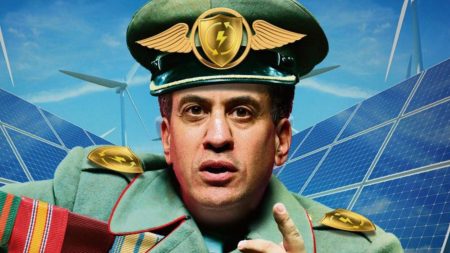
The debate extends beyond immediate economic policy to encompass foreign policy decisions with long-term ramifications. Critics argue that Ed Miliband’s role in blocking UK involvement in the 2013 Syria intervention emboldened Syrian President Assad and his ally, Vladimir Putin, ultimately contributing to the invasion of Crimea and potentially even the subsequent war in Ukraine. This critique highlights the potential consequences of political maneuvering on the international stage, suggesting that perceived weakness can invite aggression. Miliband’s current stance on Net Zero policies is also under scrutiny, with some fearing that his approach could negatively impact the UK’s energy security, mirroring the potential harm caused by his earlier foreign policy decisions.
The tragic case of Sara Sharif has further ignited public discourse, raising serious questions about the family court system and the protection of vulnerable children. A court decision in 2019 granted custody of Sara to her father and stepmother despite knowledge of the father’s history of abuse. This decision, which tragically preceded Sara’s death, has led to calls for accountability. The anonymity granted to the judge and social workers involved has fueled public outrage, with many demanding transparency and consequences for those whose decisions may have contributed to Sara’s fate. The case underscores the critical need for robust safeguards within the family court system to protect children from harm.
Beyond the economic and political debates, questions surrounding Prince Andrew’s financial affairs continue to draw attention. Despite being cut off financially by King Charles following the Epstein scandal, Prince Andrew reportedly maintains a lavish lifestyle at the Royal Lodge, prompting speculation about the source of his income. The association of his top business advisor with alleged Chinese espionage, coupled with reports of clandestine activities at his residence, raises concerns about potential conflicts of interest and national security implications. The lack of transparency surrounding Prince Andrew’s finances and associations fuels public suspicion and demands for greater accountability.
The confluence of these issues – economic uncertainty, controversial foreign policy decisions, systemic failures in child protection, and questions surrounding royal conduct – paints a complex picture of the challenges facing the UK. The ongoing debates highlight the need for transparent governance, effective policy-making, and a commitment to safeguarding the well-being of citizens, both at home and abroad. The consequences of political maneuvering, economic missteps, and failures within the justice system underscore the importance of holding those in power accountable and ensuring that decisions are made in the best interests of the nation and its people.
The intersection of these diverse challenges presents a significant test for the current government. The economic downturn, coupled with lingering questions surrounding foreign policy decisions and failures within the child protection system, demands decisive action and a renewed focus on the needs of the public. The controversy surrounding Prince Andrew’s finances further underscores the need for transparency and accountability within the royal family. Addressing these multifaceted issues effectively will be crucial for restoring public trust and ensuring the long-term stability and well-being of the nation.