


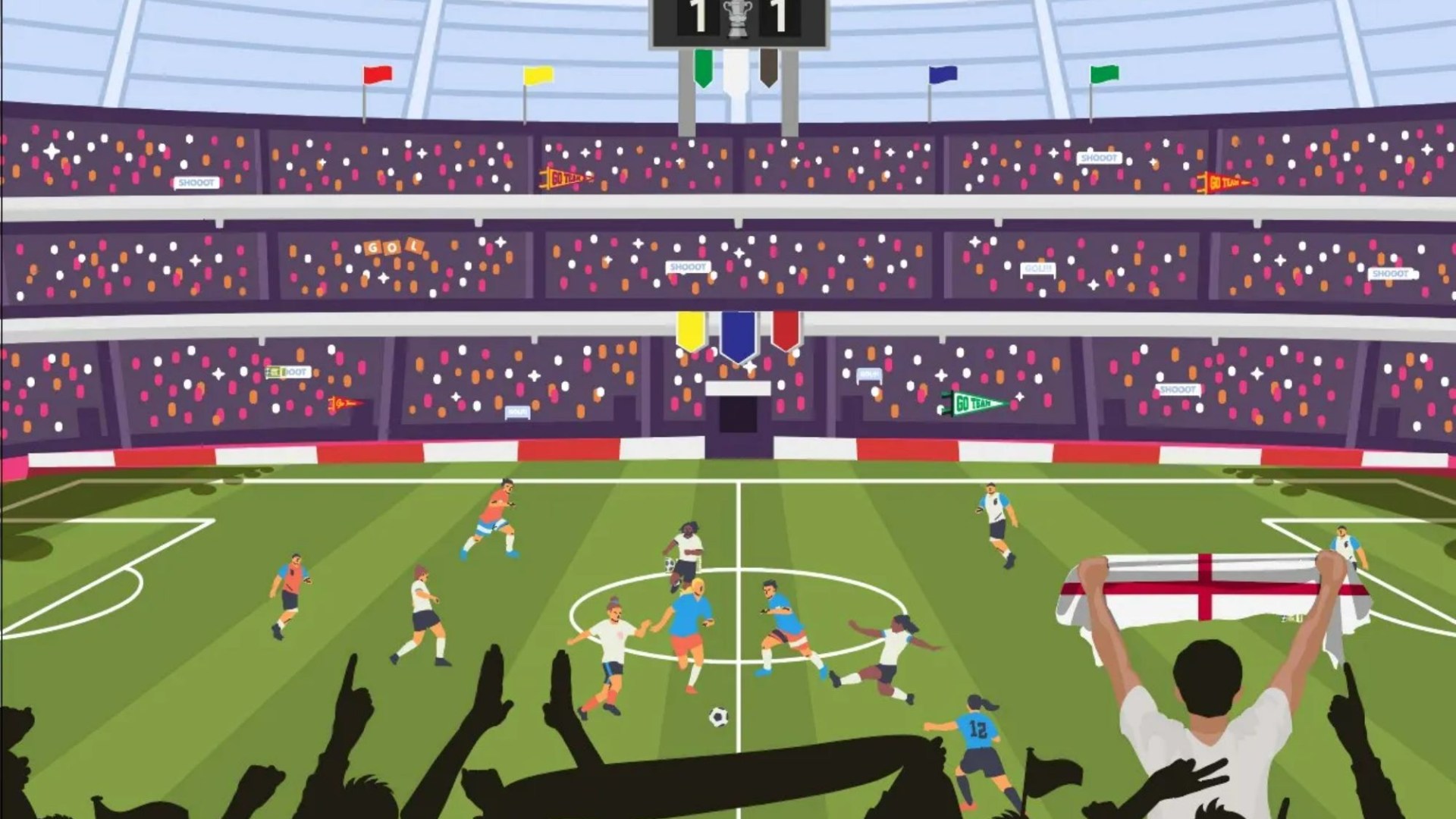
This article presents a visual brainteaser challenging readers to find five hidden match tickets within a bustling stadium image in under nine seconds. It frames the puzzle as a test of 20/20 vision and observational skills, suggesting that only a few individuals possess the acuity to solve it within the allotted time. The article then delves into the cognitive benefits of engaging with optical illusions and brainteasers.
Optical illusions, the article explains, are visual tricks designed to challenge our perception of reality. They exploit the discrepancies between what our eyes capture and how our brains interpret the information. Our brains, constantly striving for efficiency, take shortcuts in processing visual data, leading to misinterpretations of size, shape, and movement. These shortcuts, while useful for quick reactions in potentially dangerous situations, can be exposed by optical illusions. The article emphasizes that what we see is not a direct representation of the world but rather our brain’s interpretation of light reflected off objects.
The article argues that regularly engaging with optical illusions and brainteasers offers several cognitive advantages. These include improved cognitive stimulation, enhanced problem-solving skills, better memory function, increased creativity, and improved focus and attention. Furthermore, the enjoyment derived from solving these puzzles can offer stress relief. The article connects these benefits to the brain’s constant effort to make sense of the world, suggesting that puzzles like these provide a valuable mental workout.
Following this explanation, the article returns to the initial brainteaser, encouraging readers to attempt it again before revealing the solution. It provides a hint, directing attention to the scoreboard area of the image. The text then praises those who solved the puzzle within the time limit, proclaiming them geniuses with perfect vision. For those who found the initial challenge too easy, the article offers additional optical illusions, including finding a hidden butterfly in a vintage scene and a monkey concealed within a zoo image. These additional puzzles are presented as further opportunities to test observational skills and enjoy the cognitive benefits discussed earlier.
The article concludes by showcasing several other optical illusions, including identifying a four-leaf clover among playing cards, determining the correct number of legs on an image of an elephant, and locating a snake hidden near a cowboy. Each of these secondary puzzles is accompanied by an image and a subsequent reveal of the solution. The provision of multiple brainteasers reinforces the article’s core message about the value of engaging with such visual challenges for cognitive enhancement.
The presentation of these puzzles, along with the emphasis on speed and the labeling of successful solvers as “geniuses,” creates a sense of challenge and encourages reader participation. The underlying message throughout the article is that challenging one’s perception through optical illusions can be both entertaining and beneficial for cognitive function. By framing the puzzles as tests of visual acuity and intelligence, the article motivates readers to engage with them and experience the purported cognitive benefits firsthand.