


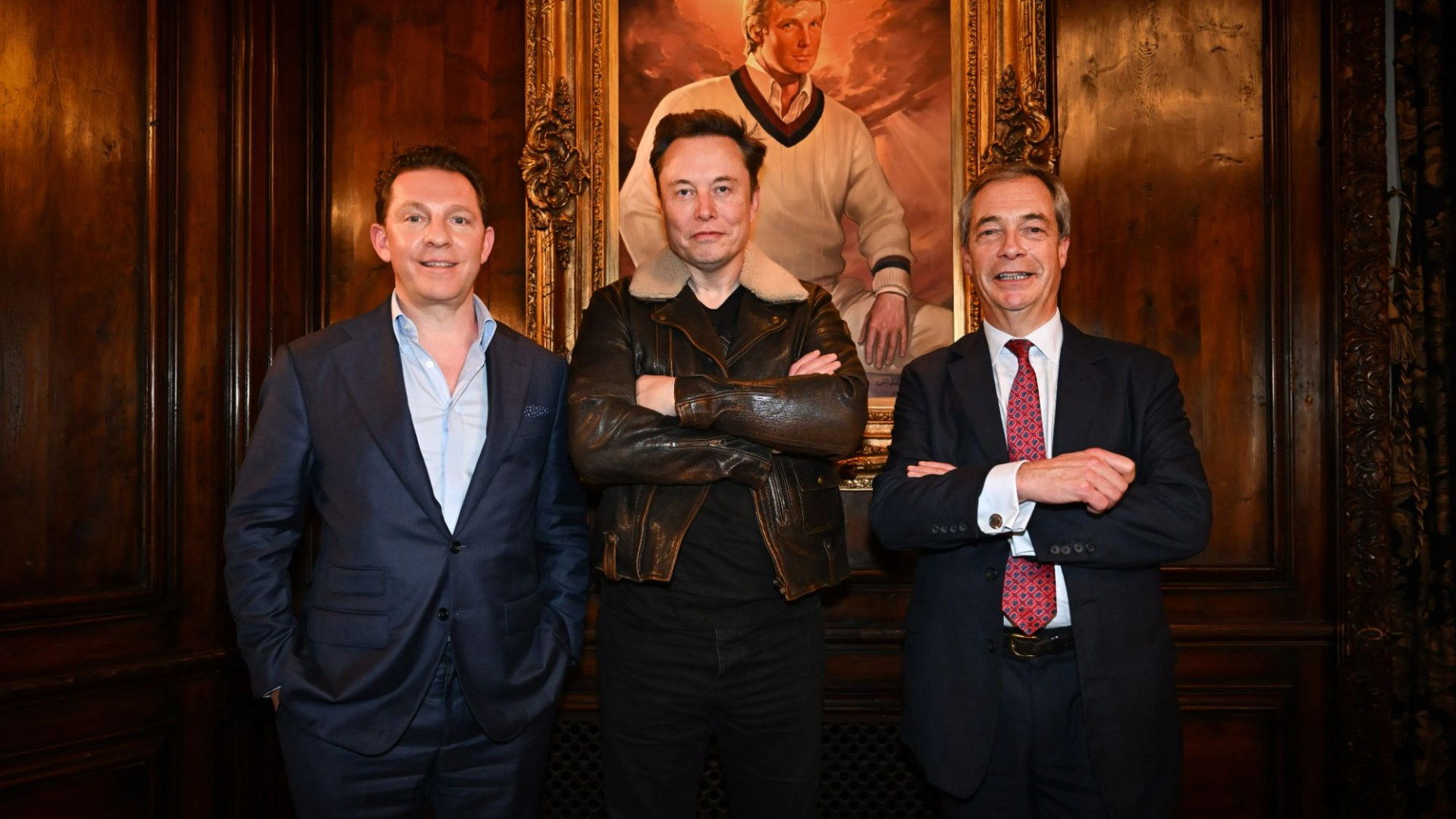
Elon Musk’s foray into British politics has taken a significant turn with his expressed support for Nigel Farage’s Reform UK party, sparking discussions of a potential £78 million donation. This development follows a meeting in Florida between Musk, Farage, and Reform UK treasurer Nick Candy at Donald Trump’s Mar-a-Lago residence. The meeting, described by Farage as “historic,” revolved around shared concerns about the state of UK politics and the potential for collaboration. Musk’s purported readiness to inject substantial financial resources into Reform UK underscores his growing interest in shaping political landscapes beyond his native United States and his native South Africa. His characterization of the Labour and Conservative parties as a “uniparty,” echoing a sentiment common among populist movements, suggests an alignment with Reform UK’s disruptive political agenda.
The potential £78 million donation, while still subject to ongoing negotiations, represents a game-changing sum for Reform UK. Such an influx of capital could significantly bolster the party’s campaigning capabilities, media presence, and organizational infrastructure, potentially transforming it into a major political force. This financial backing could enable Reform UK to broaden its reach to a wider electorate, amplify its messaging, and mount more effective challenges to established parties. The involvement of a globally recognized figure like Musk also lends a certain degree of legitimacy and attention to Reform UK, potentially attracting new supporters and generating further media coverage. However, it could also alienate potential voters wary of foreign influence in British politics.
The meeting at Mar-a-Lago adds another layer of intrigue to this developing political alliance. The choice of venue, a symbolic hub for Trump’s political movement, suggests a shared ideological ground between Musk, Farage, and Trump, potentially centering on nationalist sentiments and a distrust of established political elites. Farage’s statement about learning from the “Trump ground game” indicates a strategic interest in replicating the populist mobilization tactics that propelled Trump to the presidency. This suggests that Reform UK might adopt similar strategies focusing on direct voter engagement, social media campaigning, and rallies to cultivate a grassroots movement.
The convergence of these figures further highlights the increasing interconnectedness of global politics and the growing influence of wealthy individuals in shaping political narratives and outcomes. Musk’s potential involvement in British politics follows a pattern of high-profile interventions in other countries, including vocal commentary on the war in Ukraine and the Canadian trucker protests. This activism is indicative of a broader trend of billionaires leveraging their financial power to advance specific political agendas, raising questions about the implications for democratic processes and the potential for undue influence.
The discussion surrounding the potential donation also raises legal and ethical considerations. While Candy has asserted Musk’s legal right to donate through his UK-registered companies, the sheer scale of the potential contribution invites scrutiny regarding transparency and potential conflicts of interest. Critics may argue that such a large donation could disproportionately influence policy decisions if Reform UK gains political power. Furthermore, the potential for foreign interference in domestic elections raises concerns about national sovereignty and the integrity of the democratic process. It remains to be seen how regulatory bodies and the public will react to this unprecedented level of financial involvement from a foreign billionaire.
The unfolding alliance between Elon Musk and Nigel Farage represents a significant development in British politics. The potential injection of substantial financial resources, coupled with the strategic exchange of ideas and campaigning tactics, could significantly reshape the political landscape. However, this development also raises crucial questions about the role of wealth in politics, the potential for foreign influence, and the ethical implications of such a powerful partnership. The coming months will undoubtedly reveal the extent of Musk’s involvement and the impact it has on Reform UK’s trajectory and the broader political discourse in the United Kingdom.