


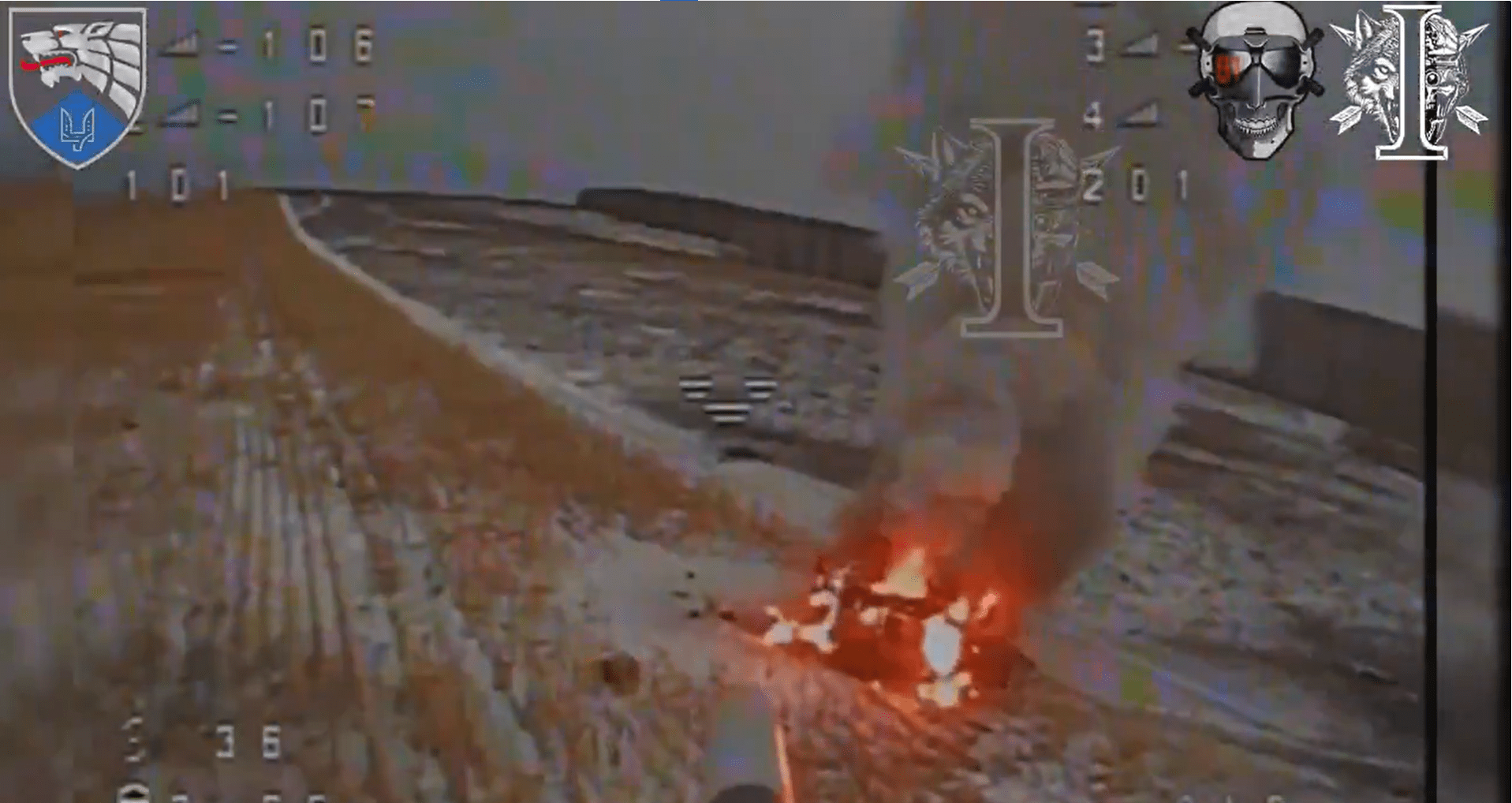
The ongoing conflict in Ukraine has taken a new, unsettling turn with the confirmed presence and substantial casualties of North Korean troops fighting alongside Russian forces. Chilling POV footage released by Ukrainian forces depicts kamikaze drones targeting North Korean soldiers in open fields near Kursk, forcing them to desperately seek cover. The drones circle overhead, delivering devastating blows as the soldiers scatter. The video, shared on Telegram by Ukraine’s Special Operation Forces, visually confirms the reports of North Korean involvement and the heavy losses they are sustaining. This footage underscores the escalating internationalization of the conflict and the potential for further instability.
Ukrainian sources report significant casualties among the North Korean contingent. Estimates suggest that 77 North Korean soldiers were killed and up to 40 were wounded in just three days of fighting in the Kursk region. Twelve vehicles were also reportedly destroyed. President Zelensky corroborated these reports, stating that over 3,000 North Korean soldiers have been killed or wounded in the area. He warned of the destabilizing effects of growing Russo-North Korean cooperation, particularly for the Korean Peninsula. The transfer of military technology and experience from Russia to North Korea represents a global threat, Zelensky emphasized, calling for international action to prevent further escalation.
Independent assessments support the claims of heavy North Korean casualties. South Korea’s Joint Chiefs of Staff (JCS) estimate that over 1,100 North Korean soldiers have been killed or wounded in the fighting, a figure significantly higher than previous estimates. This updated information highlights the intensity of the battles and the precarious position of the North Korean troops deployed to the front lines. The JCS also expressed concern about potential further deployments of North Korean soldiers, indicating that Pyongyang is preparing for rotations or additional troop movements to bolster Russian forces.
Beyond the deployment of manpower, intelligence suggests that North Korea is providing material support to Russia, including self-destructing drones, 240mm rocket launchers, and 170mm self-propelled artillery. This supply line further deepens the military cooperation between the two nations and provides Russia with additional resources to prosecute the war. The provision of such weaponry raises concerns about the proliferation of potentially destabilizing military technology and the expansion of the conflict beyond Ukraine’s borders.
The presence of North Korean troops on the front lines was initially reported in October, but recent evidence, including the drone footage and intercepted communications, provides undeniable confirmation. Leaked audio recordings of conversations between a Russian nurse and her husband, allegedly intercepted by Ukrainian intelligence, paint a grim picture of overcrowded hospitals in Moscow overflowing with wounded North Korean soldiers. The nurse’s complaints highlight the strain on the Russian medical system, the language barrier issues hindering treatment, and the growing resentment among Russian personnel due to the influx of North Korean casualties. Further reports indicate that communication difficulties between the North Korean and Russian troops have led to fatal friendly fire incidents.
The evolving situation in Kursk, with North Korean troops engaged in direct combat alongside Russian forces, adds another layer of complexity to the already multifaceted conflict in Ukraine. The mounting casualties among the North Korean contingent, the reported provision of military hardware, and the logistical challenges faced by the Russian military all point to the significant implications of this burgeoning alliance. The international community faces the challenge of addressing this new dynamic and mitigating the risks of further escalation and regional instability. The continued flow of information, including the chilling drone footage and intercepted communications, provides a crucial window into the evolving realities on the ground and the human cost of this deepening conflict.