


The Downfall of the Assad Dynasty and the Flight to Moscow
Bashar al-Assad, the Syrian dictator, faced a dramatic and humiliating downfall as rebel forces swiftly overthrew his regime in a lightning offensive. Just hours before the rebels captured his palace, Assad, along with a substantial sum of money, reportedly escaped to Russia. This flight marked the end of the Assad dynasty’s 54-year reign over Syria, a period marked by authoritarianism, repression, and ultimately, a devastating civil war. The final chapter of Assad’s rule was characterized by his reliance on Russian support, both military and financial, to maintain his grip on power.
In the years leading up to the regime’s collapse, Assad systematically transferred significant amounts of cash to Russia. Financial records indicate a series of flights between Damascus and Moscow between 2018 and 2019, carrying an estimated £200 million (approximately $250 million) in banknotes. This transfer of wealth occurred while Assad’s regime was heavily dependent on Russian military intervention, including airstrikes by Russian fighter jets and ground support from the Wagner mercenary group. These cash transfers served to solidify Assad’s ties with Russia and secure his family’s future in exile.
The funds, primarily in Euros and US dollars, were allegedly used by the Assad family to acquire luxury properties in Moscow, as well as to cover expenses related to food and continued military assistance. These transactions took place against a backdrop of severe economic sanctions imposed on Syria due to Assad’s brutal repression of his own people, including the use of chemical weapons. By 2018, Syria’s foreign reserves were reportedly nearly depleted, forcing Assad to rely on cash payments for essential imports like grain and for the services of the Wagner group. The transfer of such large sums of money to Russia raises questions about the financial transparency of the Assad regime and the extent of Russian involvement in propping up the Syrian government.
The rapid advance of the rebel forces caught Assad off guard. His escape to Russia was shrouded in secrecy, with even his closest advisors kept in the dark until the last moment. Assad maintained a façade of resistance, meeting with army chiefs just hours before fleeing, urging them to continue fighting with the promise of Russian support. His departure was a carefully orchestrated operation, leaving many in his inner circle bewildered and vulnerable. One of his cousins was reportedly killed in an ambush while attempting to flee Damascus, highlighting the chaotic and dangerous circumstances surrounding the regime’s collapse.
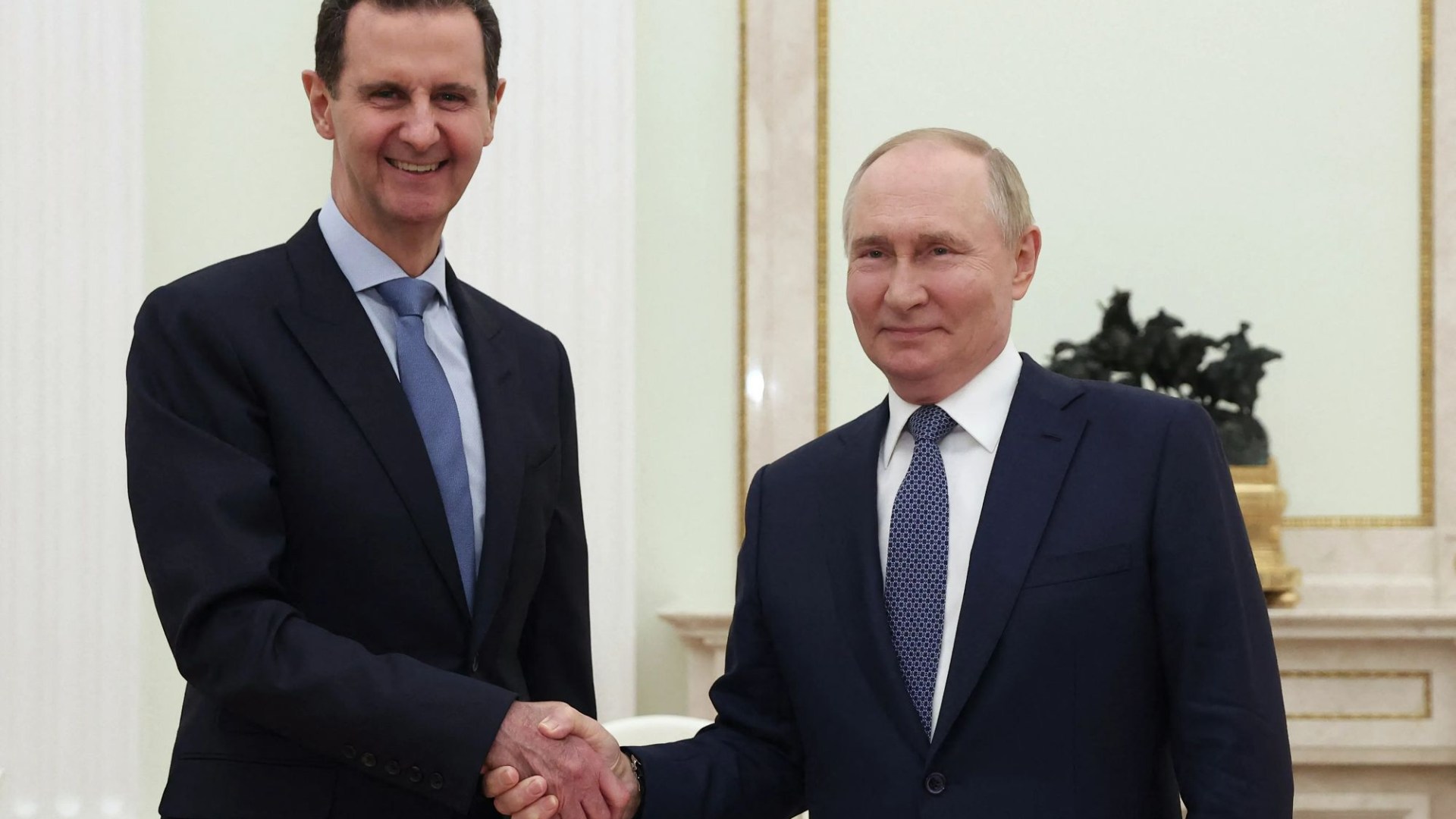
Upon his arrival in Russia, Assad and his family were granted political asylum by Vladimir Putin, solidifying the close relationship between the two leaders. The Assad family’s acquisition of numerous luxury apartments in Moscow, particularly in the prestigious City of Capitals complex, further demonstrates their financial security and the extent of their integration into Russian society. This refuge in Russia allowed Assad to escape accountability for his actions in Syria and maintain a life of privilege despite being ousted from power.
The fall of the Assad regime marked the culmination of a brutal and protracted civil war that began in 2011. Initially sparked by protests against Assad’s authoritarian rule, the conflict quickly escalated into a full-blown civil war, fueled by sectarian tensions and foreign intervention. Russia’s military intervention in 2015, providing air support and ground troops, played a crucial role in turning the tide of the war in Assad’s favor. However, despite this support, Assad’s regime ultimately proved incapable of withstanding the final rebel offensive.
The swift and decisive victory of the rebel forces triggered widespread celebrations across Syria. The toppling of statues of Assad and his father symbolized the end of an era and the hope for a new beginning. However, the future of Syria remains uncertain. Negotiations are ongoing regarding the fate of Russian military bases in the country, including the strategically important Khmeimim Air Base and Tartus naval base. Western powers are pressuring the new Syrian government to expel Russian forces as a condition for full international recognition. The outcome of these negotiations will significantly impact the geopolitical landscape of the region and the future stability of Syria.