
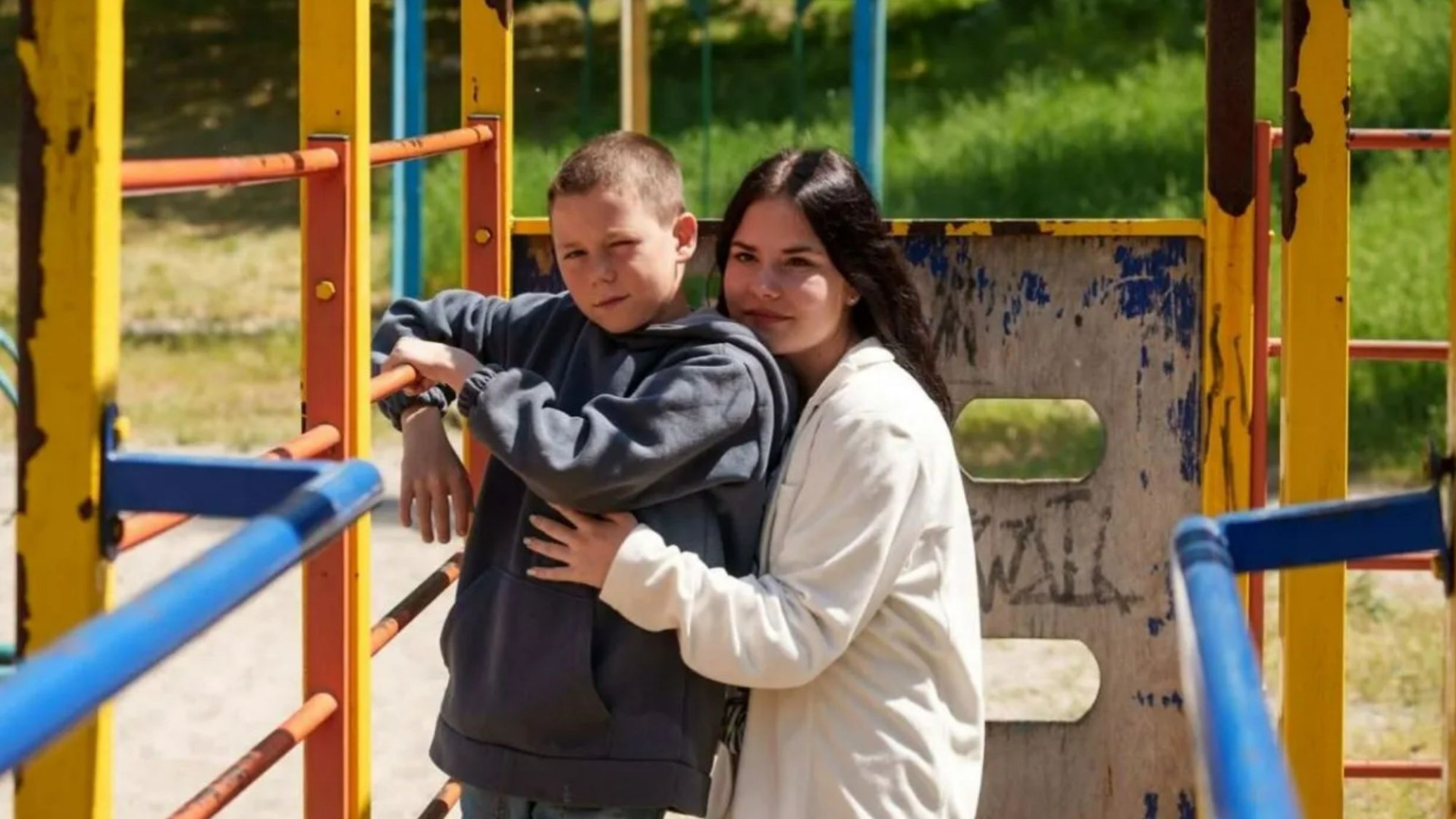
Ksenia Koldin, a young Ukrainian woman, embarked on a daring mission to rescue her younger brother, Serhii, from the clutches of Russia’s illegal adoption system. Separated amidst the chaos of the war, Ksenia was forced to attend a Russian school in occupied territory, while Serhii was sent to a “summer camp” in Russia, a euphemism for one of Putin’s indoctrination centers. Though initially promised a two-week stay, Serhii was kept for five weeks before being placed with a pro-Russian foster family, effectively cutting off contact with his sister. This forced separation fueled Ksenia’s determination to retrieve her brother, solidifying a promise to herself that she would not return to Ukraine without him.
Despite the immense risks and the daunting bureaucratic hurdles, Ksenia meticulously planned her clandestine operation. She understood the urgent need to act, knowing that Serhii was vulnerable to the psychological manipulation employed by the Russian state. The foster family, ardent supporters of the Russian regime, played a key role in this process, actively working to erase Serhii’s Ukrainian identity and instill pro-Russian sentiments. Ksenia obtained the necessary documents and legal counsel, preparing herself for the perilous journey into Russia. The challenges were multifaceted: navigating the complexities of crossing the border, locating her brother, and ultimately convincing him to return, all while concealing her Ukrainian identity to avoid suspicion and ensure her own safety.
Ksenia’s journey into Russia was fraught with danger and uncertainty. Every step was taken with caution, her Ukrainian identity carefully concealed. The fear of being discovered and trapped in Russia loomed large, yet her resolve to save her brother propelled her forward. The pro-Russian sentiment prevalent in the occupied territories and Russia itself, fueled by relentless propaganda, presented a constant threat. Ksenia’s experience highlighted the pervasiveness of this propaganda and the hostile environment it created for Ukrainians, particularly those who remained loyal to their country.
Upon reaching her brother, Ksenia faced the heartbreaking realization of the extent of the psychological manipulation he had endured. The pro-Russian foster family had effectively brainwashed Serhii, instilling in him a rejection of his Ukrainian heritage and a loyalty to Russia. He initially refused to leave, a testament to the effectiveness of the indoctrination he had been subjected to. This manipulation extended to offering bribes and rewards, further entrenching Serhii’s attachment to his new life. Ksenia’s persistence, combined with the support of organizations like Save Ukraine, ultimately proved crucial in persuading Serhii to return home.
The siblings’ journey back to Ukraine marked the beginning of their healing and reintegration. They found refuge at a Hope and Recovery center run by the Save Ukraine Foundation, a testament to the vital role such organizations play in supporting Ukrainian families torn apart by the war. Serhii was placed with a loving Ukrainian foster family, while Ksenia, now a university student pursuing a degree in TV journalism, gained the independence she craved. Despite the trauma they endured, the siblings found solace in their reunion, cherishing the opportunity to rebuild their lives and celebrate milestones like Christmas together.
Ksenia’s story is not an isolated incident. Thousands of Ukrainian children have been forcibly deported to Russia and subjected to similar brainwashing tactics. This systematic separation of families and the erasure of Ukrainian identity is a grave violation of international law, amounting to a war crime. The International Criminal Court has issued arrest warrants for Vladimir Putin and Maria Lvova-Belova, his commissioner for children’s rights, for their role in this scheme. Ksenia’s brave act of defiance underscores the resilience of the Ukrainian people and their unwavering commitment to protecting their children and preserving their cultural heritage. Her ongoing work with the Save Ukraine Foundation highlights the crucial role of such organizations in reuniting families and providing essential support to the victims of this war.