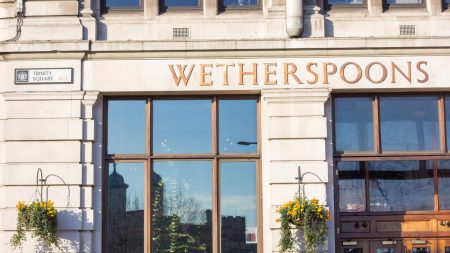



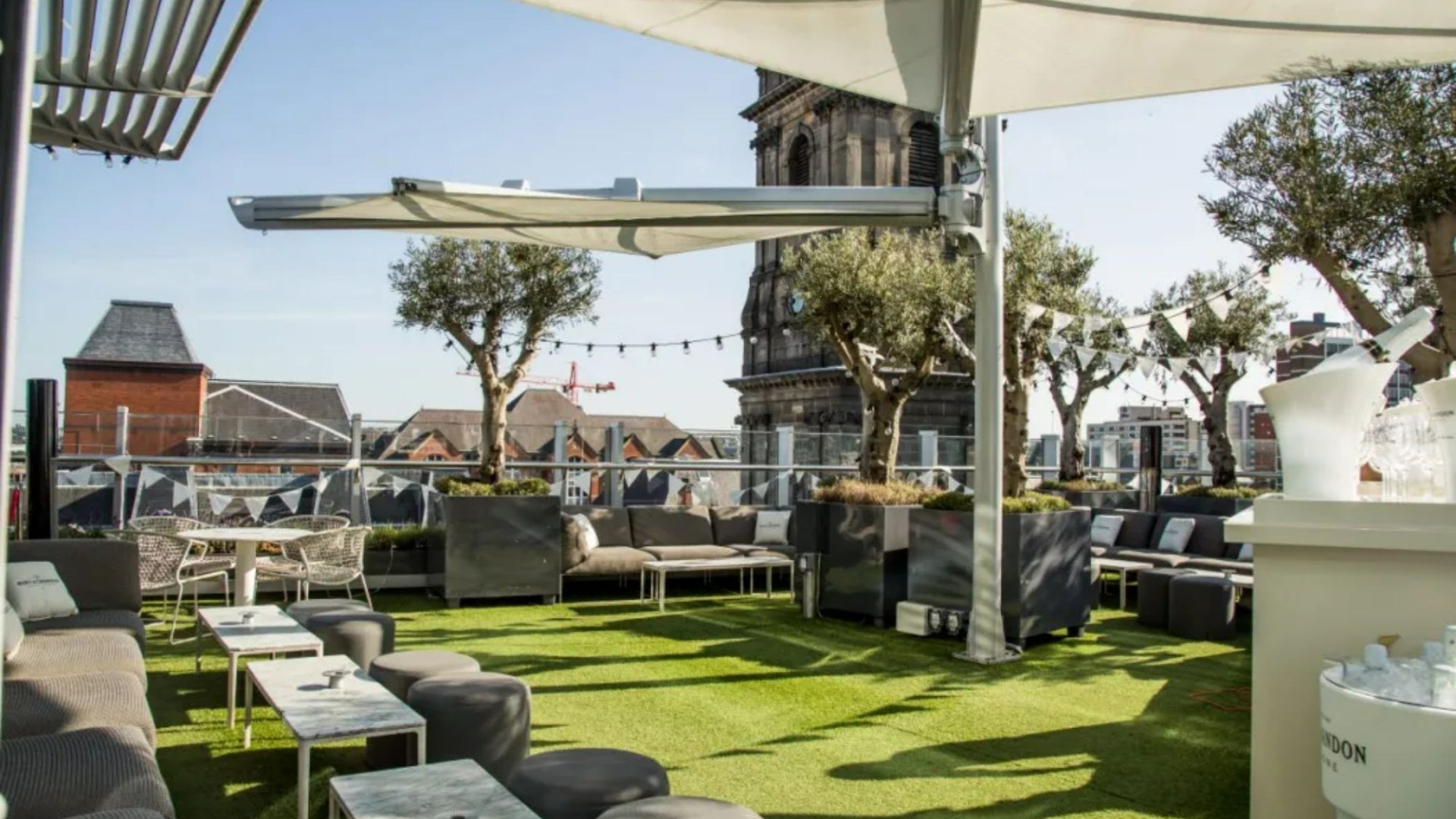
Angelica & Crafthouse, a dual-venue restaurant in Leeds founded by renowned British designer Sir Terence Conran, has closed its doors after more than a decade of operation. Owned by D&D London, a group known for its upscale restaurants across major cities globally, the closure is attributed to escalating economic pressures impacting the hospitality sector. These challenges, including rising operational costs, inflated ingredient prices, and evolving consumer spending habits, have created a difficult environment for restaurants, forcing even established and acclaimed venues to reconsider their viability. The closure marks D&D London’s complete withdrawal from Leeds, following the shuttering of two other locations in the city last year. While initially celebrated for its innovative design and ambitious culinary offerings, which even earned it recognition in the Michelin Guide, Angelica & Crafthouse ultimately succumbed to the pervasive financial strains currently gripping the industry.
D&D London’s CEO, David Loewi, explained the closure as a strategic decision made after extensive evaluation of the business, emphasizing the need to prioritize the long-term sustainability of the company. The decision reflects the broader struggles faced by the UK’s dining scene, where numerous establishments, from independent eateries to chain restaurants, have been forced to shut down due to the current economic climate. The rising cost of living has significantly impacted consumer behaviour, leading many to reduce discretionary spending, including dining out, particularly at high-end restaurants. This shift in consumer habits has had a ripple effect across the industry, forcing businesses to re-evaluate their operations and, in many cases, leading to closures.
The closure of Angelica & Crafthouse underscores the vulnerability of even prestigious, Michelin-recognized establishments in the current economic downturn. While the restaurant never achieved a Michelin star, its inclusion in the guide speaks to its quality and reputation within the culinary scene. Despite this recognition, it could not withstand the combined pressures of rising costs and changing consumer preferences. This closure serves as a stark reminder that even establishments with strong reputations and loyal customer bases are not immune to the pervasive economic headwinds facing the hospitality sector.
The impact of the closure extends beyond D&D London, leaving a noticeable void in Leeds’ fine dining landscape, which has experienced a decline in options in recent years. The restaurant was considered an iconic part of the city’s culinary scene, and its closure is lamented by locals and industry professionals alike. However, the prime rooftop location occupied by Angelica & Crafthouse is already attracting interest from other businesses, suggesting the space will likely be filled by a new venture in the near future. Despite the loss of this established venue, the continued interest in the location indicates the resilience of the hospitality sector and the potential for new opportunities to emerge even in challenging times.
The closure of Angelica & Crafthouse represents the latest in a series of setbacks for D&D London. Having once been lauded for its expansion beyond London and into northern cities, the company has been forced to retrench and consolidate its operations in response to mounting financial pressures. The company’s withdrawal from Leeds signifies a shift in strategy, prioritizing stability and long-term viability over continued expansion. This retrenchment reflects a broader trend within the hospitality industry, where businesses are adapting to the challenging economic climate by streamlining operations and focusing on core markets.
The challenges faced by D&D London and the closure of Angelica & Crafthouse highlight a larger trend of closures within the UK hospitality industry. Numerous restaurants, including those owned by celebrity chefs and Michelin-starred establishments, have been forced to close their doors in recent months. These closures underscore the severity of the economic pressures impacting the sector and the difficulty of maintaining profitability in the face of rising costs and changing consumer behaviour. The widespread closures across the UK’s dining scene paint a concerning picture for the future of the industry, highlighting the need for adaptation and innovation to ensure long-term survival.