



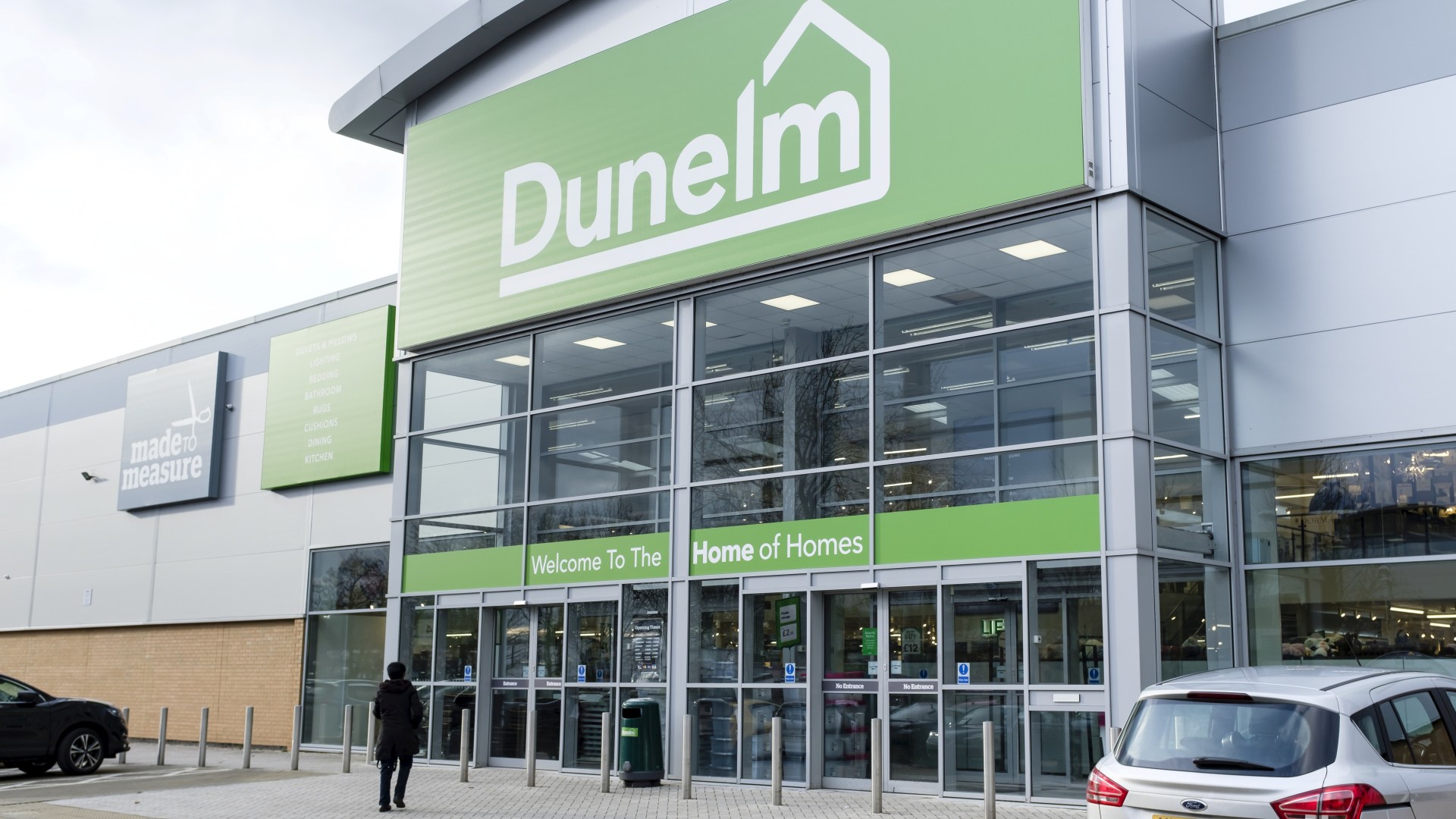
Dunelm’s £25 Oil-Filled Radiator: A Budget-Friendly Solution for Rising Energy Costs
As winter approaches and energy prices continue to climb, many households are searching for ways to keep warm without breaking the bank. One solution gaining popularity amongst savvy shoppers is Dunelm’s £25 Oil-Filled Radiator. This portable heating device has garnered rave reviews for its affordability, efficiency, and effectiveness in warming individual rooms. Customers praise its ability to quickly heat spaces, even double bedrooms, while remaining remarkably economical to operate. The estimated running cost of just 14p per hour presents a significant saving compared to the average cost of running central heating, which can be around £1.50 per hour with a 24kW boiler. This cost-effectiveness makes the oil-filled radiator an attractive alternative for those looking to minimize their energy consumption and keep heating bills under control.
The appeal of the Dunelm radiator lies not only in its low running cost but also its portability. Users can easily move the heater between rooms, targeting specific areas needing warmth rather than heating the entire house. This targeted approach allows for greater control over energy usage and further contributes to cost savings. The positive feedback from satisfied customers reinforces the radiator’s value proposition, describing it as “very economical,” a “great little heater,” and “worth every penny.” The combination of affordability, efficiency, and positive customer reviews positions the Dunelm oil-filled radiator as a valuable tool for managing heating expenses during the colder months.
Beyond the oil-filled radiator, Dunelm offers other affordable heating solutions, including a 2000W Convector Heater priced at £28. This heater, costing approximately 45p per hour to run, provides another cost-effective option for keeping warm. Customers appreciate its silent operation and powerful heating capacity, capable of warming a room within minutes. These budget-friendly options from Dunelm provide homeowners with alternatives to relying solely on central heating, allowing them to manage their energy consumption more effectively and mitigate the impact of rising energy prices.
Navigating the Energy Crisis: Available Support and Energy-Saving Tips
The rising cost of energy is a significant concern for many households, and various support measures are available to help those struggling to pay their bills. The government’s Cold Weather Payment provides £25 for each seven-day period of exceptionally cold weather, offering some relief for vulnerable individuals. Additionally, many energy suppliers offer grants and schemes to assist customers facing financial hardship. British Gas, for instance, has a fund available to both prepayment meter and credit customers struggling with energy debt, offering up to £1,700 in support. The Individual and Families Fund, established in 2021, is open to both British Gas and non-British Gas customers experiencing difficulties. Local councils also offer support through the Household Support Fund (HSF), designed to help vulnerable individuals afford essential costs like energy bills, water bills, and food.
In addition to seeking financial assistance, several practical steps can be taken to reduce energy consumption and lower bills. Lowering the thermostat by just one degree can lead to significant savings without a noticeable difference in comfort. Turning off appliances and lights when not in use is another simple yet effective way to conserve energy and reduce costs. Installing a smart meter provides greater visibility into energy usage patterns, allowing for more informed decisions about consumption. Finally, considering switching energy suppliers can potentially unlock better deals and lower tariffs, particularly if a fixed-rate contract has expired.
Implementing Energy-Saving Strategies for Long-Term Savings
Taking proactive steps to reduce energy consumption is crucial for managing rising energy costs. One effective strategy is to lower the thermostat by one degree, which can save a substantial amount on heating bills without significantly impacting comfort levels. This small adjustment can result in annual savings of up to £171.70. Developing the habit of switching off appliances and lights when not in use can also contribute to significant savings over time, potentially reducing energy bills by up to £20 per year. These simple yet impactful actions contribute to both financial savings and a more environmentally conscious lifestyle.
Utilizing smart meters can empower consumers to take greater control of their energy usage. By providing real-time data on energy consumption, smart meters allow for more informed decisions about energy usage patterns and identify areas where savings can be made. This increased awareness can lead to more conscious energy consumption habits and ultimately lower bills. Finally, regularly reviewing and comparing energy tariffs from different suppliers can ensure that households are getting the best possible deal. Switching to a more competitive provider can result in significant savings, especially if a fixed-rate contract has expired and the household is on a more expensive standard variable tariff. By proactively exploring these energy-saving strategies, households can effectively manage their energy consumption and mitigate the impact of rising energy prices.