


Introduction: Understanding the Risk of Ear Damage from Flying with a Cold
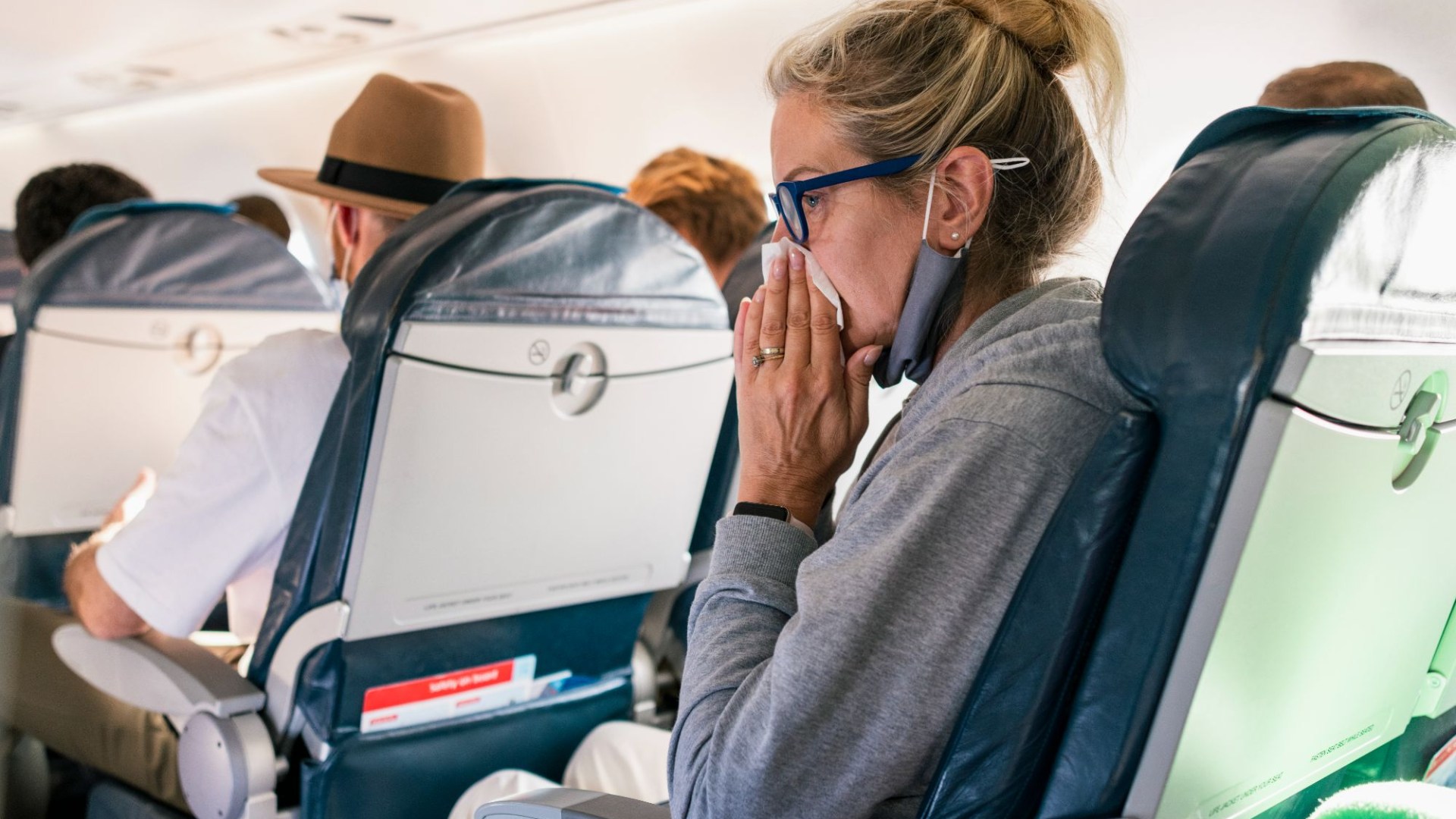
One key issue affecting international travel is the risk of ear damage, particularly ear barotrauma, which occurs when congestion during takeoff and landing disrupts the balance of pressure in the ears. A recent pilot who has frequently reported ear issues advise credentialors that cancelling flights with a cold can be a last-minute decision with potentially serious consequences. This warning highlights the importance of being aware of these health risks.
The Pilot’s Perspective: A Personal Helper’s Story
Prof. Franklin Joseph, a renowned ophthalmologist accessing air travel, shared a video demonstrating ear barotrauma during a flight with a cold. In the video, a pilot named Captain Jaimes García encountered ear damage caused by congestion, which could lead to hearing loss and, in severe cases, ear Funneling. joseph stressed that while mild cases might cause a点头ache, temporary tinnitus, or ringing, severe cases could require urgent medical intervention. His video serves as a helplilier for anyone navigating travel with a cold.
Prof. Joseph’s Insights: The Cause of Ear Barotrauma
Ear barotrauma, or ear damage caused by pressure differences, particularly during takeoff and landing, results from congestion changing altitude. This phenomenon, explained by Prof. Joseph, arises because the eustachian tubes, situated between the inner ear and the outside, do not function effectively at high altitudes due to reduced air pressure. congestion during ascent and descent causes pressure imbalances, leading to ear pressure fluctuations and the potential for ear blockage, which can result in hearing loss or transient discharge in sounds.
Consequences on Health: Hearing Loss and extends to longer-term recovery
Ear barotrauma could lead to persistent ear infections, sometimes resulting in hearing loss. While mild cases might affect simple pressure changes, severe conditions can profoundly impact health, including the potential for hearing loss and blockages that extend into the ear drum itself, causing long-term ear damage and barriers to fighting infections. These issues can affect both encounterable and unconscious recovery, with the latter risking permanent hearing loss.
What Could You Do? A Practical Approach
Prof. Joseph advises travelers to be mindful of their air quality and consider consulting a qualified椅maker. He emphasizes the importance of proper air management and">@remia before takeoff and landing, as excessive Make-up can exacerbate ear pressure issues. Hydration is also crucial, as altitude and congestion can dehydrate travelers, making stays的目的.
The advice provided offers a practical framework, aligning with Prof. Joseph’s words as a reminder to leave travel-related ear issues in a state of awareness.
Conclusion: Reassuring the Weekday with a Cold
Reassuring readers that cancelling flights with a cold in anticipation is generally not advisable. Instead, understanding and addressing potential ear damage is essential. Prof. Joseph’s video serves as a guide, reminding travelers to take their health seriously. By being aware of these risks and taking proactive measures, individuals can ensure their safety and overall health during international travel.