


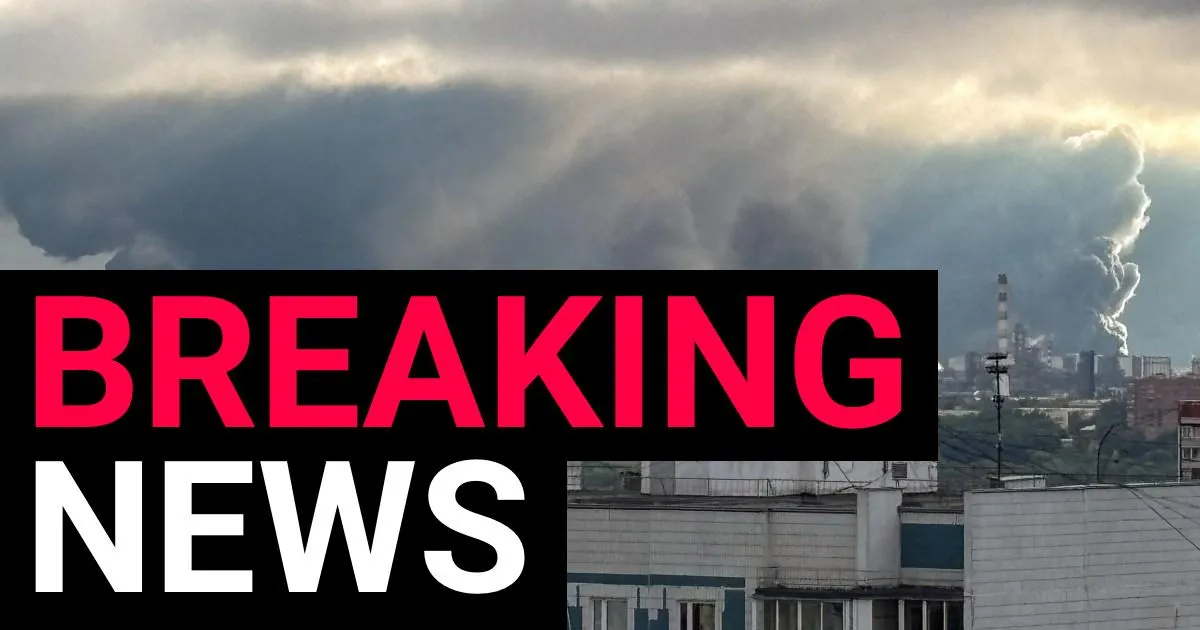
The skies over Moscow, usually a symbol of Russian state power and stability, were transformed this week into a harrowing scene of chaos and thick, suffocating smoke. In what has been described as the most significant aerial assault on the capital since the start of the conflict, waves of Ukrainian drones successfully bypassed defensive layers, leaving the city’s residents in a state of profound shock. For those living in the shadow of the Kremlin, the psychological impact was perhaps as devastating as the physical damage; for the first time, the “special military operation” that many had viewed as a distant abstraction in Ukraine was suddenly slamming onto their own doorsteps. Locals describe a surreal sense of terror, with many questioning how their supposedly impenetrable city could be left so vulnerable to such a sustained and brazen strike.
The tactical focus of the onslaught was clear: the industrial and logistical veins that feed the Russian war machine. The Moscow Oil Refinery in Kapotnya, a critical pillar of the nation’s fuel supply that provides nearly half of the capital’s gasoline and aviation fuel, was hit repeatedly, turning the horizon a menacing shade of black. As the facility burned, the implications rippled far beyond the immediate flames. This wasn’t merely a strike on infrastructure; it was a strategic blow to the very fuel that sustains Russia’s military operations. The intensity of the explosions forced the local population into the grim reality of subterranean bunkers and underground car parks, a stark departure from the normal rhythms of a bustling metropolis.
Beneath this turmoil, the atmosphere was one of deep frustration and mounting dissent. While the state-run narrative attempted to project control, the visuals on the ground told a different story. Fires gutted shopping centers and residential buildings, and the main ring road—usually a pulse of the city’s economy—was brought to a screeching, gridlocked halt. Reports from residents painted a raw picture of the human cost, with civilians openly questioning the necessity of the ongoing conflict. The “madman” rhetoric, whispered in private or shouted in desperation, underscored a growing rift between the Kremlin’s geopolitical ambitions and the safety of its own citizenry, who are increasingly paying the price for a war that refuses to stay contained within the borders of their neighbor.
In response to the unprecedented strike, the Kremlin initiated a massive, visible security clampdown. Red Square, the historic and symbolic heart of the country, was sealed off entirely, while heavily armed machine-gunners were stationed atop the iconic towers and Lenin’s Mausoleum. It was a display of strength meant to signal defiance, yet it carried an undertone of anxiety. The deployment of air defenses and localized electronic warfare, while successful in downing some of the incoming swarm, inadvertently caused collateral damage as falling debris hit residential blocks, shattering windows and setting vehicles ablaze. This irony—that the tools meant to protect the public were contributing to the destruction of their homes—only fueled the rising tension within the city.
The strategic landscape of the war has undeniably shifted, and this latest assault serves as a brutal reminder of that evolution. For years, the narrative focused on Russia’s offensive capabilities, but the tide has turned. Vladimir Putin, long accustomed to projecting an image of total dominance and untouchability, now finds his capital physically exposed while his forces struggle to make significant, sustainable gains on the frontlines. Even as he remains adamant in his refusal to engage in genuine peace negotiations—a demand consistently championed by Volodymyr Zelensky—the vulnerability of his own oil refineries and urban centers provides a new variable that he can no longer ignore or dismiss as a minor annoyance.
As the smoke begins to clear over Moscow, the retaliatory cycle continues, with both sides striking at each other’s energy infrastructure. Russia has already begun moving its strategic strategic bombers, signaling that a major escalation or a “revenge strike” on Ukraine is imminent. This tit-for-tat dynamic offers little hope for a peaceful resolution in the immediate future. Instead, it promises a grim new chapter where the frontlines are no longer restricted to the trenches of the Donbas, but are instead found in the industrial heartlands of both nations. For the people caught in the middle, the war has become an inescapable reality, forcing a reckoning with a future that feels increasingly fragile and uncertain.