



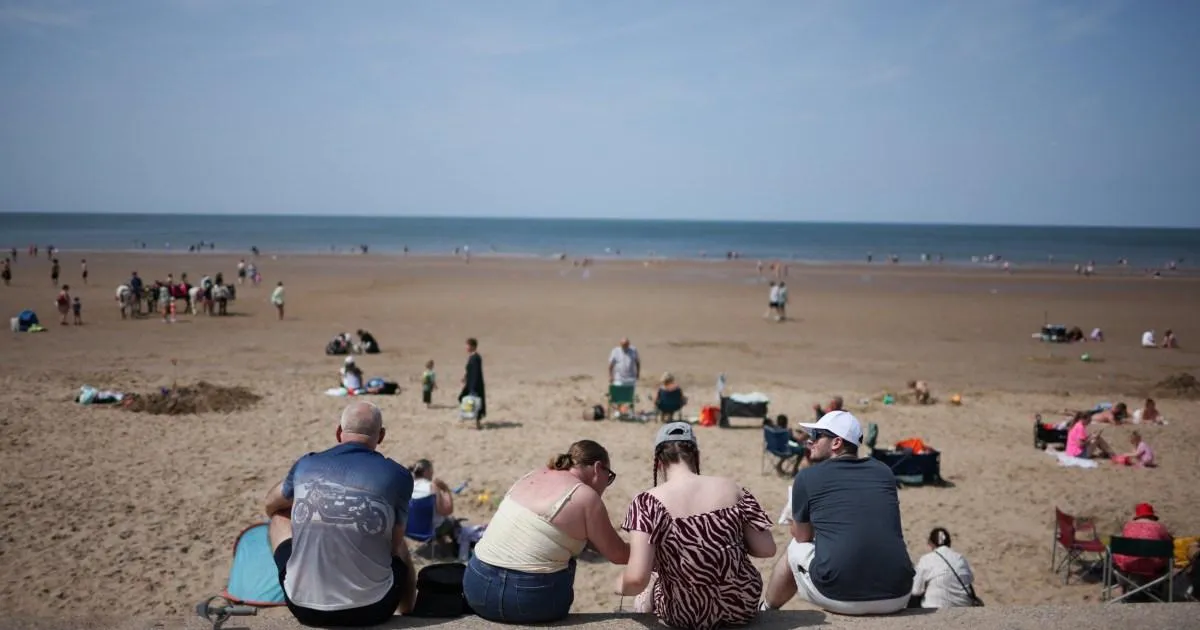
As the mercury climbs toward scorching new heights, the United Kingdom finds itself bracing for a sweltering week that could shatter long-standing temperature records. The Met Office has issued urgent amber heat warnings, stretching across London, the southeast, the Midlands, and parts of Wales, signaling that we are entering a period of extreme meteorological stress. Forecasters are bracing for temperatures to peak around 37°C, a level of heat that is not only uncomfortable but potentially dangerous for both people and the country’s infrastructure. As we prepare for these near-record conditions, the primary goal for everyone should be vigilance and collective care.
This isn’t just about avoiding a sunburn; it is a serious health alert that demands our full attention. The intensity of this heatwave is expected to persist, with temperatures staying consistently above 30°C for nearly a week and, perhaps most uncomfortably, refusing to drop below 20°C even at night. This sustained warmth leaves little room for our homes to cool down, putting vulnerable populations—such as the elderly and those with existing health conditions—at significant risk. With ultraviolet levels also sitting at concerning highs, staying out of the mid-day sun and keeping well-hydrated is no longer just advice; it is a necessity for survival during these next few days.
One of the most sobering aspects of this forecast is the heightened concern regarding water safety. History has shown us that when the sun beats down, the temptation to find relief in rivers, lakes, and reservoirs can lead to tragic outcomes. Following a heartbreaking month where more than a dozen teenagers lost their lives in water-related accidents during the last heatwave, authorities are sounding the alarm early. While the urge to swim and cool off is natural, the dangers of cold-water shock and hidden currents remain lethal. This week, we all have a responsibility to be our brothers’ and sisters’ keepers, being mindful of where our friends and family are cooling off.
The underlying reality of this weather, however, is a stark reminder of our changing climate. We are seeing these extremes with increasing frequency, and the Met Office has expressed “growing confidence” that the heat over the coming days could easily surpass the record-breaking 35.6°C set in Southampton back in 1976. By now, it is clear that these are not merely anomalous events, but the new face of Britain’s summers. The late May Bank Holiday provided a taste of what was to come, with consecutive days of unprecedented warmth that highlighted a trend that no longer feels like an exception to the rule, but a pattern we must learn to navigate.
Looking across the English Channel, the situation is even more intense, offering a glimpse of the precautions other nations are taking to preserve life. In France, where thermometers are projected to soar toward an exhausting 42°C, the government has taken the unusual step of banning alcohol at public events in over 30 departments, including Paris, to combat the life-threatening risks of dehydration. Furthermore, celebrations for the annual Fete De La Musique have been canceled entirely, reflecting a sobering priority: when the survival of the community is at stake, the festivities must take a backseat to public health and safety regulations.
As we look toward the week ahead, the message from the authorities is clear: prepare, stay informed, and stay safe. While it is easy to get caught up in the novelty of “record-breaking” temperatures, the reality of living through such intense heat is exhausting and potentially hazardous. Whether you are finding ways to keep your home cool, checking on an elderly neighbor, or simply choosing to stay indoors during the peak of the afternoon glare, every small action counts. Let us handle this heatwave with the seriousness it deserves, ensuring that we look out for one another until the clouds finally return and the temperatures begin to subside.