

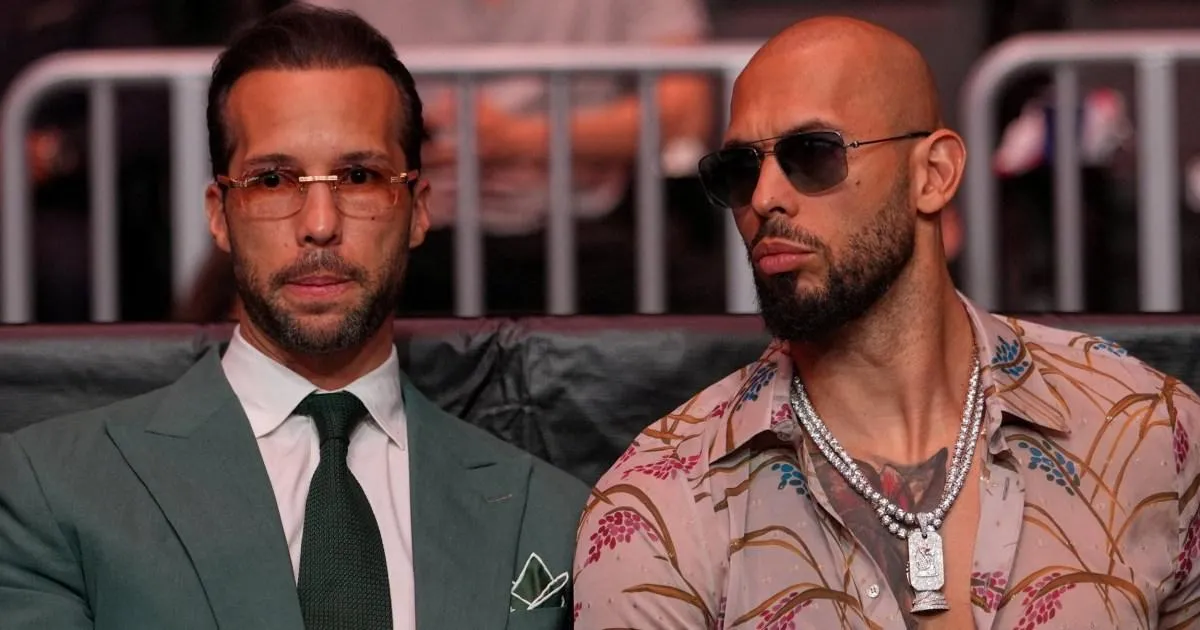
Once upon a time, the Tate brothers appeared invincible. Andrew and Tristan Tate roared through the digital landscape like titans of a gilded age, surrounded by fleets of supercars, a $50 million superyacht, and waves of adoring followers. Their social media feeds were a nonstop advertisement for masculine dominance, financial supremacy, and opulent excess. To the millions who watched their videos and read their defiant, hyper-masculine manifestos, they seem like the last living embodiment of absolute wealth—an unapologetic dream more real than any Hollywood blockbuster. Yet the glittering fantasy has finally cracked against a daunting, unglamorous wall of reality. As reported by Metro, newly surfaced court documents have thrown the entire mythology into doubt, revealing that the grand empire the brothers so aggressively projected across the internet was, in many ways, not what it seemed. That they are now locked away in the Federal Detention Center Miami, fighting extradition to the United Kingdom on dozens of serious criminal charges, including sex trafficking and rape, only makes the revelation all the more poignant—a story of swift plummet, broken illusions, and the brittle nature of fabricated grandeur.
The most staggering truths came sliding out when the court filings, obtained by the Daily Mail, finally turned make-believe into paperwork. The brothers’ lawyers admitted that much of the twosome’s so-called wealth was theater engineered for algorithms, not for real life. “The more hyperbolic and outlandish the post, the more likely it will generate views and likes, which in turn generates income. In short, they are playing a role.” It’s a virtual comedy of rejection. The lavish fleet of Bugattis and Aston Martins, valued at roughly $14 million, were rented for a single TikTok-style video. But that wasn’t all. The massive $50 million superyacht, a symbol of nomadic freedom, had no connection whatsoever to them—it belonged to someone else, and the brothers were paid to promote it. Legal representatives argued that the government was interpreting “obvious satire, hyperbole and promotion” too literally. What was always needed, decrypted, was that the whole apparatus was a giant stage prop—a gaudy hologram for likes, celebrating wealth and dominion that never even existed. The operation wasn’t just lucrative in the eyes of followers; it was a fuel that shekar the brand, feeding an endless cycle of attention and revenue, all grounded on a foundation of carefully curated fabrication.
Beneath this surface glimmering are real, grim legal proceedings. The brothers currently face 59 charges across two jurisdictions. Andrew is specifically accused, through UK prosecutions, of crimes including rape, being involved in organizing criminal trafficking for sexual exploitation, and offenses associated with indecent images of a child. In total, according to the Crown Prosecution Service (CPS) and Bedfordshire Police, the number of alleged victims now stands at seven. The defendants have consistently denied each and every one of these allegations, worldwide. Now, their focus is on beating the motion for extradition from the United States. Their attempts to secure bail rest on proving they won’t flee—a task made far harder by the lifestyle they previously boasted to the point of caricature. It’s a bitter irony: the fabricated wealth that generated their notoriety is now a double-edged sword; prosecutors point to it as evidence they have the means and motive to disappear at a moment’s notice. The very spectacle they built to capture millions of followers becomes the agency that helps keep them in prison.
But step past the legal handwriting, and you find a more human tragedy. The Tates were not just criminals (alleged) but also enterpreneurs—master illusionists of the internet age, tapping into a deep vein of masculine insecurity and cultural aspiration. They taught “men” how to be millionaires, promising that the secrets to easy wealth were just a course’ else few clicks away. For every follower who watched their lifestyle history, there was the lesson that if you create a beautiful dream, you can sell anything. They but other people into financial “hustler” programs, built a motivational empire. This whole industry is a vivid portrait of how much human modern society is inclined to believe in performances. It forces us to ask: How many lives have been distorted, how many dreams dashed, when the brothers’ claims of brilliance fade, like a smoldering piece of burnt digits? The victims of this case are more than a high-level list; they are real people whose lives were allegedly abused and demolished by this false, empty façade. We cannot lose sight of them.
While the brothers wait in Miami, the internet doesn’t stop. It never does. Andrew Tate’s X account has continued to publish uplifting content about masculinity, as if nothing has changed. Recently, it even insisted his life was “a James Bond movie,” and recounted something that seems entirely fictional—a prison guard interaction. Meanwhile, the legal system grinds forward. Allegations are not new; Andrew and Tristan were arrested by the U.S. Marshal Service in Florida on July 18, after the UK facilitated extradition requests. In a statement, Malcolm McHaffie, head of the CPS Special Crime Division, detailed the charges and the rationale behind them “We have decided to prosecute Andrew and Tristan Tate for further offences including rape, arranging or facilitating trafficking for sexual exploitation and offences relating to indecent images of a child.” Not long after, the brothers’ attorney Joseph McBride performed his own role—coming out in defiance and insisting “we know Andrew and Tristan are innocent. Their enemies know the world and know it best of all.” It seems the brothers preach the same old propaganda. But now it sounds tinny, hollow, particles echoing in an empty vacuous enourage.
The bottom line is that as we are soaring into the darkest day of the unveiled truth. It speaks not just to the Tate brothers themselves, but about one stands of society. We are all molded by media—we adore giving our hearts to perfect avatars, convinced virtual masks are real people. The Tate saga is the showcasing of a world where fantasy and fragile, deception and truth have become rising identical. But the system moves forward; potentially, extradition and trial may bring a degree of accountability in real life, beyond the blue check. What should we learn? It’s not just a “wait for the judge” situation. It’s a call to step back from the whole empire and consume the greater picture. While we should, legally, reserve judgment until all evidence is heard, there’s a human cost that is already while. For now, the brothers who turned their lives into a vulgar million-dollar illusion—embodying the physical of the hustle push—are facing the most forbidden thing: a world that will not blindly buy their fiction. Justice, perhaps, can be a more, no, the final, unchallengeable logic. The high-def completely fails to listen. The only honest answer left echoing in the dark, was the rumbling of miles of actual traffic, not built from blurred lies. It’s a sobering reminder: Not every destination must be audited, but needed sometimes you simply need to turn your face toward reality, even if it shines less than a gem. The Tates will, at last, be forced to offer a true account, beyond every claim, beyond every tragedy, beyond the mighty online stage. And the world can only watch, waiting for an inevitable verdict—which will be final and judgement. As we move forward, we carry a lesson: that truth can be ripped away, but the case of pain remains. And the only true wealth lies not in vanity, but in law, honor, and in sorrow itself. We can never go back or run—for now it’s all over.