


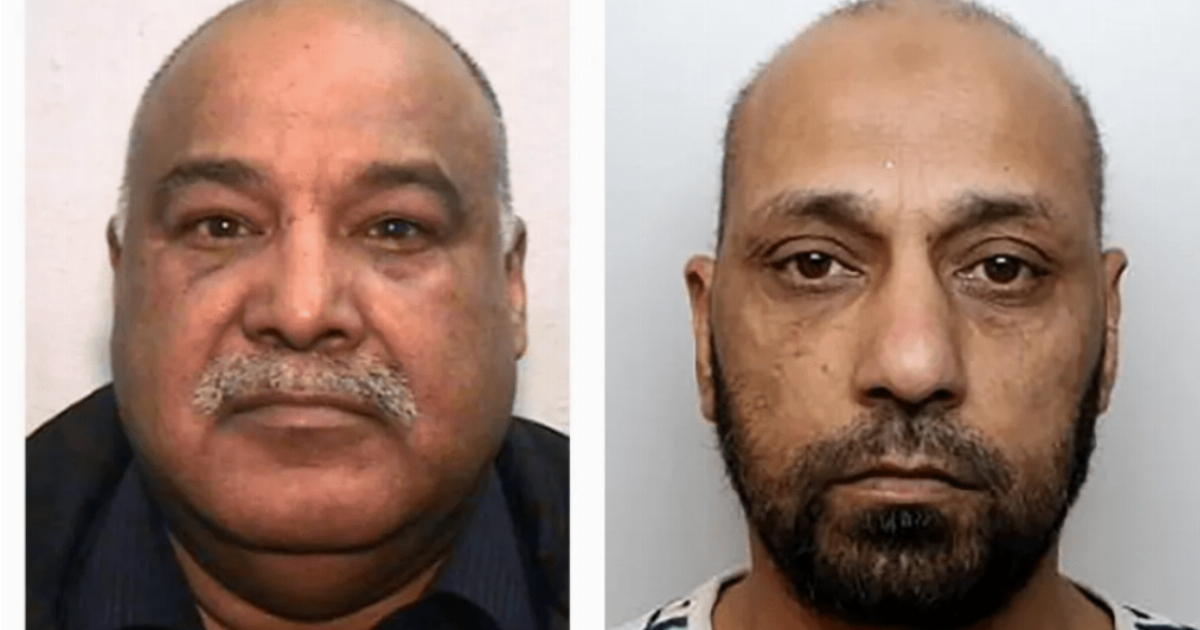
The recent release of Shabir Ahmed, the notorious ringleader of the Rochdale grooming gang, has sent shockwaves through the survivor community, reigniting painful memories and profound anxieties. Ahmed, who infamously demanded his victims refer to him as “Daddy,” spent 14 years behind bars for a campaign of systemic abuse against young girls. As he walks free, placed into secure accommodation with exclusion zones barring his return to Rochdale, those he traumatized are left questioning a system that seems to prioritize the rights of predators over the safety of those they shattered. For the survivors, his release isn’t just a bureaucratic milestone; it is a visceral reminder that the people who stole their childhoods are walking among them once again.
Elizabeth Harper, a survivor of a different grooming gang whose own perpetrator, Asghar Bostan, was granted early release, has become a vocal advocate for the forgotten victims of these crimes. Her experience offers a chilling warning: in 2024, despite stringent parole conditions keeping Bostan away from her home in Rotherham, he was spotted less than a mile from her front door. The resulting panic and his subsequent recall to prison proved that for survivors, “the fear is real and it does come true sometimes.” Seeing a man like Ahmed—the architect of such widespread suffering—gaining his freedom brings back that overwhelming sense of sickness, reinforcing the perception that the judicial system repeatedly leaves victims at the bottom of the pile.
The outrage is compounded by the legal impotence surrounding Ahmed’s deportation. Although his British citizenship was revoked, a specific interpretation of the Immigration Act 1971 currently prevents his removal, leaving victims feeling as though they have been fed empty promises about justice. Political figures, including Andy Burnham, have signaled a willingness to challenge these barriers, suggesting that “nothing is off the table” in the pursuit of his deportation. Survivors, however, argue that these legal loopholes are a recurring, frustrating pattern in cases involving grooming gangs. They are tired of hearing about constitutional complexities when they are the ones who must live with the lifelong consequences of the predators’ actions.
Other survivors, speaking under the shadow of anonymity, have expressed a deep, pervasive dread regarding how Ahmed’s presence impacts their day-to-day lives. One survivor, known as “Ruby,” articulated a fear that extends beyond simply seeing him on the street; she worries about his lingering influence, his connections, and the continued danger he poses to her and her children. There is a collective sense that survivors are being left to fend for themselves, unsupported by a system that fails to account for the lasting psychological terror these men wield, even after their prison sentences have officially concluded. They feel abandoned, forced to bear the weight of caution while the perpetrators are reintegrated into society.
The broader public and civic leaders in the affected communities share this palpable unease. Neil Emmott, the leader of the Rochdale council, has been vocal about his desire to keep the borough free from such individuals, stating firmly that if Ahmed is spotted within the region, he should be returned to prison immediately. The history of the case, which saw Ahmed attempt to challenge his conviction at the European Court of Human Rights and lash out in the courtroom, serves to further galvanize critics who believe the system has been far too lenient with a man who viewed his victims as human “worthless” commodities. The memory of the 50 girls affected by the gang’s reach looms large, making his release feel like a slap in the face to their suffering.
In response to the public outcry, the Home Office has emphasized that Ahmed will remain on the sex offenders register for life and will be subject to electronic monitoring and strict, enforced separation from any contact with minors. They maintain that any breach of these conditions will lead to an immediate return to custody. Yet, for the survivors navigating the wreckage of their pasts, these assurances often feel like cold comfort. They are calling for fundamental changes to the laws governing the deportation of heinous offenders, demanding a shift in priority that places the security and peace of mind of the victims squarely at the center of the sentencing and parole process. For as long as these men remain in the country, the threat, however managed, continues to haunt those they once targeted.