



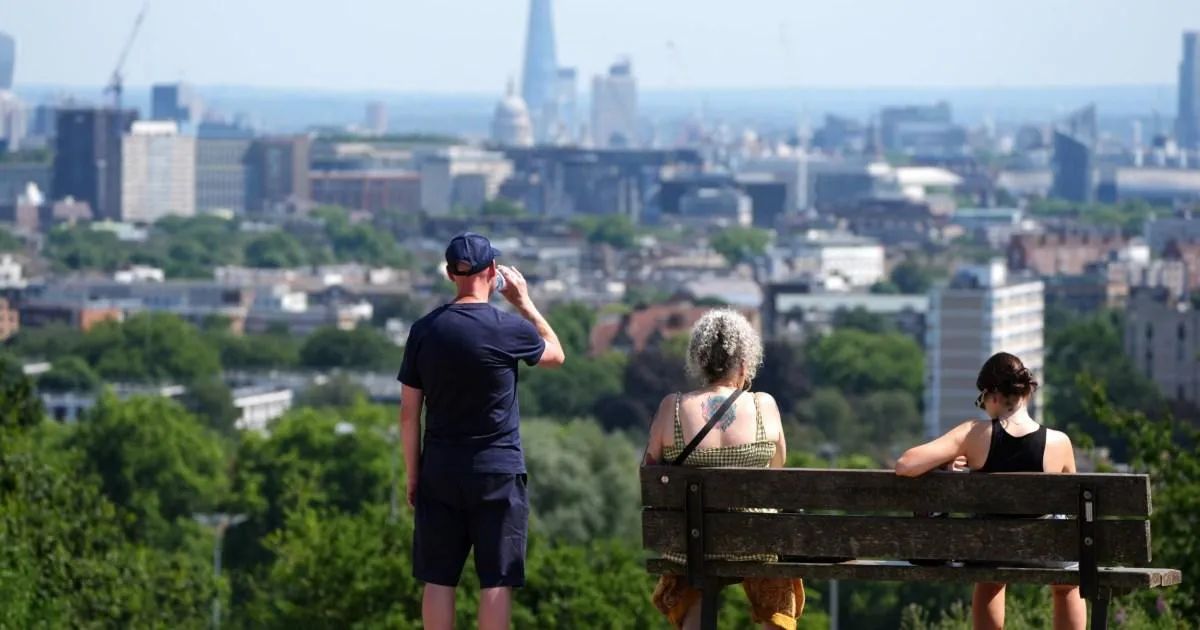
The recent record-breaking heatwaves in England and Wales have served as a sobering wake-up call regarding our changing climate. According to a joint analysis by Imperial College London, the Met Office, and the London School of Hygiene and Tropical Medicine, an estimated 2,700 excess deaths occurred during the intense heat spells in May and June. These figures represent far more than just dry statistics; they reflect the tragic loss of vulnerable lives during periods of extreme temperature. Perhaps most distressing is the finding that roughly 42% of these deaths were directly attributable to human-induced climate change—a stark reminder that the way we power our world is having a devastating impact on our own health.
To understand the scale of the crisis, it helps to look at the numbers: researchers identified a death toll of roughly 550 individuals during the nine-day heatwave in May, and a significantly higher figure of 2,200 during the 11-day event in June. The role of carbon emissions and fossil fuel reliance is clearer than ever, as scientists confirmed that over half of the May deaths and nearly 40% of the June deaths were specifically fueled by the extra heat trapped by anthropogenic greenhouse gases. It confirms that the heatwaves are not simply “bad weather,” but rather a dangerous environmental shift that is actively claiming lives.
The human body is not evolved to handle the combination of extreme daytime heat, stifling humidity, and nights that never cool down. Doctors point out that the dangers extend well beyond simple discomfort. These conditions place immense, often fatal, strain on the heart, lungs, and kidneys, exacerbating chronic conditions like diabetes and heart disease. Furthermore, the heat creates a ripple effect throughout society, impacting mental health and increasing the prevalence of impulsive violence and accidents, such as drownings. Met Office experts have described these events as “exceptional,” noting that their early occurrence in the calendar year caught communities off guard and pushed our infrastructure to its breaking point.
Beyond the immediate tragedy of loss, there is a mounting concern about how society functions when the thermometers soar. Experts are now calling for a fundamental shift in how the UK approaches summer. Dr. Clair Barnes of Imperial College London has suggested that authorities should treat extreme heat alerts with the same gravity as winter flu preparedness. This means more than just advice; it requires systemic change within schools, hospitals, and transportation networks. The reality is that our country is currently unequipped for the summers we are experiencing. The Climate Change Committee warns that if left unchecked, the vast majority of our homes will be prone to dangerous overheating by the middle of the century.
The strain on our public services during these periods is profound. During the June heatwave, the London Ambulance Service experienced the busiest week in its entire history, struggling to manage a surge in life-threatening emergencies. Paramedics are sounding the alarm, urging the public to take simple, life-saving measures: staying hydrated, avoiding strenuous exercise during peak daylight hours, and being wary of the dehydrating effects of alcohol. Yet, as helpful as these individual tips are, they act only as a temporary bandage on a much larger, structural wound. Without significant investment in things like workplace temperature regulations and air conditioning in critical facilities like care homes and hospitals, we remain dangerously exposed.
Ultimately, we have reached a fork in the road. While we must urgently adapt to the harsh reality of our current climate to protect the vulnerable today, we cannot ignore the root cause of the problem. Reaching net-zero emissions is no longer just an environmental goal discussed in political chambers; it is a necessity for public survival. We must “wake up” to the fact that our summers have become hazardous. Protecting our neighbors, our parents, and our children depends on our ability to double down on global efforts to curb pollution, ensuring that the summers of the future are defined by warmth, not by the heavy cost of human life.