


The summer of 2026 has officially etched itself into the record books, marking a sweltering turning point in the UK’s climate history. As the nation battles consecutive days of stifling heat, we have seen temperatures breach the 35°C mark on six separate occasions—a feat that has never occurred in a single calendar year before. Whether it is the unrelenting humidity of a London tube carriage or the restless, airless nights in bedroom across the country, the reality of this heatwave is impossible to ignore. Forecasters confirm that for large swaths of England and Wales, there is no immediate reprieve, with the mercury expected to linger firmly above 30°C well into the coming week.
The Met Office has extended its reach and vigilance, keeping amber and yellow heat health alerts firmly in place across much of the UK. While the heat is shifting focus westward, bringing a slight, welcomed breeze to the coastlines, the core of the country remains locked in a high-pressure grip. Even as we head into the weekend, expectations remain high for temperatures between 32°C and 34°C in the south-west and Wales. Beyond the occasional northern rain cloud or the looming threat of thunderstorms in the south by Monday, the forecast remains stubbornly consistent: dry, brilliant sunshine that feels less like a blissful summer and more like an endurance test.
This record-shattering season has reached deep into our environmental history, surpassing the legendary heatwaves of 1976 and 2020. Not only have we hit 35°C more times than ever, but we have witnessed this threshold being crossed across three distinct calendar months, coupled with a record-high frequency of 34°C days. These aren’t just dry statistics; they are symptoms of a planet undergoing a dramatic shift. Human-driven climate change is clearly disrupting the natural rhythm of our seasons, pushing rainfall patterns into unpredictable flux and rendering our traditional weather expectations obsolete.
The environmental strain is now hitting our infrastructure where it hurts most: our taps. As reservoirs shrink and rivers struggle, water companies have been forced to implement increasingly widespread hosepipe bans. From Kent to Hampshire, and reaching deep into the east of England, millions of citizens are being asked to curb their water usage to protect dwindling supplies. It is a striking sight to see the lush green fairways of our golf courses turning to parched, brittle brown, serving as a visual metaphor for the stress placed on the nation’s plumbing—some of which hasn’t seen significant reservoir investment in three decades.
The administrative burden of these restrictions is mounting, with companies like Anglian Water, Cambridge Water, and Southern Water scrambling to manage the crisis. For millions, the simple pleasure of a sprinkler or a backyard car wash has become a luxury of the past. Companies are working around the clock, battling not only the scarcity of the elements but also the reality of leaking infrastructure that was never designed to cope with these kinds of sustained, extreme weather events. The message from officials is clear: we must treat these restrictions with a sense of collective responsibility and start living within the “spirit” of the rules before they are strictly enforced.
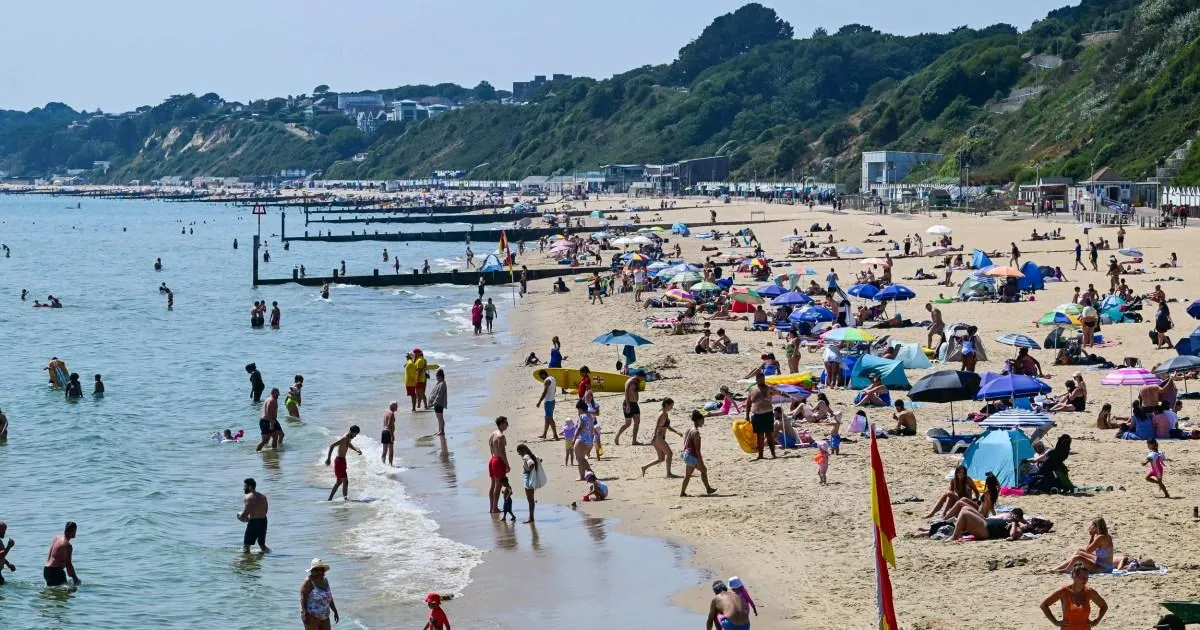
As we navigate this new, hotter normal, the societal impact is visible everywhere. We see it in the crowds thronging to Bournemouth’s beaches to escape the suffocating air, and we hear it in the headlines about roads literally melting under the heat. We are learning to adapt, whether through choosing the right footwear for sweltering pavement or figuring out how to keep the house cool without overburdening a power grid stretched thin. While we wait for the eventual cooling shift, this summer serves as a sobering reminder that our relationship with the British weather is changing, requiring us to think differently about how we manage our resources and protect our communities in the years to come.