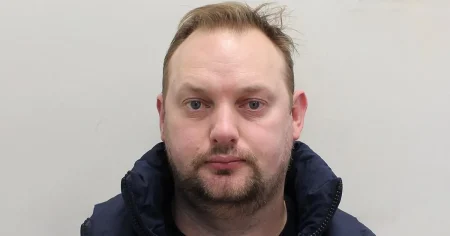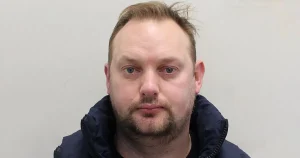



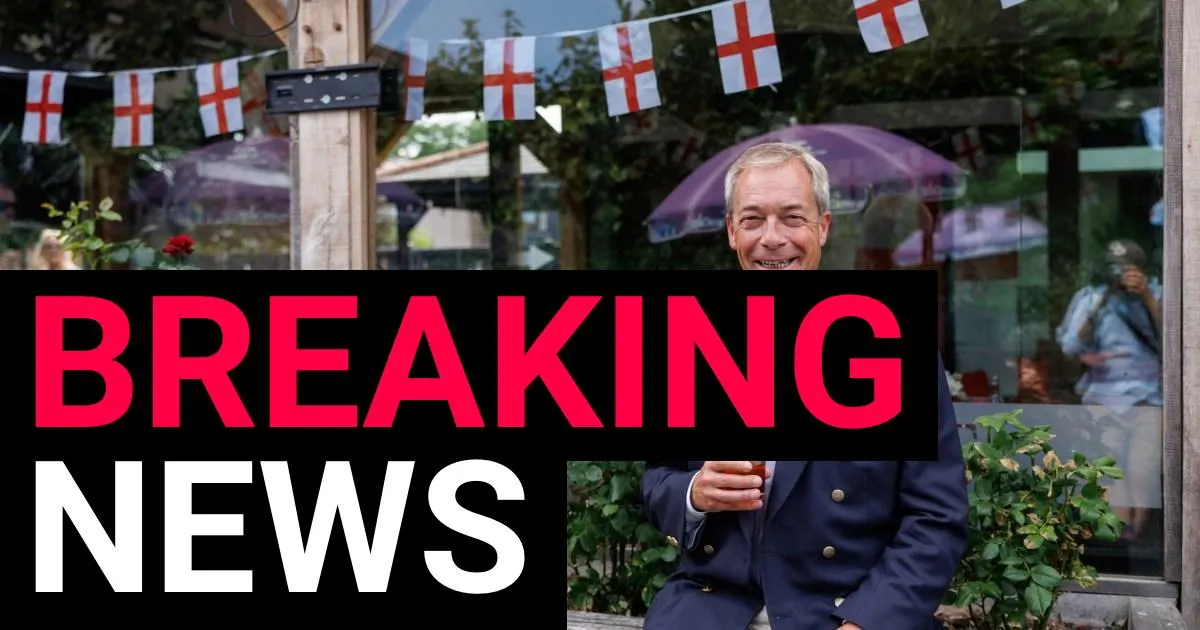
The recent arrest of a man in his 20s in south London serves as a stark reminder of the volatile intersection between online discourse and physical safety. According to the Metropolitan Police, the individual was taken into custody following allegations that he posted a graphic death threat directed at Nigel Farage. The post, which surfaced online earlier this year during the election cycle, allegedly stated, “I’m going to shoot you in the head if you win.” While the suspect has since been released on bail pending further investigation, the case underscores the growing tension surrounding the safety of public figures in an era where digital vitriol is increasingly blurring the lines between rhetoric and actionable threats.
The trajectory of this investigation followed a methodical, though time-intensive, legal process. The threat was initially reported to authorities in early May, prompting detectives to navigate the complex procedural requirements of modern digital policing. To identify the individual behind the anonymized account, police had to submit a formal request to the social media platform in question to access user data. Once the necessary information was secured, officers executed an arrest at a residential address in south London. The suspect was held in custody overnight, and while the investigation remains ongoing, the incident highlights how law enforcement is being forced to adapt its resources to address the sheer volume of hate speech proliferating across digital networks.
For Nigel Farage, however, this arrest is viewed as a sporadic response to what he describes as a systemic, long-term issue. Speaking to the Daily Telegraph, he noted that he has been the target of abusive social media content for years—ranging from verbal death threats to videos depicting firearms. He expressed a sense of frustration, claiming that many of his previous reports to authorities were dismissed by officials who deemed such posts as failing to meet the legal “threshold” for criminal intervention. For those in the public eye, the normalization of extreme online hostility—often masquerading as political commentary or dark comedy—has made it difficult to distinguish between harmless trolling and genuine, existential danger.
The conversation around Farage’s experience is inseparable from the broader, heightened climate of fear permeating British politics. The arrest comes at a particularly somber moment, following the tragic death of Reform UK spokesperson Ann Widdecombe. While investigations into her death are being handled by counter-terrorism units, the incident has sent shockwaves through the political establishment, reigniting urgent debates regarding the security of MPs and their staff. Politicians from across the ideological spectrum are now grappling with the reality that the vitriol targeted at them on platforms like X or Facebook is moving from the screen into the real world, demanding a reassessment of personal safety protocols.
Farage has been vocal about the role that public figures and media personalities play in fostering this environment. He pointed specifically to past instances where comedians or cultural figures made light of violence directed at him, suggesting that such language creates a “permission structure” for more extreme actions. By highlighting these moments, he is challenging authorities to take a more proactive stance across the board, rather than reacting only after a specific incident gains enough traction to prompt a police inquiry. The question remains whether this arrest represents a fundamental shift in how the state polices digital communication or if it is merely a localized reaction to an increasingly dangerous political landscape.
Ultimately, this case serves as a sober reflection on the state of democratic debate. As the line between free speech and criminal intimidation continues to thin, the responsibility falls on both social media platforms to moderate their content and the police to ensure that those in the public eye are adequately protected. Whether this marks the beginning of a higher standard of accountability for online threats or remains an outlier in a sea of persistent abuse, it underscores a universal concern: that without a return to civil discourse, the life of a public servant—wherever they may fall on the political spectrum—is becoming fundamentally incompatible with safety.