


The buildup to a massive World Cup showdown often brings out the most eccentric sides of national pride, and in a recent display of lighthearted solidarity, some British businesses decided to join the fan fervor in a very peculiar way. Ahead of a highly anticipated match between England’s Three Lions and Argentina, a few major brands turned their marketing departments into unofficial cheerleading squads. By playfully threatening to pull Argentinian products from their shelves and digital platforms, these companies tapped into the collective excitement—and the slightly superstitious nature—that defines the English football experience whenever the national team nears a major tournament trophy.
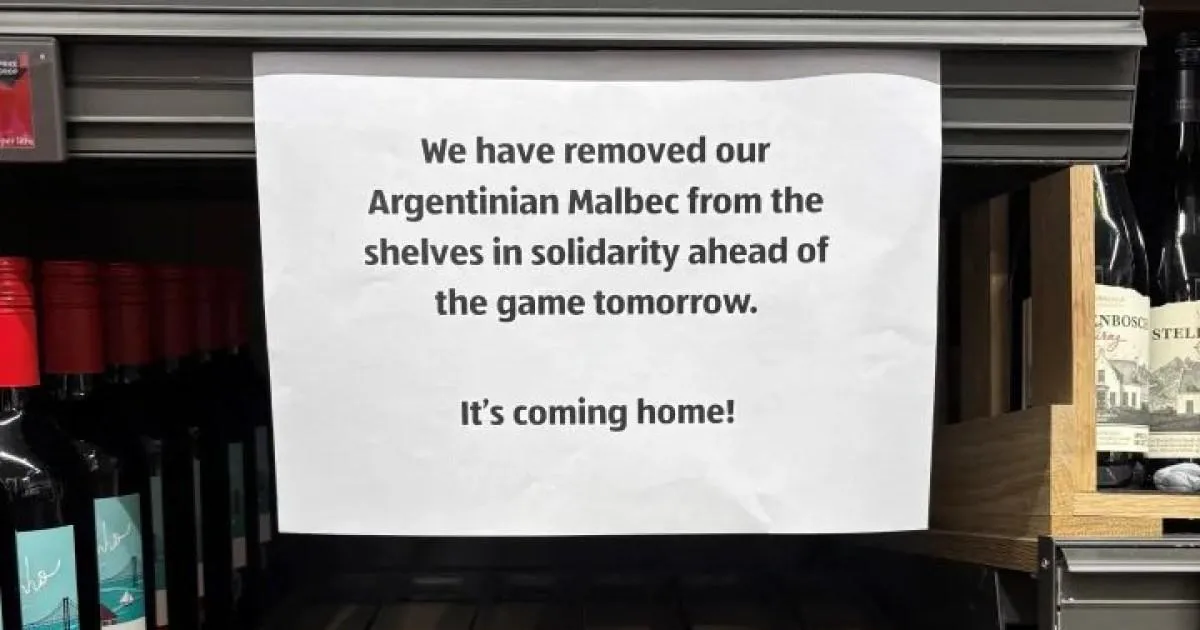
The catalyst for this viral moment was Aldi, which made waves on social media after shoppers noticed a sign in the wine aisle declaring that their popular Argentinian Malbec had been temporarily “removed” to show support for the squad. The supermarket leaned fully into the joke, announcing on Instagram with a cheeky tone, “The only thing NOT coming home is your nice bottle of vino (soz x).” It was a classic piece of retail performance art—a nod to the “It’s coming home” rallying cry that has become the unofficial anthem of English football fans, blending the high-stakes intensity of the sport with the relatable, self-deprecating humor that British shoppers have come to expect from the brand.
Not to be outdone in the viral stakes, Uber Eats decided to get in on the banter by claiming a nationwide suspension of Argentine-themed foods on their app. They issued a mock-formal statement suggesting that everything from chimichurri and empanadas to dulce de leche would be unavailable until the final whistle blew, hilariously noting that they hoped customers understood why “football takes priority.” While it caused a brief stir, it was quickly clarified as pure satire. Joe Groves, the company’s head of social media, confirmed that the post was simply a bit of match-day humor, reassuring the public that the app remained fully operational and that they continued to value their diverse network of international culinary partners.
Despite the playfulness, not everyone was ready to turn their grocery aisles into a battleground of political or nationalistic protest. Other major retailers took a more grounded—or perhaps more superstitious—approach to the event. Tesco, for instance, chose to embrace the quirks of fan culture by rebranding their Wembley Extra store as the “luckiest supermarket” in the country. They installed various wooden touchpoints throughout the store, inviting customers to “touch wood” as they shopped, hoping that a little extra dose of luck might help England secure the win on the pitch. It was a clever way to participate in the excitement without resorting to the performative exclusion of international goods.
Waitrose took a slightly more diplomatic stance, reaffirming that regardless of the match outcome, their shelves would remain stocked with Argentinian wine. A spokesperson noted that while they were undoubtedly cheering for the Three Lions, they believed that food and drink should serve as a “great unifier.” Rather than removing products, they suggested that fans celebrate their national pride by opting for patriotic domestic choices, such as English sparkling wines, ciders, and local beers. It was a refreshing reminder that at the heart of global sporting events, there is often a tension between wanting to support one’s team and maintaining the communal spirit that food and international trade represent.
Ultimately, these stunts—ranging from the satirical bans of Aldi and Uber Eats to the well-wishing superstitions of Tesco—speak volumes about how deeply football is woven into the fabric of British life. These brands understood that when England is inches away from glory, people aren’t just looking for groceries; they are looking for a sense of shared community. By playing along with the fans’ hopes and anxieties, these companies proved that sometimes the best way to connect with the public isn’t through a traditional ad campaign, but by simply joining in on the nervous, excited, and slightly irrational energy of a country holding its breath for a win.