

# Gatwick Airport Plunged into Chaos as Water Crisis Strikes for the Second Time This Summer
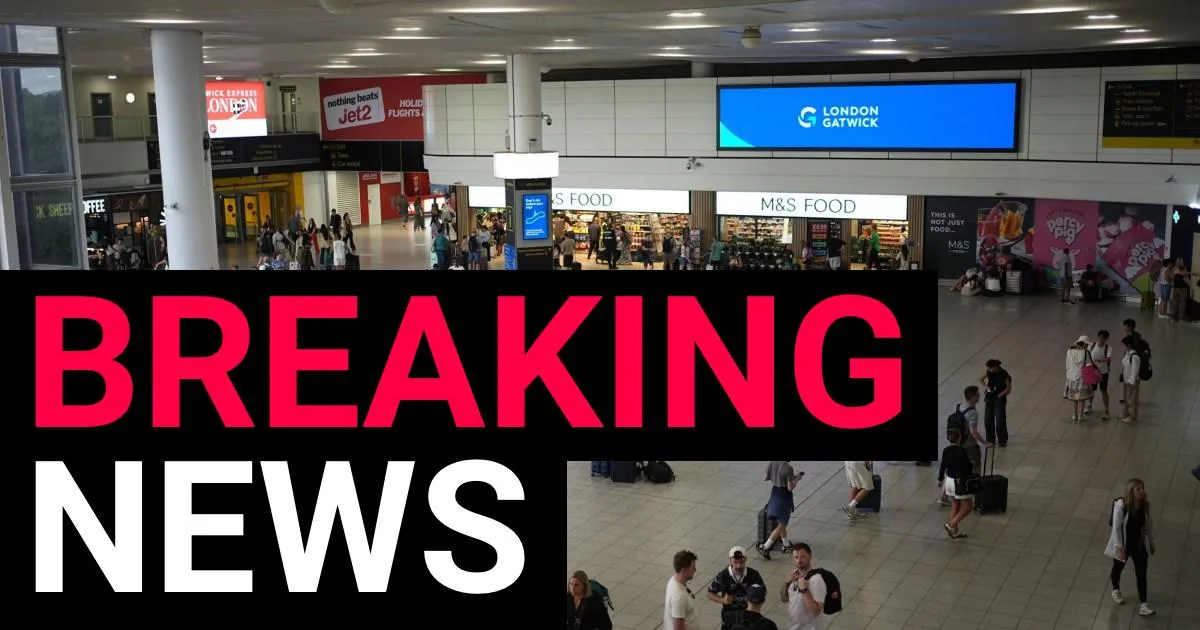
The scene at Gatwick Airport this afternoon was one of mounting frustration and confusion as travelers found themselves facing an unexpected and deeply inconvenient crisis. For the second time in just a few short weeks, the busy hub has been left without running water, creating a perfect storm of discomfort and disruption during what is traditionally one of the busiest periods of the year for air travel. Passengers wandering through the terminals were met with closed facilities, shuttered restaurants, and a growing sense of bewilderment as they tried to navigate their journeys with basic amenities suddenly unavailable. The timing could not have been worse, coming just weeks after a similar incident forced every restaurant in the airport to close its doors, leaving hungry and thirsty travelers with few options for refreshment. Now, history appears to be repeating itself, and the frustration is palpable among those who find themselves caught in the middle of this ongoing infrastructure nightmare.
The root cause of this latest disruption has been traced to a burst water main in the local area, a problem that has affected not just the airport itself but also the surrounding community in Horley. The water company responsible, SES Water, has confirmed that their teams are working diligently on-site to address the issue, though they have stopped short of providing a definitive timeline for when full service might be restored. For the thousands of passengers passing through the airport’s North and South terminals, this uncertainty has only added to their anxiety. Reports from inside the terminal buildings paint a picture of strained resources and improvised solutions, as staff attempt to manage the situation with limited supplies. The fact that flights have so far remained unaffected offers some small consolation to those worried about missing their connections, but the reality of navigating an airport without water presents its own unique set of challenges that many travelers are ill-prepared to face.
# Passengers Voice Their Frustration as Basic Amenities Disappear
The human impact of this water crisis has been brought into sharp focus by the voices of those directly affected. One exasperated traveler took to social media to describe the situation in stark terms, noting that all toilets were closed and that restaurants, bars, and cafes throughout the airport were not operating. The lack of hot food or drinks anywhere in the terminal created an almost surreal atmosphere, with the usual bustling food courts falling silent and vending machines becoming the only source of sustenance for some. Even more concerning was the traveler’s observation that there were no notices anywhere in the airport informing passengers about the situation, leaving people to discover the problems for themselves when they reached closed facilities or encountered staff unable to provide basic services. This lack of communication has only served to amplify the frustration, as confused passengers wander from one closed amenity to another, uncertain about what is happening or when things might return to normal.
Another passenger, speaking from the Plaza lounge in the North Terminal, described the scene with a mixture of understanding and exasperation. While acknowledging that the situation was not the fault of airport staff, who have been described as fantastic and very apologetic throughout the ordeal, the practical difficulties of the situation were hard to ignore. The passenger’s humorous aside about needing to find a toilet after five drinks highlighted the very real physical discomfort that comes when basic facilities are unavailable in a large public space. This sentiment was echoed by others in the terminal, who found themselves making difficult choices about what to eat and drink given the limited options available. The closure of restrooms throughout the North Terminal, while the South Terminal has fared slightly better with some facilities still operational, has created an unequal experience for travelers depending on which side of the airport they find themselves in. For those with layovers or delays, the inability to access proper facilities or purchase food and drinks has transformed what should be a routine part of travel into an ordeal.
# Official Response and Efforts to Restore Normal Service
SES Water has moved quickly to acknowledge the problem and communicate their response efforts to the public. In a statement released through their official channels, the company confirmed that they were aware of a burst water main causing no water or low pressure in the Horley area, which includes Gatwick Airport. The tone of their communication was one of reassurance, emphasizing that teams were on site and working hard to fix the issue and return customers to full supply as quickly as possible. Gatwick Airport itself has also issued statements attempting to manage expectations and keep passengers informed about the developing situation. Their messaging has emphasized that flights have not been impacted, providing some relief to those worried about more serious disruptions. However, the airport has stopped short of specifying exactly when water service might be fully restored, leaving passengers to make their own arrangements for food and drink during what could be an extended period of inconvenience.
The technical challenges of repairing a burst water main are well understood by those in the industry, and the process can often take many hours or even days depending on the severity of the break and the complexity of the repair work required. For an airport the size of Gatwick, which serves as a major international gateway, the implications of even a temporary water outage are significant. The facility typically handles between 117,000 and 118,000 passengers daily, a figure that swells even further during the peak summer months when holiday travel reaches its zenith. With August being one of the busiest periods for the airport, the timing of this disruption could hardly be worse. The sheer volume of people moving through the terminals on any given day requires a complex infrastructure of food service, sanitation, and hospitality that all depends on a reliable water supply. When that supply is interrupted, even briefly, the ripple effects are felt throughout the entire operation.
# The Broader Impact on Airport Operations and Travel Experience
The scale of Gatwick’s operations becomes apparent when one considers that a plane lands or takes off approximately every 95 seconds during busy periods. Each of those flights brings with it a fresh wave of passengers, all of whom will have needs that ultimately depend on the airport’s water supply. The more than 30 restaurants, pubs, cafes, and takeaway spots scattered across the North and South terminals represent a significant hospitality operation that has been brought to a standstill by this crisis. Beyond the obvious inconvenience to passengers, there are also concerns about the impact on airport employees and the businesses that operate within the terminal buildings. Staff who rely on access to water for their own comfort during long shifts are facing additional challenges, while restaurant and cafe workers have found themselves without the essential ingredient needed to prepare and serve food. The economic impact of even a single day of reduced operations could be substantial, with lost revenue from food and beverage sales representing just one aspect of the broader disruption.
For many passengers, the water crisis has served as a stark reminder of how much we take basic infrastructure for granted in our daily lives. The act of washing one’s hands before a meal, filling a water bottle for a long flight, or simply using a restroom before boarding are all routine activities that most travelers would never think to question. Yet when these simple facilities disappear, the inconvenience quickly becomes a major source of stress and discomfort. Parents traveling with young children face particularly acute challenges, as anyone who has ever tried to manage a toddler or baby at an airport can attest. The closure of baby-changing facilities and the inability to prepare formula or warm milk adds another layer of difficulty to what is already a demanding travel experience. Similarly, elderly passengers and those with medical conditions that require regular access to water may find themselves in genuinely difficult situations, highlighting the ways in which infrastructure failures can have unequal impacts on different segments of the population.
# Community Resilience and the Road to Recovery
As the hours pass and the repair work continues, there is a sense of collective resilience among those caught up in the situation. Passengers have been sharing information and tips with one another, helping fellow travelers find the few remaining open facilities and offering advice on where to purchase bottled water. Airport staff have been working tirelessly to assist where they can, despite operating under difficult conditions themselves. The spirit of cooperation and understanding displayed by many travelers offers a heartening counterpoint to the frustration and inconvenience of the situation. For the local community in Horley, the burst water main has also presented challenges, though residents there are perhaps more accustomed to dealing with such infrastructure issues than the international travelers passing through the airport. The shared experience of the water outage has created an unlikely sense of solidarity between visitors and locals, both hoping for a swift resolution to their common problem.
Looking ahead, there are inevitably questions about why this has happened twice in such a short period and what measures might be taken to prevent similar occurrences in the future. The repeated nature of these disruptions raises concerns about the age and condition of the local water infrastructure and whether sufficient investment is being made to ensure its reliability. For Gatwick Airport, which has ambitious plans for expansion and improvement, the vulnerabilities exposed by these water outages may prompt a reassessment of contingency planning and backup systems. Passengers who have experienced the disruption firsthand may also reconsider their travel plans in the coming weeks, though for most, the convenience and connectivity offered by Gatwick will likely outweigh the risk of occasional infrastructure failures. As the repair teams continue their work and the water gradually returns to normal pressure, there is hope that this incident will eventually become just another travel anecdote to share with friends and family. But for now, the immediate priority is restoring service and helping the thousands of people still navigating the airport cope with the challenges of a day without water.