


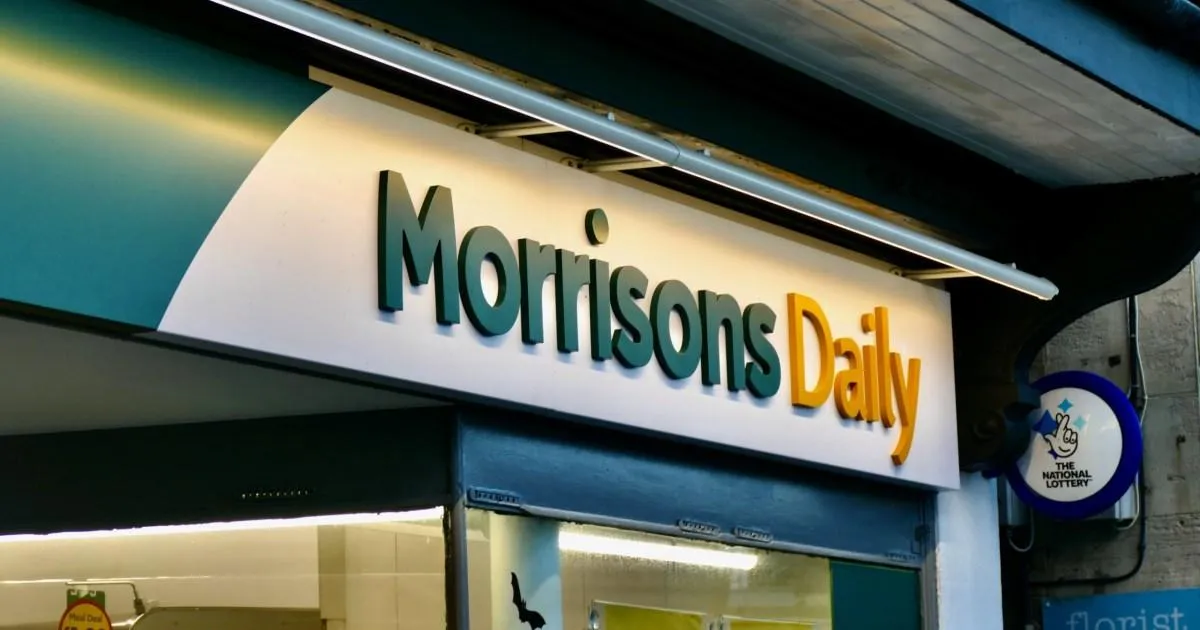
The British high street is bracing for another significant shift as Morrisons confirms it will shutter approximately 100 of its “Morrisons Daily” convenience stores over the coming months. These locations, primarily former McColl’s outlets acquired by the supermarket giant back in 2022, have been identified as the most financially challenging within the company’s vast network. While Morrisons remains a retail titan with 500 supermarkets and 1,700 convenience stores, this restructuring marks a painful contraction, with the company currently in active consultations with hundreds of staff members whose roles are now at risk.
For many local communities, these closures represent more than just a shrinking corporate footprint; they reflect a deeper struggle for viability in the modern retail landscape. Morrisons has been transparent about the reasons behind the move, citing stores that have remained loss-making despite management’s attempts to turn their performance around. The company pointed to the harsh reality of “significant cost increases resulting from government policy choices” as a primary factor in their decision. Essentially, these stores were struggling before the acquisition, and the current economic climate has made it impossible for them to remain sustainable in the long term.
A partial list of the affected branches has already been released, casting a shadow over neighborhoods from Hull and Middlesbrough to York and Bracknell. Notably, some of these locations also house essential community services like Post Office branches. Residents in towns such as Woodley and Crown Wood now face the dual challenge of losing both a convenient place to shop and a vital hub for postal services. While there is talk of the Post Office seeking alternative local partners, the disruption to daily routines in these communities is undeniable, turning a corporate decision into a very personal inconvenience for local residents.
Despite the gloom surrounding these specific closures, Morrisons insists this is a strategic “right-sizing” rather than a retreat. The company maintains that its convenience business remains a core pillar of its future growth. By pruning the underperforming branches gathered from the McColl’s acquisition, they aim to sharpen their focus on sites that genuinely serve their customer base effectively. They are framing this as a necessary, if difficult, culling of the weakest links so that the rest of the business—which employs roughly 95,000 people—can move forward on a more stable financial footing.
This development is merely one symptom of a much broader, persistent crisis on the UK high street. From restaurant chains like Franco Manca and The Real Greek to retail staples like GAME and WHSmith, the frequency of closures has become a depressing constant for shoppers. Even household names like Beefeater and Brewers Fayre are navigating mass closures, and smaller, beloved businesses—such as the 89-year-old Coughlans Bakery—are finding the current economic environment insurmountable. It is a stark reminder that even with deep pockets, many businesses are finding the high street increasingly difficult to navigate.
Ultimately, as Morrisons continues its shift toward new franchise openings and sustainable models, the communities losing their local shops are left to adjust to a changing map. While the shift is intended to protect the health of the wider brand, the human cost of these closures—lost jobs for staff and the disappearance of familiar local amenities for shoppers—is a significant part of the story. As the retail sector continues to evolve, the challenge for the industry will be balancing the need for corporate survival against the vital role these storefronts play in the fabric of everyday British life.