

The Changing Face of Britain’s High Streets: Lloyds Banking Group’s Branch Closures
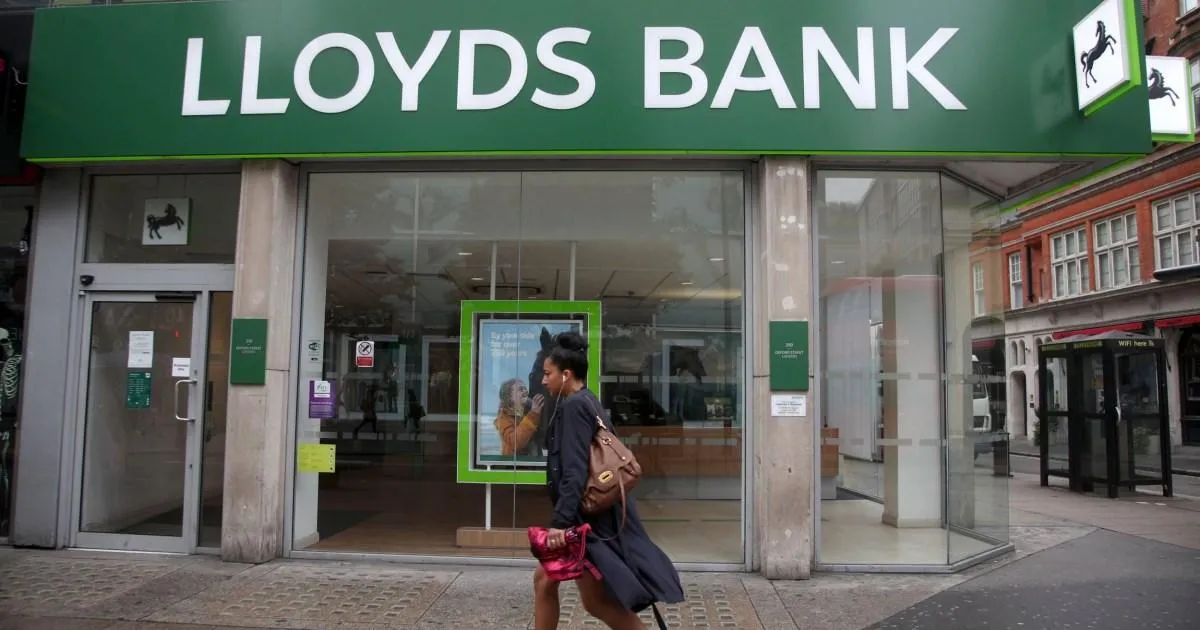
The familiar sight of the black horse emblem on Britain’s high streets is becoming increasingly rare, as Lloyds Banking Group has confirmed its intention to close an additional 250 branches by the end of 2027. This announcement represents another significant chapter in the ongoing transformation of how Britons manage their finances, moving away from the traditional brick-and-mortar banking model toward an increasingly digital-first approach. For countless communities across the United Kingdom, these closures signal more than just the loss of a place to deposit cheques or withdraw cash; they represent the disappearance of trusted local institutions that have served as cornerstones of their neighbourhoods for generations. The scale of these closures is staggering when one considers that over twenty Lloyds Bank branches shuttered their doors in October alone, with an additional thirty-one locations having already closed earlier in the year. The ripple effects extend far beyond the immediate inconvenience of finding a new place to bank, touching on issues of social isolation, financial inclusion, and the very character of British town centres that have already been battered by years of retail decline and changing consumer habits.
The breadth of these closures spans not just the Lloyds Bank brand itself but also encompasses the group’s other well-known franchises, including Halifax and Bank of Scotland. This coordinated approach to consolidation suggests a strategic vision that prioritises digital banking channels over physical presence, a decision that will fundamentally reshape how millions of customers interact with their financial institutions. For many customers, particularly those in rural areas, smaller towns, and among older populations, this transition represents an unwelcome and potentially problematic shift. The closure of a local bank branch often means travelling significantly further distances to access essential banking services, which can be particularly challenging for those without reliable transportation or who face mobility issues. Furthermore, the loss of a local branch frequently impacts small businesses that rely on face-to-face banking relationships for their daily operations, from depositing cash takings to arranging business loans and seeking financial advice. The human dimension of these closures cannot be overstated, as bank branches have historically served as informal community hubs where neighbours meet, local news is exchanged, and a sense of place is reinforced.
Looking specifically at the immediate closures, the pattern reveals a geographic spread that touches communities from Swansea in Wales to Tyne and Wear in the northeast of England. The Gorseinon branch in Swansea has already closed its doors on November 2nd, followed quickly by closures in Accrington, Wallsend, and several other locations. Each of these closures has its own story, its own group of loyal customers who will now need to adapt to a new way of managing their finances. The November closures affect communities in Derbyshire, the West Midlands, Kent, Leicestershire, Merseyside, West Yorkshire, and North Yorkshire, with the final November closure taking place in Harrogate on November 19th. This unprecedented pace of closure means that communities across the country are being given very little time to adjust to the loss of their local banking services. The December closure of the Southampton branch adds yet another community to this growing list of places where the bank will no longer maintain a physical presence. For residents in these areas, the closure of their local branch represents not just an inconvenience but a fundamental change in their everyday lives and their relationship with their bank.
The planned closures for 2027 paint an equally concerning picture for communities across the country, with fourteen more Lloyds Bank branches scheduled to close throughout the first half of that year. The Sheffield High Street branch will be among the first to go in January 2027, followed by closures in Clevedon, Ebbw Vale, Street, and Honiton in March. The list continues with branches in Wednesbury, Heswall, Ringwood, Longton, Didcot, Hinckley, and Newmarket all scheduled for closure in March 2027, with Handsworth in Birmingham and Kirkby in Liverpool closing their doors in June of that same year. Notably, these closures come on the heels of the group’s decision to shut down the Halifax banking app, which was removed from online stores on October 31st. Halifax customers are now being directed to use the Lloyds app and bank with Lloyds instead, a move that some industry observers interpret as preparing the ground for the eventual elimination of the Halifax brand entirely. This consolidation of brands and services under the Lloyds umbrella represents a significant simplification of the group’s operations but comes at a considerable cost to customer choice and local banking presence.
The Halifax closures follow a similar pattern, with fourteen branches either already closed or slated for closure in the coming weeks. The Kingsland Dalston branch in London closed on November 2nd, followed by closures in Redcar, Llanelli, Ilford, and Leigh on subsequent days. The rest of November and December will see closures in Huyton, Clacton-on-Sea, Ealing, Hemel Hempstead, Wimbledon, Gateshead, High Wycombe, Milton Keynes, and Woking. The 2027 closures for Halifax include branches in Hillsborough, Tottenham, Mexborough, Armthorpe, Skelmersdale, and Cheetham Hill. These closures represent another erosion of the high street banking landscape that has been ongoing for years, with thousands of branches having disappeared across all major banks since the turn of the millennium. The timing of these announcements is particularly poignant given the broader context of high street decline, with numerous other retail and hospitality chains also closing locations throughout the year. From stationery chain Typo to the iconic HMV branch on London’s Oxford Street, which is closing due to rising rents, to TG Jones (formerly WH Smith) and the Beefeater and Brewers Fayre restaurant chains owned by Premier Inn, the British high street is undergoing a significant transformation that shows no signs of abating.
Yet beneath the statistics and closure dates lies a more profound human story about how we interact with our finances and our communities. For elderly customers who have built decades-long relationships with their local branch staff, the closure represents the loss of a trusted advisor who understood their financial needs and circumstances. For those who struggle with digital banking or lack reliable internet access, the closure of physical branches creates genuine barriers to managing their money effectively. The bank’s argument centres on changing customer behaviour, noting that the vast majority of transactions now occur through digital channels, with mobile banking apps and online services handling everything from bill payments to loan applications. Nevertheless, for the significant minority of customers who still rely on branch-based banking, the closures represent not just an inconvenience but a fundamental exclusion from financial services. As these closures proceed over the coming months, communities will need to adapt to a new reality where their local bank branch may become a distant memory, replaced by digital alternatives that, while convenient for many, cannot fully replicate the personal service and community presence that physical branches have provided for over a century. The transformation of Lloyds Banking Group is ultimately a mirror of broader societal changes, reflecting both technological advancement and the challenging economics of maintaining physical infrastructure in an increasingly digital age, but it leaves in its wake questions about who is being left behind and what the future of British banking will look like for those who still value the personal touch.