

The tragic passing of 14-year-old Max Hall, a bright and vibrant teenager from Corby, Northamptonshire, has sent shockwaves through his community and ignited a difficult conversation about the medical system. Max, described by those who knew him as a “sporty lad” with a smile that could illuminate any space, lost his life this past Saturday following a courageous battle with a high-grade glioma—a devastating Stage 4 brain tumour. His death comes just months after an initial diagnosis that arrived far too late, leaving his family to grapple with the unimaginable agony of losing their “everything.”
For over a year leading up to his diagnosis, Max endured persistent, recurring headaches. His mother, Jackie, recalls the frustration of seeking help, only to have their concerns repeatedly minimized by medical professionals. Despite the longevity and severity of his symptoms, Max was consistently sent home from Kettering General Hospital with nothing more than ibuprofen, under the assumption that his pain was merely a byproduct of “teenage migraines.” In hindsight, his family believes that these missed opportunities for a scan represented a critical failure in care, one that allowed an aggressive illness to grow unchecked until it was far beyond the reach of modern medicine.
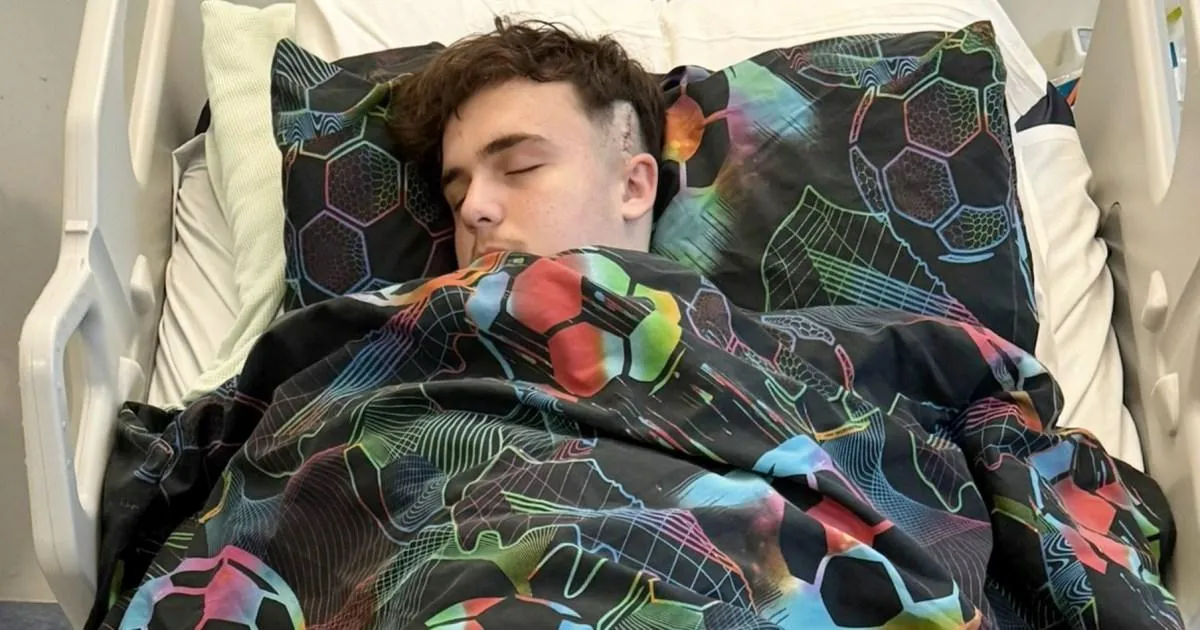
The reality of his condition became undeniable just six days after his 14th birthday, when Max suffered a severe seizure. He was rushed to the hospital and immediately placed on life support, a jarring and traumatic turn of events for a family that had been told his pain was manageable. The subsequent diagnosis of a Stage 4 brain tumour was a blow that no parent should ever have to endure. For Max’s parents, the heartbreak is compounded by the knowledge that their son’s early warning signs were treated with such casual dismissal, leading his mother, Jackie, to become a passionate advocate for increased research and better diagnostic protocols for childhood brain tumours, which she notes have remained tragically underfunded for far too long.
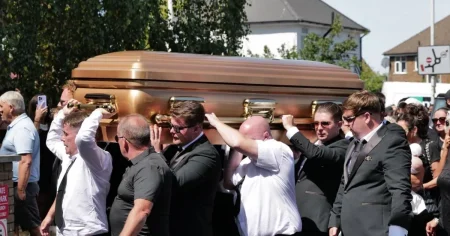
In the wake of his passing, the outpouring of love from the community has served as a testament to the kind of boy Max was. His family released a moving tribute, speaking of a love that was “deeply and fiercely” felt, promising that his story would not end with his death. They have pledged to keep his memory alive, ensuring that his name is spoken and his beautiful smile is never forgotten. It is a heartbreaking reminder of the fragility of life and the immense, irreplaceable space that a child occupies in the hearts of those who raised them.
Max’s school, Weldon Village Academy, and local institutions like Corby Town FC have also stepped forward to honor his memory. To his teachers and classmates, he was a founding student and a symbol of warmth, while his peers in the sporting community remember him as a fighter who showed immense courage until his very last breath. These tributes highlight a young life defined by kindness and community connection, underscoring the deep void left behind in the corridors of his school and the playing fields of his hometown.
Ultimately, Max Hall’s story is a profound call to action and a deeply human tragedy. As his family navigates their grief, they are also turning their pain into purpose, hoping that by sharing Max’s story, they can spare other families from the same devastating experience. His legacy will be measured not just in the lives he touched during his fourteen years, but in the changes his family hopes to bring about within the healthcare system. Max will be remembered as more than just a medical statistic; he was a beloved son, a loyal friend, and a courageous young man whose light, though extinguished too soon, continues to inspire those left behind to push for a world where no child’s concerns are ever dismissed again.