


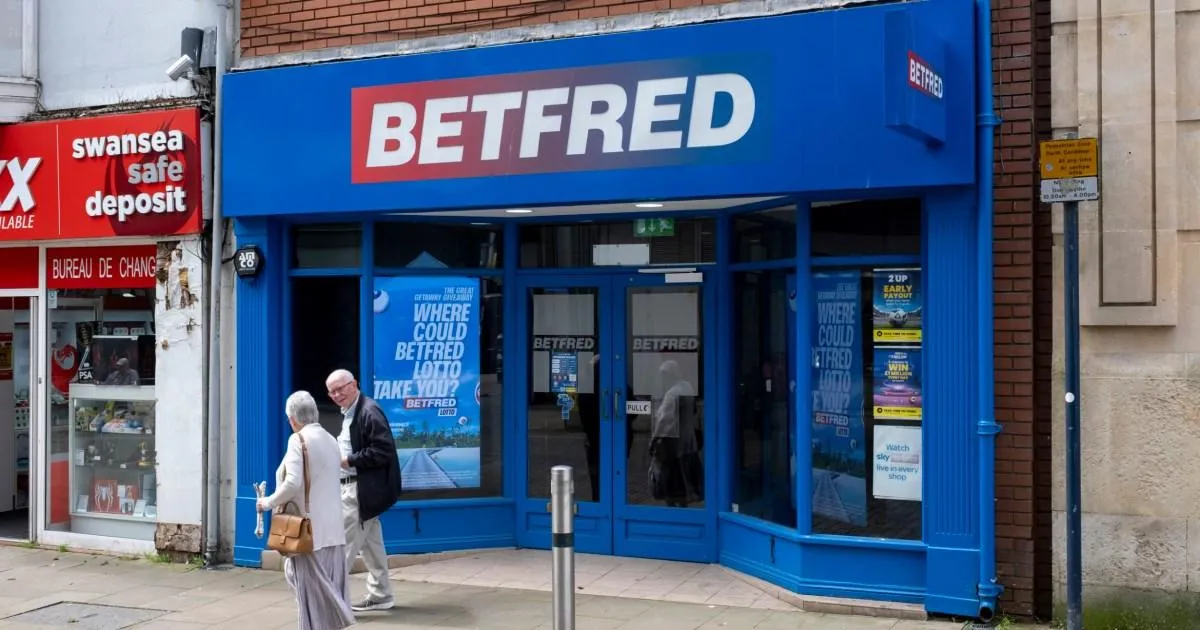
The high street is witnessing yet another painful transformation as Betfred, one of the UK’s most recognizable names in sports betting, prepares to pull the shutters down on 132 of its shops. This move represents a significant contraction for the business, effectively closing more than one in ten of its physical locations and resulting in the loss of 600 jobs starting this September. For a company that has been a fixture of British towns since Fred and Peter Done opened their first shop in Warrington back in 1967, this is a somber milestone. The decision marks the end of an era for these specific branches, leaving staff and loyal local customers to face the stark reality of a shifting retail landscape that is becoming increasingly difficult for traditional bookmakers to navigate.
The roots of this decision trace back to a broader, high-stakes battle over taxation and economic viability. Fred Done, the company’s founder, has been vocal about his concerns, describing recent government tax hikes as the most existential threat his 57-year-old business has ever encountered. His public warnings followed comments from former Chancellor Rachel Reeves, who suggested that gambling firms needed to pay what she described as their “fair share.” This sentiment was echoed by former Prime Minister Gordon Brown, who advocated for using increased gambling levies to fund initiatives aimed at tackling child poverty. However, as the political rhetoric has turned into legislative reality, the burden of these costs has landed squarely on the shoulders of businesses like Betfred, which are now scrambling to adjust their operations to survive.
The financial pressure is coming from all sides, creating a “perfect storm” that goes beyond just gambling-specific levies. In the most recent Budget, the government introduced measures to hike remote gaming duty from 21% to 40%, while also signaling a new 25% tax on online sports betting to be implemented by 2027. These changes are compounded by the broader economic climate, which includes rising wage inflation and significant increases in employer national insurance contributions. For a business that relies on high-volume, low-margin foot traffic in local shops, these added costs act as a barrier to profitability. The reality is that the regulatory environment has moved faster than many of these legacy companies can adapt, forcing them to treat their physical store estates as a liability rather than an asset.
Jo Whittaker, the chief executive of Betfred, expressed the weight of this decision with a tone that reflects the human toll behind the corporate announcements. She emphasized that the company had fought to keep these sites open, attempting to shield staff from the reality of the current economic environment. However, when faced with the combined pressure of soaring operating costs and an increasingly hostile fiscal landscape, the math simply stopped adding up. Whittaker’s words highlight the internal struggle of leadership, noting that these were well-managed shops staffed by committed individuals. Despite their best efforts, the company concluded that it was impossible to maintain their current footprint, turning the focus now toward supporting the employees who are being displaced by these closures.
It is worth noting that Betfred is far from alone in this struggle; in many ways, they are following a well-trodden path that has seen the traditional bookmaker retreat from the high street. Rivals like Paddy Power and William Hill have spent the last few years engaged in similar, painful restructuring. Paddy Power previously confirmed the closure of 57 shops, and Evoke, the owner of William Hill, has explicitly cited changes to gambling taxes as the primary driver behind its need to act “quickly and decisively” to slash overheads. The consolidation of the betting industry is a clear indicator that the glory days of the neighborhood bookmaker—a place where people would walk in, place a bet, and chat with the staff—are being superseded by a digital-first world and a government strategy that views these firms as a primary source of tax revenue.
As these 132 shops prepare to shut their doors, the impact on the local community is palpable. Betting shops have long served as a peculiar, often overlooked hub for social interaction in many town centers, and losing them changes the texture of the street. While the government and policymakers argue that these taxes are necessary for the greater good, the collateral damage is felt by the workers who have lost their jobs and the regulars who have lost a routine part of their day. Ultimately, this story serves as a reflection of the wider challenges facing the British high street: a landscape where legacy brands are struggling to reconcile their physical presence with a volatile modern economy, leaving behind a trail of empty storefronts and the difficult task of reinventing themselves for an uncertain future.