



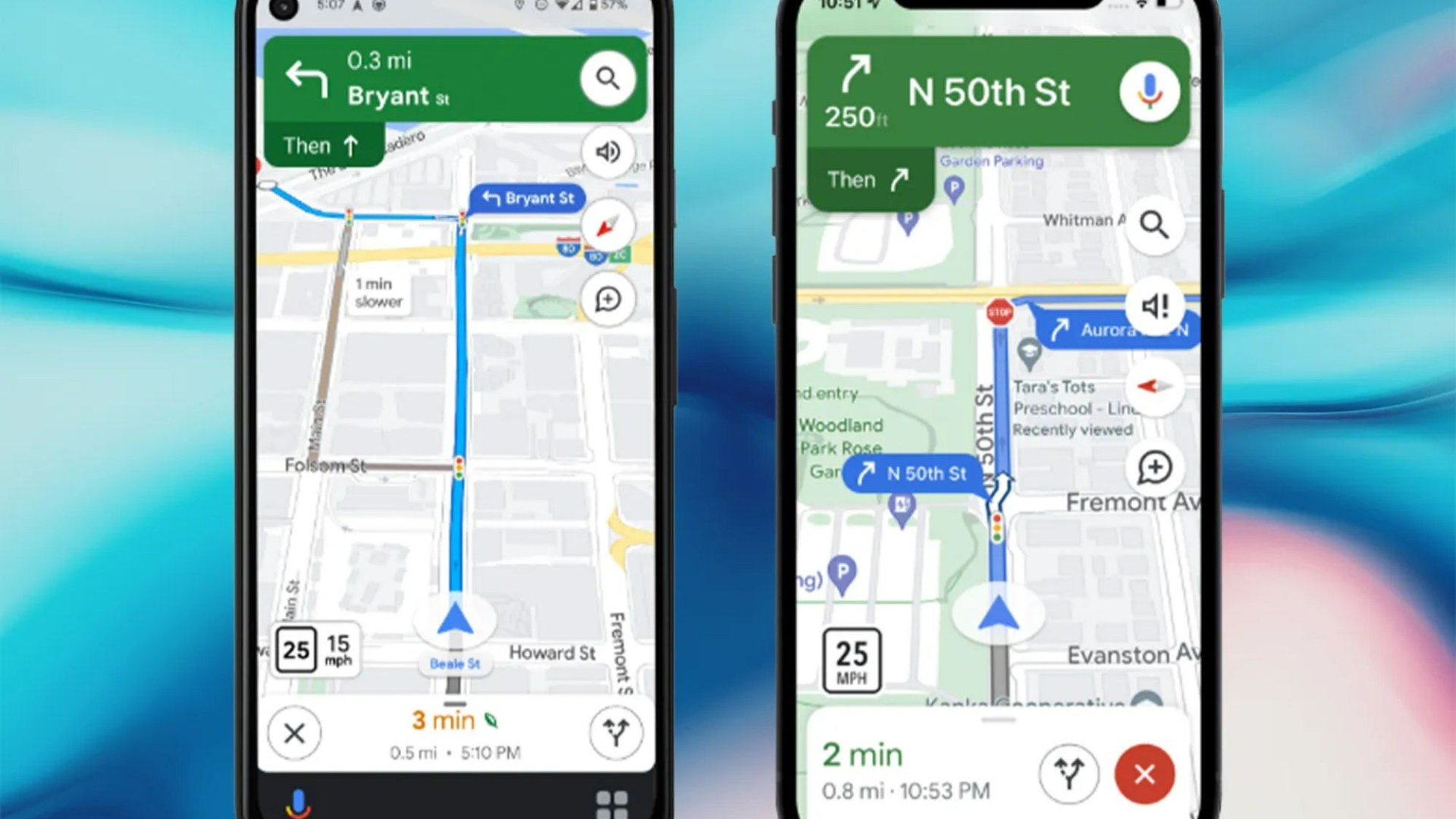
Google Maps Timeline, a feature that chronicles users’ location history and allows them to revisit past routes and destinations, is slated for discontinuation on June 9, 2025. This means that the extensive trove of location data accumulated by users, documenting their travels and explorations, will be deleted unless proactively saved before the deadline. The Timeline feature, initially known as Location History, leverages GPS data to reconstruct past journeys, allowing users to recall specific locations like restaurants visited or hidden gems discovered during their travels. The impending shutdown has been communicated to users via email, urging them to download their Timeline data to their Android or iPhone devices to preserve it.
The decision to retire Timeline follows Google’s strategic shift towards a more privacy-centric approach to location data handling. In 2023, Google initiated the transition of Timeline from a cloud-based service to an on-device feature. This change aims to enhance user privacy by storing location data directly on the user’s device rather than on Google’s servers. While this move bolsters security against potential breaches and unauthorized access, it also places the onus of data management on the user. Post-June 9, 2025, users will need to actively save each Timeline entry to their smartphones, consuming valuable storage space on their devices.
The transition to on-device storage also introduces limitations on the retention period of Timeline data. Only the most recent 90 days of location history will be automatically migrated to the user’s device after the deadline. Any location data older than three months will be permanently deleted unless individually saved beforehand. This underscores the importance of proactively downloading and preserving any Timeline data deemed valuable by the user before the June 9, 2025, deadline. Failure to do so will result in the irreversible loss of historical location information.
The deprecation of the cloud-based Timeline feature has already been implemented on the Google Maps website, where the functionality is no longer available. However, the feature remains accessible within the Google Maps mobile app, providing users with a window of opportunity to save their data. Initially scheduled for termination on December 1, 2023, the Timeline feature received a six-month extension, giving users more time to prepare for the transition. This extension allows users to familiarize themselves with the new data management process and ensure the preservation of their valuable location history.
To safeguard their Timeline data, Android users can follow a straightforward process within the Google Maps app. By navigating to the “You” tab, selecting “Explore Timeline,” and proceeding through the prompts, users can choose the desired timeframe for data retention on their device. The app also offers the option to continue sharing anonymized user data with Google, contributing to the improvement of mapping services. This data sharing, however, is optional and can be disabled if preferred. The process allows users to customize the amount of location data stored on their device, balancing preservation with storage space considerations.
The impending shutdown of Google Maps Timeline highlights the evolving landscape of data privacy and management in the digital age. While cloud-based services offer convenience and accessibility, they also raise concerns about data security and user control. The shift towards on-device storage empowers users with greater autonomy over their personal data, but introduces the responsibility of active data management and potential storage limitations. The transition requires users to be proactive in safeguarding their data and adapting to the changing dynamics of location tracking services. The case of Google Maps Timeline serves as a reminder of the importance of understanding data management policies and taking the necessary steps to preserve valuable information in an increasingly digital world.