

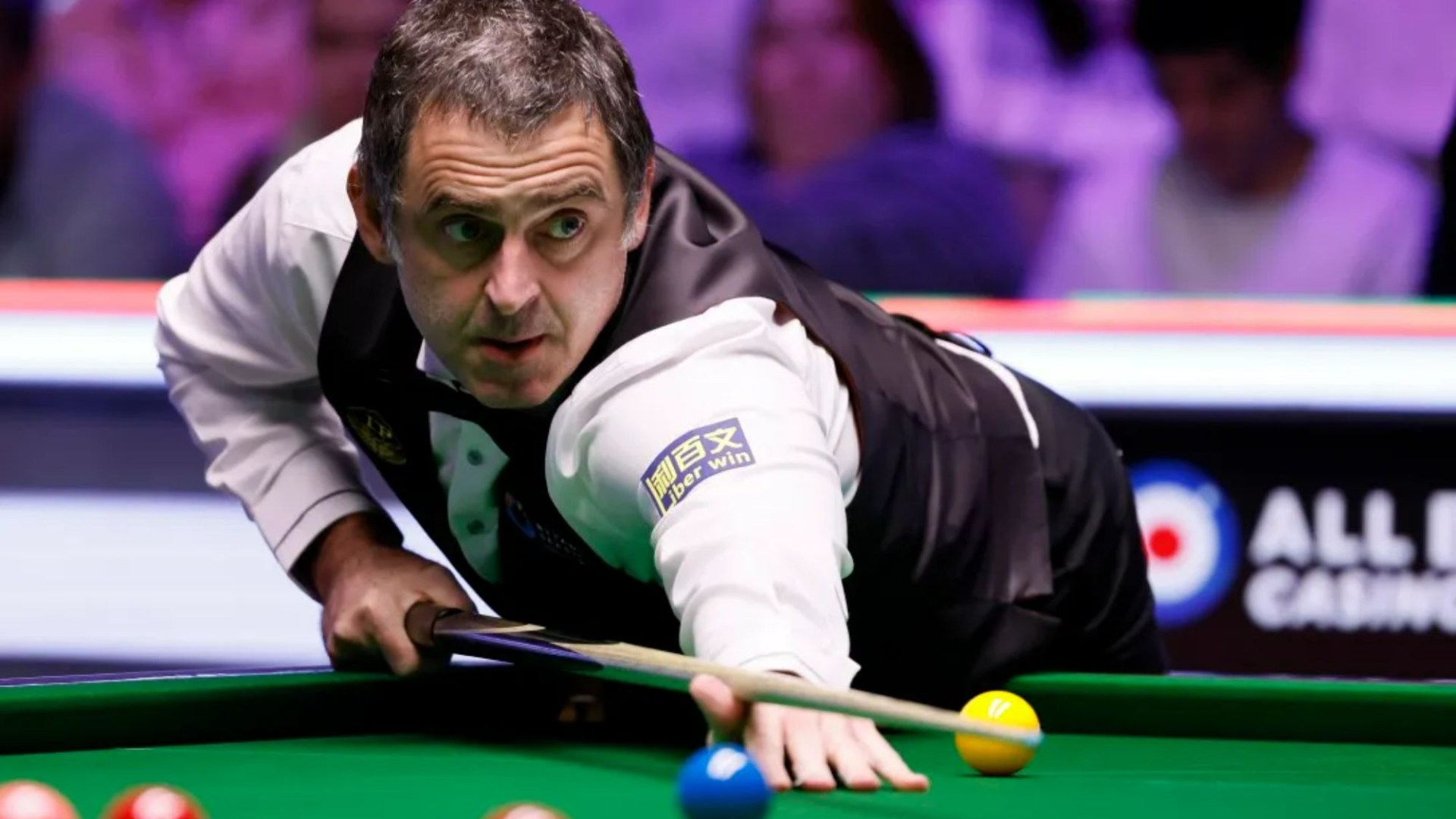
Ronnie O’Sullivan, the enigmatic snooker legend, finds himself at a fascinating juncture in his illustrious career. Approaching the age of 50, he experiences a renewed passion for the game, a sentiment he hasn’t felt since his early teens. Despite recent inconsistencies in his performance, marked by eight defeats in 21 matches this season and early exits from tournaments where victory seemed within grasp, O’Sullivan’s enthusiasm for snooker burns brighter than ever. This resurgence of passion contrasts sharply with his feelings last year when, despite winning five tournaments, he felt a sense of weariness and a lack of enjoyment. He describes a period of stage fright, hesitant shots, and an overall disconnection from the game. However, after taking a break and reassessing his approach, O’Sullivan has rediscovered the joy of playing, a feeling that transcends mere wins and losses.
O’Sullivan’s current form presents a compelling paradox. While his overall match win rate has dipped, his enjoyment of the game has soared. He acknowledges that his recent performances have been “too open,” leaving him vulnerable in safety battles, a crucial aspect of high-level snooker. He admits to not making his opponents work hard enough for their points, a tactical error that has cost him dearly. Yet, despite these shortcomings, O’Sullivan remains remarkably unfazed. He attributes this tranquility to his understanding of his career stage. Being in the latter part of his professional journey, the pressure to perform has diminished, allowing him to embrace the pure pleasure of playing without the weight of expectation.
This newfound perspective allows O’Sullivan to approach the game with a refreshing sense of liberation. He’s no longer burdened by the anxieties that plagued him last year. The fear of losing, the pressure to maintain his legendary status—these concerns have faded, replaced by a simpler, more intrinsic motivation: the sheer joy of potting balls and competing. This shift in mindset has not only rekindled his love for the sport but has also, paradoxically, improved his performance. He’s playing with more freedom, unburdened by the shackles of self-doubt, resulting in a more fluid and natural style of play.
The Riyadh Season Snooker Championship, featuring the return of the 20-point Gold Ball and the tantalizing prospect of a $1 million bonus for a 167 break, provides a fitting stage for O’Sullivan’s resurgence. This tournament, held in Saudi Arabia, underscores the global appeal of snooker and the enduring star power of O’Sullivan. The establishment of a snooker academy in Riyadh bearing his name further solidifies his legacy within the sport. However, O’Sullivan’s pragmatic nature shines through when discussing the possibility of a similar academy in the UK. He acknowledges the financial challenges involved, highlighting the significant costs associated with rent, equipment, and staff. He humorously notes that funding such a venture on a snooker player’s salary would likely lead to financial ruin.
O’Sullivan’s journey highlights the cyclical nature of passion and performance in professional sports. His recent struggles, coupled with his renewed enthusiasm, illustrate that these two elements are not always directly correlated. Sometimes, a step back and a period of reflection can reignite the spark that drives an athlete, leading to a more fulfilling and, potentially, even more successful experience. O’Sullivan’s story serves as a reminder that even for legends, the journey is as important as the destination. The rediscovery of joy in the game can be as valuable, if not more so, than the pursuit of trophies and accolades.
In conclusion, Ronnie O’Sullivan’s current state reflects a compelling paradox. While his recent form hasn’t been at its peak, his enjoyment of the game has reached a level unseen since his youth. This renewed passion, coupled with a more relaxed approach to competition, suggests that O’Sullivan is far from finished. He may not be the dominant force he once was, but his love for the game, combined with his undeniable talent, ensures that he remains a captivating figure in the world of snooker. His story is a testament to the enduring power of passion and the transformative effect it can have on an athlete’s journey. Only time will tell what the future holds for the Rocket, but one thing is certain: he will continue to play the game he loves, with a renewed sense of purpose and a smile on his face.