


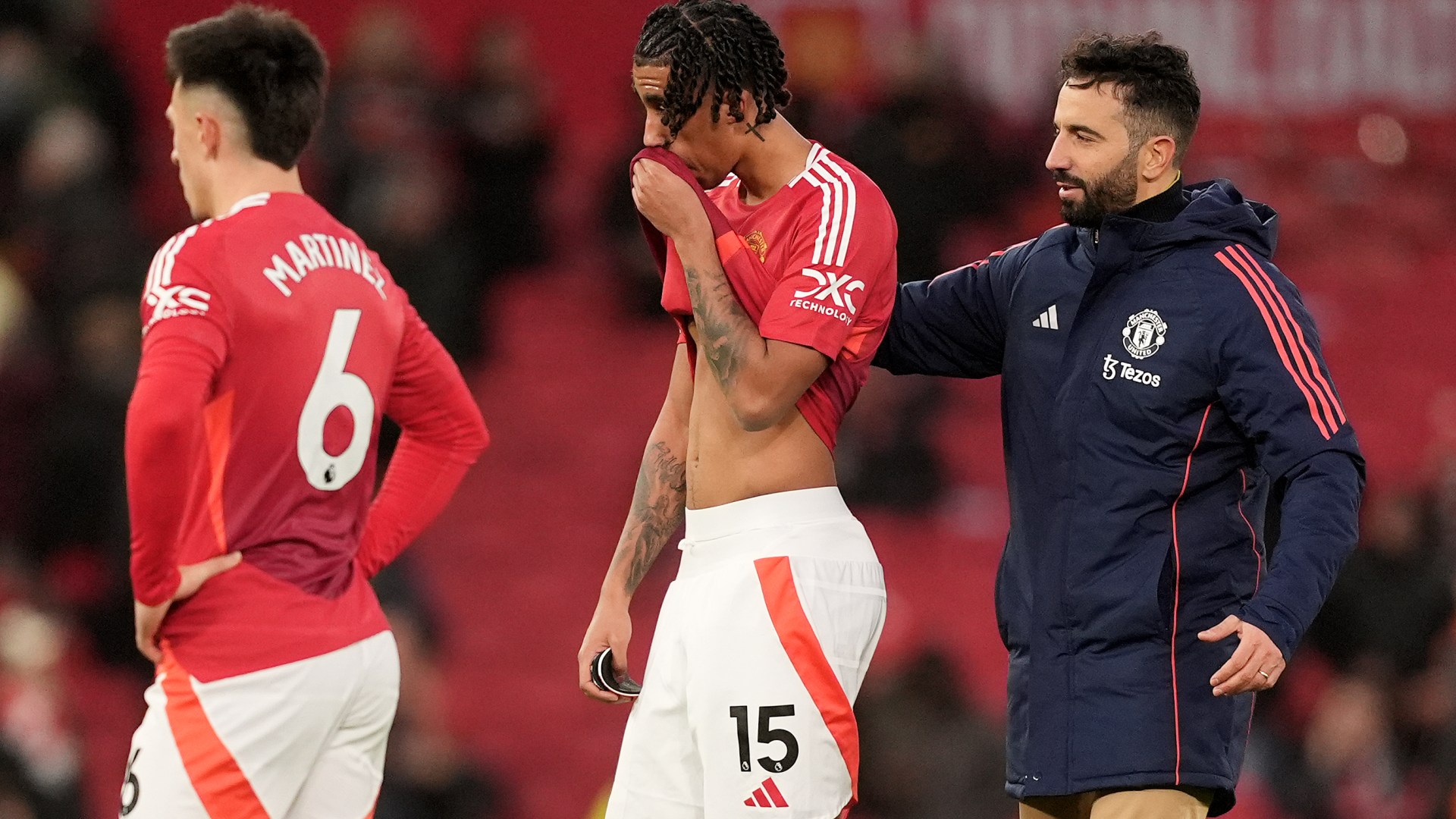
Manchester United’s dismal 3-0 home defeat to Bournemouth has deepened their woes and etched two unwanted records into the club’s history. The loss, marked by goals from Dean Huijsen, Justin Kluivert, and Antoine Semenyo, saw the Red Devils plummet to 13th in the Premier League table, their lowest position at Christmas in the Premier League era. This humiliating result underscores the magnitude of the challenge facing new manager Ruben Amorim, who inherited a team reeling from their worst ever start to a Premier League campaign. The defeat to Bournemouth also represents Amorim’s heaviest since taking the reins at Old Trafford, adding another layer of concern to an already turbulent season.
Beyond the immediate implications of the loss, the match highlighted a persistent vulnerability that has plagued Manchester United throughout the year: defending set-pieces. Bournemouth’s goals exposed this fragility once again, contributing to a damning statistic: United have conceded 17 goals from set-pieces (excluding penalties) in the Premier League this calendar year, the highest tally in their Premier League history. This recurring weakness has undoubtedly played a significant role in their struggles and underscores the urgent need for improvement in this area. The inability to defend set-pieces not only directly leads to conceded goals but also undermines the team’s confidence and overall performance.
Amorim, in his post-match analysis, acknowledged the psychological impact of this persistent weakness. He pointed to the nervousness within the team, particularly when defending set-pieces, suggesting that the pressure of the situation is affecting their ability to execute. This nervousness, coupled with the weight of expectation at Old Trafford, appears to be compounding their difficulties. Amorim’s comments reflect a manager grappling with the complexities of a team struggling to find its footing and overcome its vulnerabilities. He emphasized the difficulty of building momentum and securing consecutive wins in the current context, highlighting the team’s fragile state.
The manager’s assertion that the team “controlled” portions of the match, creating “clear chances,” rings hollow in the face of the final scoreline. While United may have enjoyed periods of possession and created opportunities, their inability to convert those chances and their susceptibility to set-pieces ultimately defined the game. The penalty conceded in the second half further compounded their woes, effectively sealing the defeat and deepening the sense of frustration. Amorim’s statement that “everything is hard on us” encapsulates the current atmosphere at Old Trafford: a team burdened by pressure, struggling with confidence, and seemingly unable to break free from a cycle of negative results.
The two unwanted records broken in this match – the lowest Christmas-time league position and the highest number of set-piece goals conceded in a calendar year – paint a stark picture of Manchester United’s current predicament. These statistics are not merely isolated incidents but rather symptomatic of deeper issues within the squad. The inability to defend set-pieces, the nervousness under pressure, and the difficulty in converting chances all point to a team lacking cohesion and confidence. These deficiencies, coupled with the weight of expectation that comes with playing for Manchester United, create a challenging environment for Amorim and his players.
Moving forward, addressing the set-piece vulnerability must be a top priority for Amorim. Beyond the tactical adjustments, he also needs to restore the team’s confidence and instill a sense of resilience. The psychological impact of conceding goals from set-pieces cannot be underestimated, and Amorim needs to find a way to help his players overcome this mental hurdle. The task ahead is daunting, but turning the tide requires a combination of tactical improvements, psychological bolstering, and a renewed sense of belief. The upcoming matches will be crucial for Manchester United to regain their footing and begin to climb back up the table. The pressure is on Amorim and his players to deliver results and begin to rewrite the narrative of this disappointing season.