


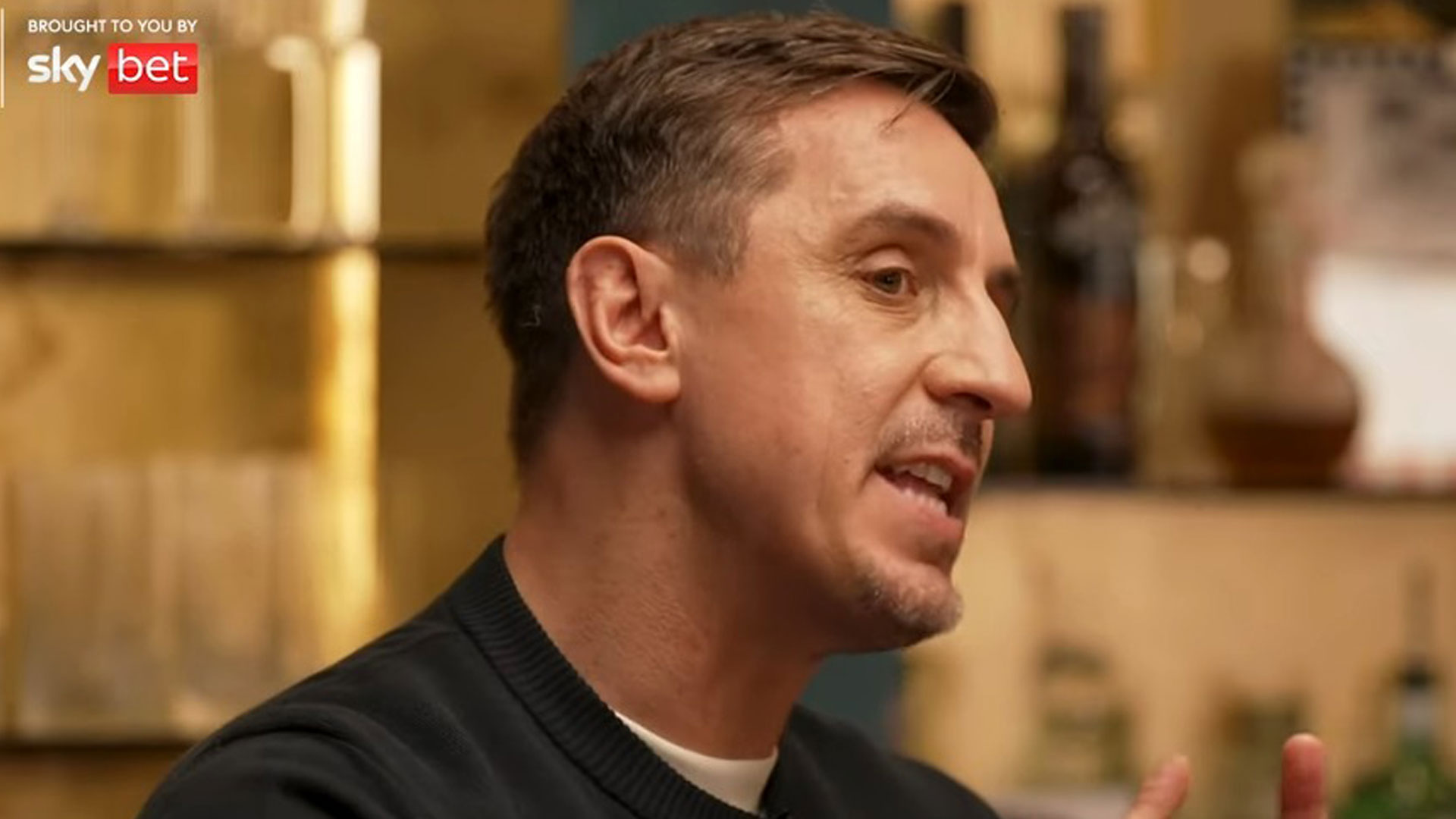
Gary Neville, the Manchester United legend and outspoken football pundit, found himself in an awkward situation following his harsh criticism of former Liverpool goalkeeper Loris Karius. Neville had publicly declared that Liverpool would never win the Premier League with Karius in goal, a particularly stinging assessment delivered just months before the German keeper’s infamous errors in the 2018 Champions League final against Real Madrid. These errors, including a misplaced pass that led to Karim Benzema’s opening goal and a fumble on Gareth Bale’s powerful shot, effectively sealed Karius’s fate at Liverpool and fueled Neville’s critical narrative. What Neville didn’t know at the time was that Karius had suffered a concussion during the match following a collision with Real Madrid captain Sergio Ramos, a factor that likely contributed to his subpar performance.
Neville’s critique, while seemingly justified at the time based on the visible performance, gained a different light in retrospect with the revelation of Karius’s concussion. Months after the Champions League final and his own pronouncements on Karius’s abilities, Neville unexpectedly encountered the German keeper in a gym during a trip to Italy. Anticipating a potential confrontation given the severity of his public statements, Neville braced himself for a negative reaction. To his surprise, Karius responded with remarkable composure and professionalism. Instead of lashing out or expressing resentment, Karius simply shook Neville’s hand and greeted him respectfully.
This unexpected display of grace left Neville feeling deeply ashamed of his previous comments. The stark contrast between his own harsh judgment and Karius’s dignified response highlighted the potential for punditry to oversimplify complex situations, particularly when the full picture isn’t readily available. The encounter served as a humbling experience for Neville, underscoring the importance of considering all factors before delivering public pronouncements, especially those that can significantly impact a player’s career and well-being. The incident also revealed a different side of Karius, showcasing his resilience and ability to handle criticism with maturity.
The aftermath of the 2018 Champions League final saw Liverpool invest heavily in a new goalkeeper, Alisson Becker, who arrived for a then-record fee of £67 million. Alisson’s arrival signaled the end of Karius’s time at Anfield, with the German keeper subsequently embarking on loan spells at Besiktas and Union Berlin before eventually departing Liverpool permanently. Alisson’s impact was immediate, playing a crucial role in Liverpool’s Champions League triumph in 2019 and their long-awaited Premier League title victory in 2020, seemingly validating Neville’s earlier assessment of the goalkeeping position’s importance.
While Alisson’s success solidified Liverpool’s goalkeeping situation, Karius’s career trajectory took a different turn. Following his loan spells, he spent two seasons at Newcastle United, largely serving as a backup and making only two appearances. Currently a free agent, Karius faces an uncertain future, his career marked by the unfortunate events of the 2018 Champions League final and the subsequent scrutiny he faced. The incident with Neville, however, revealed a different facet of his character, showcasing his poise and ability to handle difficult situations with grace.
The encounter between Neville and Karius serves as a poignant reminder of the human element in football. While the sport is often analyzed and dissected through statistics and tactical breakdowns, the personal stories and experiences of the players involved should not be overlooked. Neville’s reflection on his interaction with Karius highlights the responsibility that comes with public commentary and the importance of empathy and understanding, especially when dealing with the pressures and challenges faced by professional athletes. It also underscores the resilience and character of Karius, who, despite facing significant adversity, maintained his composure and responded with dignity in a potentially awkward and confrontational situation.