


The escalating cost of living crisis is driving Premier League fans to seek counterfeit merchandise, creating a surge in demand for fake football shirts as Christmas approaches. An analysis of online search data reveals a dramatic increase in searches for knock-off jerseys, indicating a growing trend among supporters struggling to afford official club merchandise. Between September and early December, over 48,500 searches were made for counterfeit Premier League shirts, a stark contrast to the mere 4,230 searches recorded from January to August. This surge underscores the financial pressures faced by fans, particularly during the festive season when gift-giving traditions strain already tight budgets. The allure of significantly cheaper counterfeit options becomes increasingly irresistible as families grapple with rising living expenses.
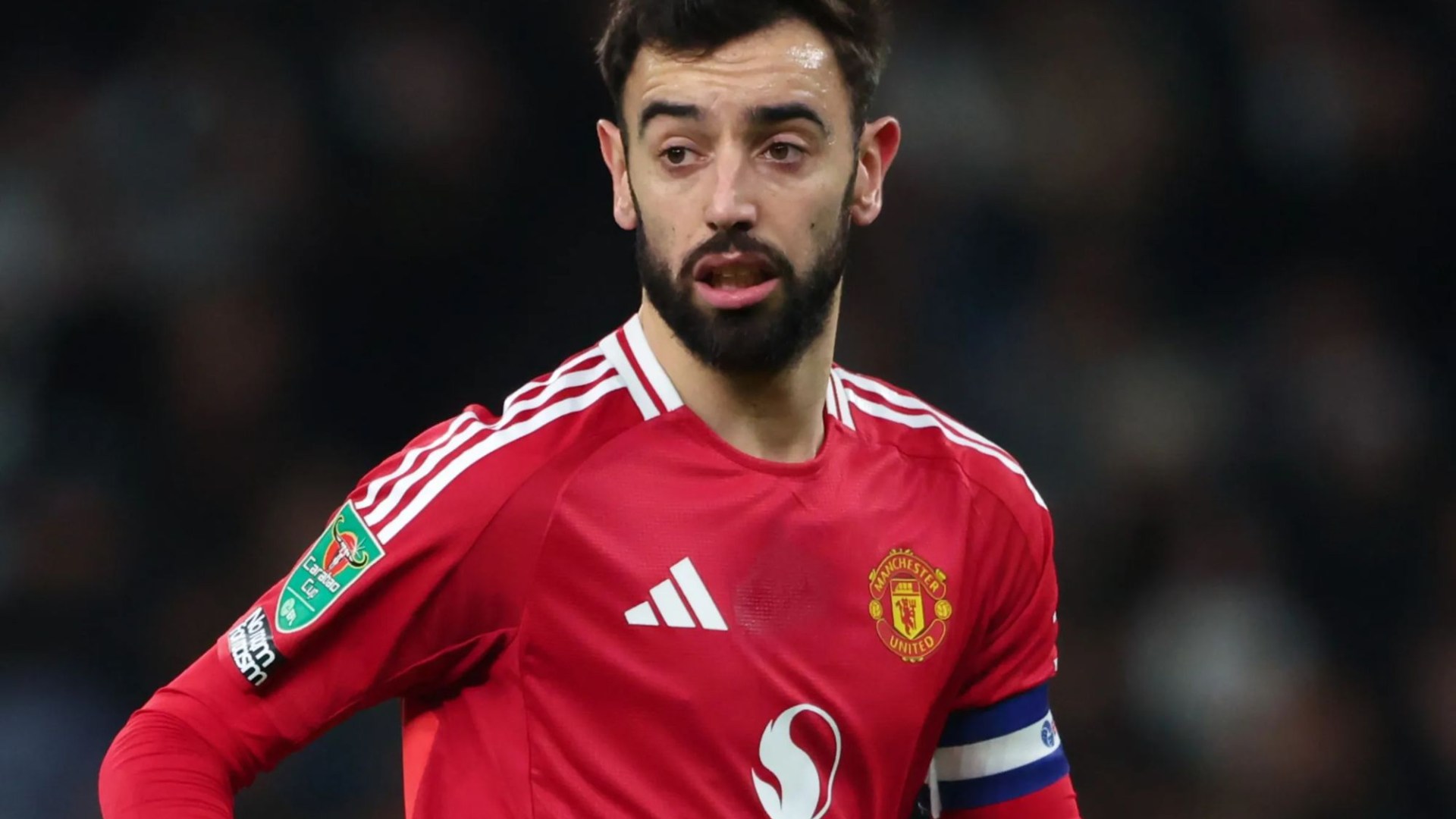
Manchester United shirts lead the counterfeit market, with over 17,730 searches recorded. The stark price difference between official and fake jerseys highlights the economic motivation behind this trend. While an official adult Manchester United home shirt costs £80, and the children’s version £55, counterfeit versions are readily available online for as little as £12. This substantial price discrepancy makes counterfeit options an appealing alternative for budget-conscious fans, especially those looking to purchase multiple shirts for family members. The disparity in cost amplifies the financial burden of supporting one’s team, forcing many to choose between authentic merchandise and other essential expenses.
The affordability gap is a key factor driving the demand for counterfeit shirts. For a family of four, purchasing official Premier League jerseys could easily exceed £370, a significant outlay for many households. Counterfeit websites, however, offer a drastically cheaper alternative, with a family set potentially costing around £50. This substantial price difference makes counterfeit goods an attractive option for families struggling to manage their finances during a period of economic hardship. The data suggests that many fans are prioritizing affordability over authenticity, opting for cheaper alternatives to participate in the cultural tradition of wearing team colours.
The surge in demand for counterfeit shirts is not limited to Manchester United. Arsenal, Newcastle United, Tottenham Hotspur, Liverpool, and Manchester City have also seen significant increases in searches for fake versions of their jerseys. Arsenal experienced a staggering 191% increase in searches for counterfeit shirts, followed by Newcastle United at 419%, Tottenham Hotspur at 184%, Liverpool at 169%, and Manchester City at 150%. This widespread increase across multiple clubs indicates a systemic issue related to the affordability of official merchandise, pushing fans towards the counterfeit market. The data highlights a growing trend among supporters to seek alternative ways to display their team loyalty without incurring the high costs associated with official products.
Experts warn that this trend poses a significant financial challenge for football clubs, as the sale of official merchandise contributes significantly to their revenue streams. The proliferation of counterfeit goods undermines this revenue stream, potentially impacting clubs’ ability to invest in players, facilities, and community programs. Beyond the financial implications, the prevalence of counterfeit merchandise also raises concerns about intellectual property rights and the potential exploitation of workers involved in the production of these knock-off items. The long-term consequences of this trend could have far-reaching implications for the football industry as a whole.
The research highlights a growing dilemma for football clubs: balancing the need to generate revenue through merchandise sales with the affordability concerns of their fans. As the cost of living continues to rise, clubs face increasing pressure to address the affordability gap and provide fans with more accessible options for supporting their teams. Finding a sustainable solution that allows fans to express their loyalty without resorting to counterfeit goods is crucial for the long-term health and financial stability of the football industry. This may involve exploring alternative pricing strategies, offering a wider range of merchandise options at different price points, or implementing stricter measures to combat the production and distribution of counterfeit products.