


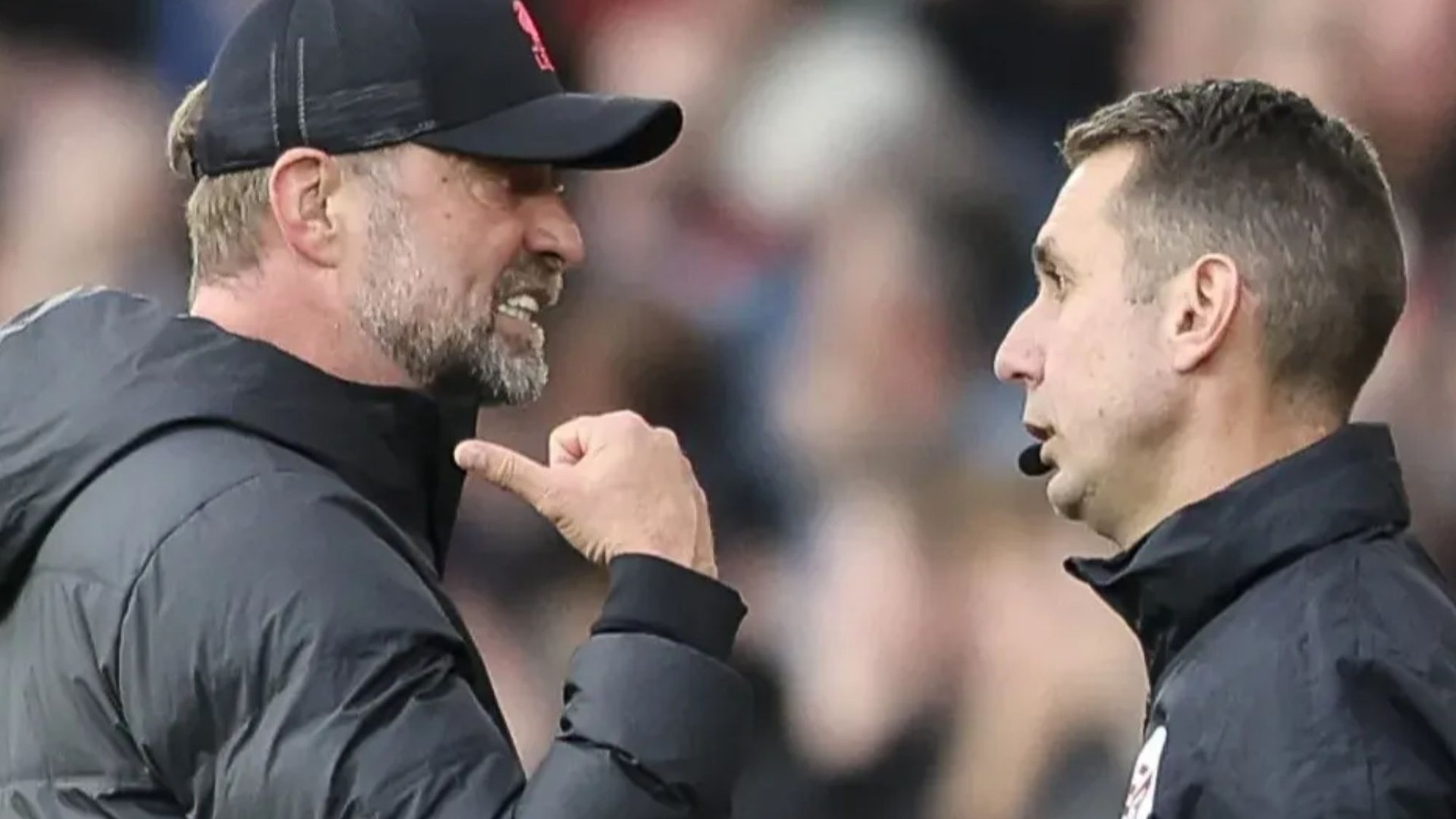
David Coote, a formerly prominent referee in the football world, has issued a tearful and contrite apology for offensive remarks captured on video several years ago. The video, which recently surfaced publicly, shows Coote using derogatory and xenophobic language towards former Liverpool manager Jürgen Klopp, referring to him as a "German c***." He also made disparaging comments about Liverpool defender Andy Robertson and predicted the team’s failure to win the Premier League. Coote expressed deep regret for his words and acknowledged that they fell far short of the standards expected of a top-level referee. He claimed that the video was recorded over four years prior during the COVID-19 pandemic, a period of social isolation and restrictions, and admitted to being intoxicated at the time. Despite this, he acknowledged his awareness of being recorded. Coote expressed devastation upon learning of the video’s emergence and emphasized that the comments do not reflect his true views of Klopp, Robertson, or anyone else.
Coote’s apology attempts to contextualize his offensive remarks within the high-pressure environment of professional football. He described the industry as "tough" for everyone involved and noted that referees are often easy scapegoats when results don’t go as planned. He emphasized the lack of accountability for those who abuse referees and pointed out that, unlike players and managers, referees are expected to suppress their emotions during matches. This, he suggested, leads to a build-up of pressure and can result in regrettable outbursts. Coote portrayed himself as a human being who made a mistake under pressure and expressed remorse for his actions.
Coote’s actions and subsequent apology have ignited a debate about the pressures faced by referees in professional sports and the lack of recourse they have against abuse. The video, recorded during the height of the COVID-19 pandemic, reflects the unique pressures of that period. The global pandemic resulted in significant social isolation, and the restrictions on gatherings may have contributed to a sense of frustration and release for individuals. This, however, does not excuse Coote’s behaviour, but it does provide a backdrop against which his actions can be considered. The incident raises questions about the emotional toll of officiating high-stakes matches and the need for better support systems for referees.
Amal Fashanu, niece of Justin Fashanu, the first openly gay professional footballer, commended Coote’s courage in coming forward and apologizing. She acknowledged the potential impact on his career but pointed out that the level of fame for a referee is different than that of a player. Fashanu offered support and counseling from the Justin Fashanu Foundation, an organization dedicated to combating homophobia and supporting LGBTQ+ individuals in sports. She highlighted the Foundation’s work in providing mental health assistance, emphasizing the importance of addressing these issues within the football community. Fashanu also criticized the persistent homophobia within the football industry, questioning why individuals still feel unable to be their authentic selves in 2025, despite societal progress towards acceptance and inclusivity. Her comments highlight the ongoing challenges faced by LGBTQ+ individuals in football and the need for greater efforts to create a truly inclusive environment.
The incident involving David Coote serves as a reminder of the importance of addressing both the pressures faced by referees and the prevalence of discriminatory language within professional sports. It highlights the need for education and training to combat prejudice and promote respectful communication. Furthermore, it underscores the importance of providing support mechanisms for individuals within the industry, particularly referees, who often bear the brunt of criticism and abuse. Coote’s apology, while a necessary step, is only the beginning of a broader conversation about how to create a more inclusive and supportive environment within football.
The controversy also raises questions about how the video remained unreleased for over four years and the motivations behind its eventual surfacing. The timing of the release and the potential impact on Coote’s career warrant scrutiny. While the video undoubtedly reveals unacceptable behavior, the circumstances surrounding its emergence raise questions about potential agendas and the ethics of holding onto such material for an extended period. This incident highlights the complex dynamics within professional football, where reputations can be quickly tarnished and careers can hang in the balance. It emphasizes the need for transparency and accountability not only for those who make offensive remarks but also for those who possess and distribute such sensitive material.