


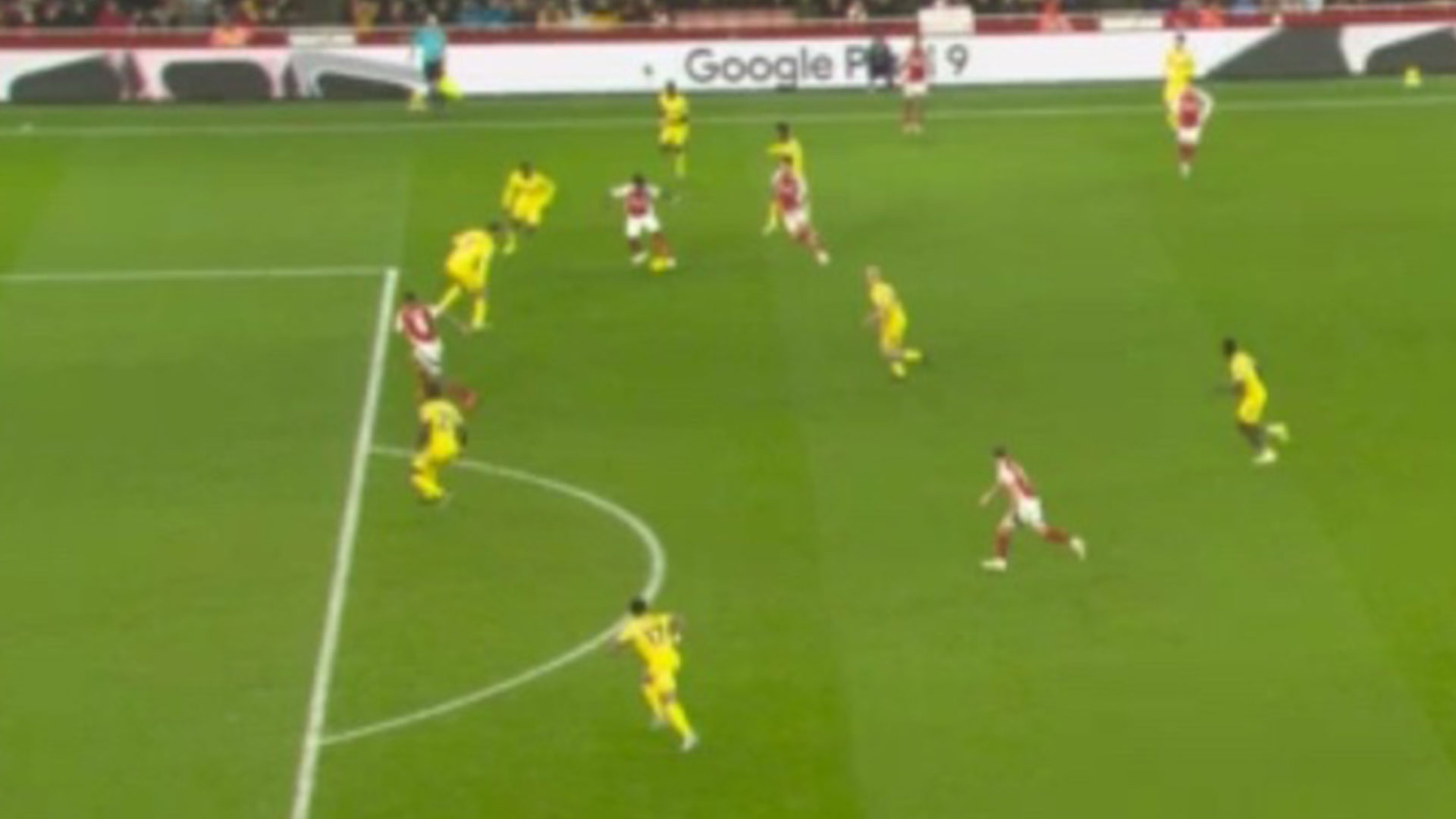
The Carabao Cup quarter-final clash between Arsenal and Crystal Palace ignited a firestorm of controversy surrounding Gabriel Jesus’s second goal in Arsenal’s 3-2 victory. While Jesus celebrated a hat-trick and secured Arsenal’s passage to the semi-finals, alongside Newcastle and Liverpool, the contentious goal overshadowed the thrilling encounter. Fans online erupted, claiming replays definitively showed Jesus in an offside position when Bukayo Saka threaded the through ball that led to the goal. The absence of VAR in the Carabao Cup until the semi-finals further fueled the debate, leaving no recourse for Crystal Palace to challenge the on-field decision. The incident added another layer of complexity to an already dramatic match, which saw goals from Jean-Philippe Mateta and former Arsenal player Eddie Nketiah for Palace.
The crux of the controversy revolved around the precise moment Saka released the pass to Jesus. While some argued that a Crystal Palace defender played Jesus onside, the prevailing sentiment among Palace supporters was one of outrage. They felt cheated, believing their team had been robbed of a fair result by a blatant offside error. The lack of VAR intervention only intensified their frustration, as they were left with no avenue to appeal the decision that ultimately proved decisive in the match. Social media platforms became a battleground of opinions, with fans dissecting the play frame by frame, each side clinging to their interpretation of the incident.
The controversy underscored the ongoing debate surrounding the use of VAR in football. While its proponents argue that it eliminates human error and ensures fairer outcomes, its critics point to instances where its implementation has been convoluted and disruptive to the flow of the game. The Carabao Cup’s decision to reserve VAR for the semi-finals placed the spotlight squarely on the linesman’s judgment, which, in this case, proved highly contentious. The incident reignited the discussion about the consistency and accuracy of officiating in football, highlighting the need for clear and universally applied standards.
Beyond the offside controversy, the match itself was a testament to the attacking prowess of both teams. Jesus’s hat-trick, punctuated by the disputed goal, showcased his finishing ability and reaffirmed his importance to Arsenal’s attacking setup. His goals were complemented by the efforts of Mateta and Nketiah for Crystal Palace, demonstrating their resilience and ability to compete with a strong Arsenal side. The five-goal thriller provided a captivating spectacle for neutral fans, even as it stoked the fires of controversy among Palace supporters.
Jesus, reflecting on his performance, acknowledged his occasional struggles with goal scoring. Despite his contributions to the team through assists and defensive work, he recognized the pressure to find the back of the net. He emphasized his dedication to improving his finishing through rigorous training, and the hat-trick against Palace served as a validation of his efforts. While the controversy surrounding his second goal will undoubtedly linger, his overall performance highlighted his value to the Arsenal squad.
The Arsenal-Crystal Palace clash will be remembered not just for the five goals and the semi-final qualification, but also for the contentious offside decision that left a bitter taste for Palace fans. The incident highlighted the ongoing challenges in officiating and the importance of technology in ensuring fair play. While the debate over VAR’s role in football continues, the match served as a stark reminder of the impact of human error and the need for greater clarity and consistency in applying the rules of the game. As Arsenal advance to the semi-finals, the controversy will undoubtedly fuel further discussions about the use of technology in football and its impact on the integrity of the sport.