

Round-by-Round Analysis and Overall Assessment of the Usyk-Fury Rematch
The highly anticipated rematch between Oleksandr Usyk and Tyson Fury for the heavyweight title delivered another controversial outcome, with Usyk securing a unanimous decision victory. The fight, a sequel to their previous split-decision thriller, saw Usyk consistently target Fury’s body and utilize his superior speed and movement to outmaneuver the larger opponent. While Fury demonstrated moments of power and aggression, his size proved to be a disadvantage against the nimble Usyk, who effectively controlled the pace and range of the fight.
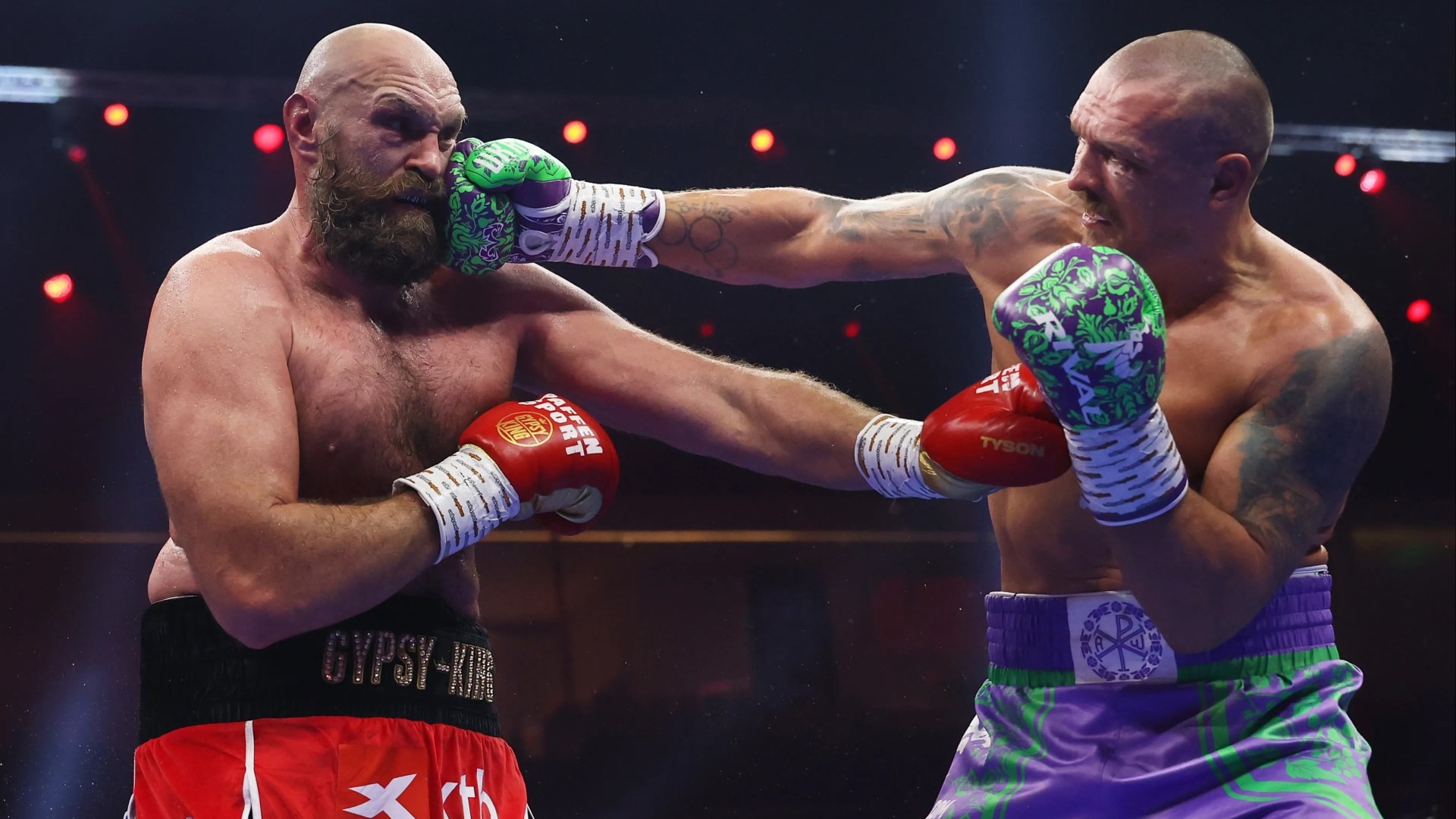
From the outset, Fury’s physical condition was a subject of discussion. His noticeable weight gain and overgrown beard raised questions about his preparedness. Despite attempts to intimidate Usyk with pre-fight theatrics, Usyk remained composed and focused. The initial rounds saw Usyk landing impactful body shots and effectively utilizing his jab to disrupt Fury’s rhythm. Fury, in turn, sought to leverage his power with heavy right hands and uppercuts, but Usyk’s movement and defensive skills often negated these attacks.
The middle rounds witnessed a shift in momentum, with Fury asserting his physical presence and landing several significant blows. However, Usyk weathered the storm and continued to target Fury’s body, gradually wearing him down. The later rounds showcased Usyk’s superior conditioning and ring generalship. As Fury began to tire, Usyk increased his output, landing combinations and keeping Fury on the defensive. Despite Fury’s sporadic power punches, Usyk’s relentless pressure and precise striking proved decisive.
The judges’ unanimous decision in favor of Usyk sparked controversy, with some observers believing Fury had done enough to earn the victory. However, a closer examination of the round-by-round action reveals Usyk’s consistent effectiveness and control of the fight. His ability to outmaneuver Fury, target his body, and maintain a high work rate throughout the contest ultimately secured him the win.
Usyk’s performance was a masterclass in boxing technique and strategy. He effectively neutralized Fury’s size advantage by utilizing his speed, footwork, and ring IQ. His relentless body attacks took a toll on Fury, gradually diminishing his power and mobility. Furthermore, Usyk’s ability to avoid Fury’s power shots while landing his own precise counters proved crucial in securing the victory.
Fury, despite his size and power, struggled to adapt to Usyk’s elusive style. His attempts to bully and overpower Usyk were often met with swift counters and evasive maneuvers. While he landed some significant punches, his overall output and effectiveness were hampered by Usyk’s superior ring generalship. The fight highlighted the importance of speed, agility, and tactical acumen in heavyweight boxing, demonstrating that size and power alone are not always enough to guarantee victory.
The controversial decision underscores the subjective nature of boxing judging. While some may disagree with the outcome, Usyk’s consistent performance throughout the fight justifies the judges’ decision. He effectively neutralized Fury’s strengths and capitalized on his weaknesses, demonstrating a superior boxing skillset.
In conclusion, the Usyk-Fury rematch was a compelling display of contrasting boxing styles. Usyk’s superior speed, movement, and ring generalship proved to be the deciding factors, allowing him to outmaneuver and outwork the larger Fury. While the decision may be debated, Usyk’s performance solidifies his position as one of the top heavyweight boxers in the world. His victory serves as a testament to the importance of strategy, technique, and conditioning in the sport of boxing.