


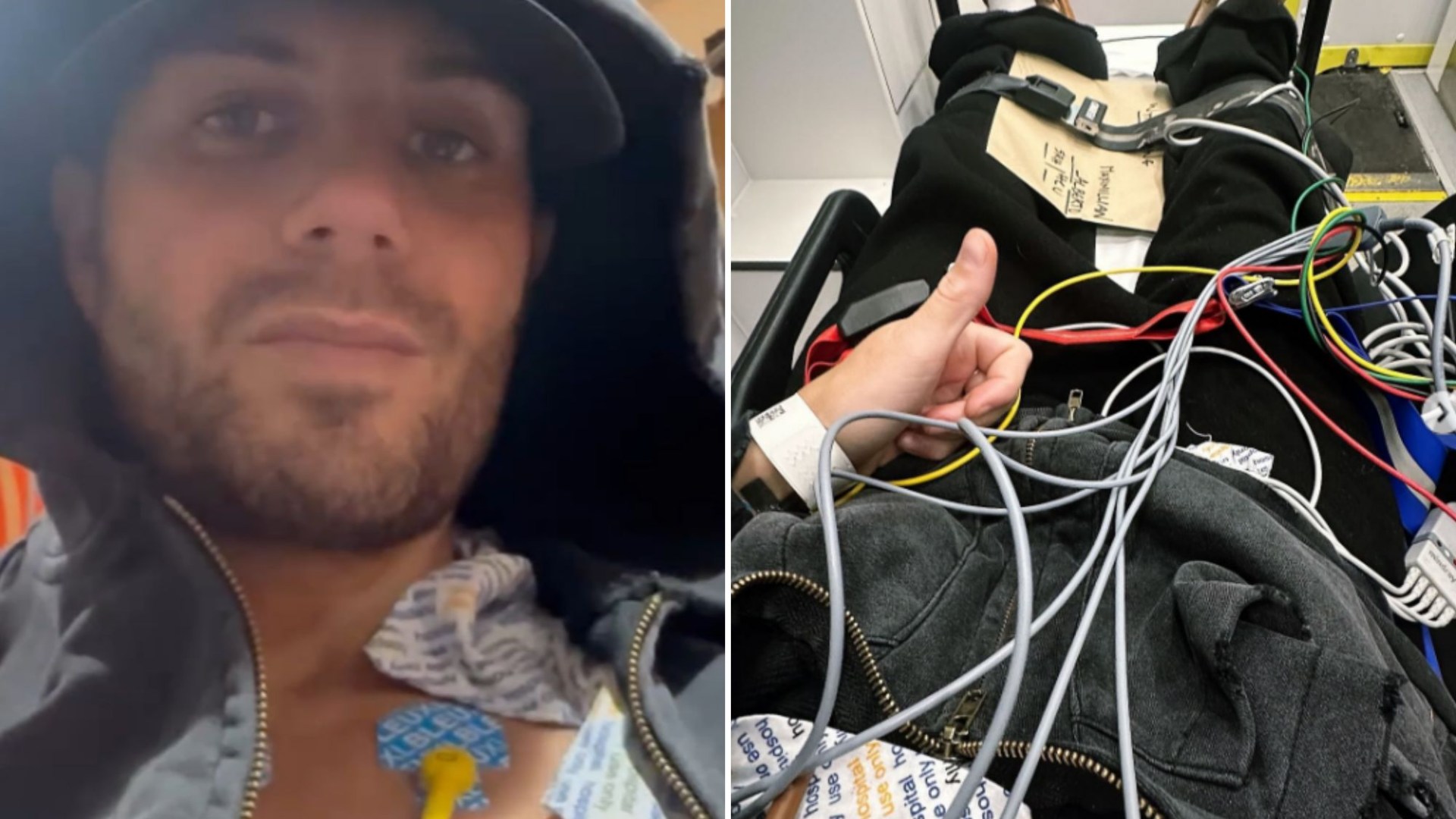
Max George, the 36-year-old singer and actor known for his work with The Wanted, recently shared a health update with his fans, revealing that he will be undergoing emergency heart surgery. His announcement came via social media, accompanied by a photo of himself in a hospital bed, connected to various medical devices but offering a reassuring thumbs-up. George described a recent “day trip” for a full cardiac CT scan, an experience he expressed a distinct lack of enthusiasm to repeat. The scan, however, revealed concerning results, leading to a diagnosis of a 2:1 heart block. This condition disrupts the heart’s electrical signalling, affecting its rhythm and efficiency.
The seriousness of George’s condition was underscored by the persistently low heart rate he’d been experiencing for nearly a week. This lack of improvement necessitated a more urgent response than initially anticipated, accelerating the timeline for surgical intervention. While the prospect of surgery is undoubtedly daunting, George maintained a positive outlook, expressing hope that he might even be home for Christmas. He acknowledged the fear and difficulty of the past few nights, yet emphasized his gratitude for the outpouring of support he’s received from both acquaintances and strangers alike. He noted that these messages have provided a much-needed lift in spirits, and that his family has been equally touched by the overwhelming support.
A 2:1 heart block occurs when the electrical signals that regulate the heart’s contractions are partially blocked. Normally, the sinoatrial (SA) node, the heart’s natural pacemaker, sends electrical impulses that travel through the atrioventricular (AV) node to the ventricles, causing them to contract and pump blood. In a 2:1 heart block, only every second impulse from the SA node successfully passes through the AV node to the ventricles. This reduced signal transmission can lead to a slower heart rate and potentially compromise the heart’s ability to effectively pump blood throughout the body. Symptoms can vary widely, from being asymptomatic to experiencing dizziness, lightheadedness, fainting, and shortness of breath.
The urgency of George’s surgery stems from the potential complications associated with a prolonged, significantly slowed heart rate. A consistently low heart rate can lead to inadequate blood flow to vital organs, causing fatigue, weakness, and potentially more serious consequences like heart failure. The specific surgical approach will depend on the underlying cause of the heart block and the overall assessment of George’s cardiac health. Options might include the implantation of a pacemaker, a small device that sends electrical impulses to regulate the heart’s rhythm, or other procedures aimed at improving the conduction of electrical signals within the heart.
The overwhelming support from fans and well-wishers reflects the impact George has made through his music and acting career. Fans have rallied around him, sharing messages of encouragement and hope for a swift recovery. The outpouring of positivity highlights the connection he has forged with his audience and the genuine concern for his wellbeing. Social media has become a platform for fans to express their admiration and offer their best wishes as he navigates this challenging health journey.
George’s willingness to share his health journey publicly not only provides his fans with an update but also raises awareness about heart conditions. While his specific diagnosis of a 2:1 heart block might be less common, it highlights the importance of listening to one’s body and seeking medical attention when experiencing unusual symptoms. His openness encourages dialogue about heart health and underscores the importance of regular check-ups and maintaining a healthy lifestyle. By sharing his experience, George provides a platform for others to learn and potentially seek medical advice if they have similar concerns.