
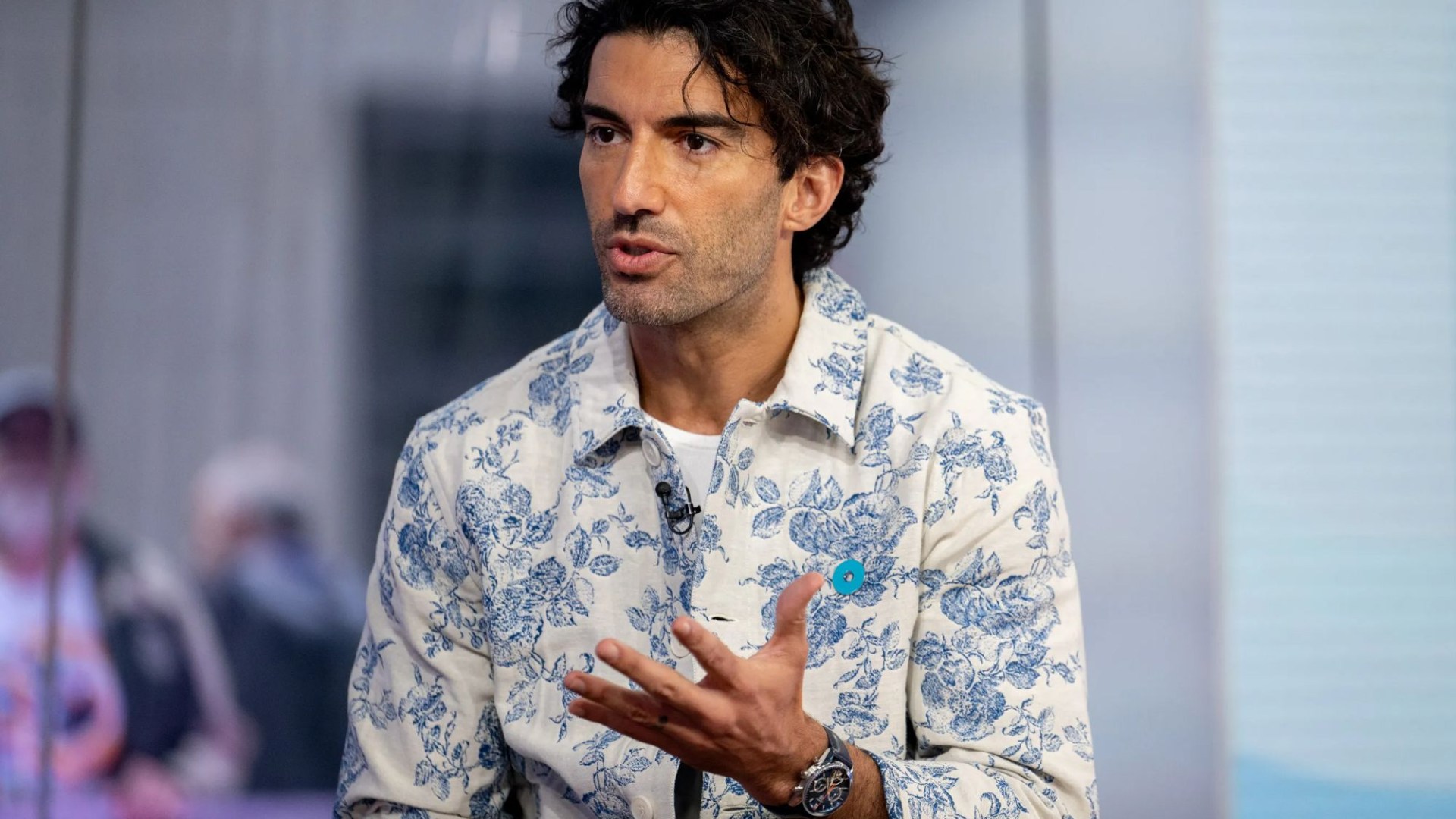
The entertainment world was rocked by a sexual harassment lawsuit filed by actress Blake Lively against her co-star, Justin Baldoni, stemming from their work together on the film adaptation of “It Ends With Us.” Lively, known for her role in “Gossip Girl,” alleges that Baldoni engaged in a pattern of inappropriate behavior, including showing her explicit images and videos of other women, making references to his alleged past pornography addiction, and discussing cast members’ genitalia. These actions, according to Lively, caused her “severe emotional distress” and constituted a smear campaign aimed at damaging her reputation. The lawsuit further claims that Lively’s concerns were brought to the attention of film executives, prompting a meeting attended by Lively’s husband, actor Ryan Reynolds. Despite Lively’s requests for adjustments to the filming process, including the removal of unscripted sex scenes and sexually explicit content, the lawsuit contends that Baldoni continued his behavior and subsequently engaged in actions to tarnish Lively’s image.
Baldoni, who previously starred in “Jane The Virgin,” vehemently denies all allegations, characterizing them as “categorically false.” However, the fallout from the lawsuit has been swift and significant. Baldoni’s talent agency, William Morris Endeavor (WME), which also represents Lively and Reynolds, has dropped him as a client. This move underscores the seriousness of the allegations and the potential impact on Baldoni’s career. WME’s decision reflects the changing landscape in Hollywood, where accusations of misconduct are increasingly met with decisive action. The agency’s representation of both Lively and Baldoni placed them in a particularly delicate position, ultimately leading to their decision to sever ties with Baldoni.
The film “It Ends With Us,” based on the bestselling novel by Colleen Hoover, has been overshadowed by the controversy surrounding the lawsuit. Reports of on-set tensions and conflicts between Lively and Baldoni emerged prior to the legal action, further complicating the film’s release. The allegations against Baldoni paint a picture of a troubled production environment, where Lively felt uncomfortable and harassed. The lawsuit’s detailed account of Baldoni’s alleged actions, including the specific instances of inappropriate conversations and the display of explicit material, has intensified the scrutiny on his behavior and the overall atmosphere on set.
Colleen Hoover, the author of the source material, has publicly voiced her support for Lively. Hoover’s online statement praised Lively’s honesty, kindness, and patience, emphasizing her consistent positive interactions with the actress. This endorsement from the author of the novel adds another layer to the controversy, lending further credence to Lively’s claims. Hoover’s public support for Lively highlights the impact of the allegations on the wider community surrounding the book and its adaptation, potentially influencing public perception of both Lively and Baldoni.
Baldoni’s lawyer, Bryan Freedman, has launched a vigorous defense, calling the lawsuit “shameful” and “intentionally salacious.” Freedman alleges that the lawsuit is a retaliatory tactic by Lively to counter negative portrayals of her as “diva-like” on set. This counter-narrative suggests a complex interpersonal dynamic between the two actors, potentially stemming from professional disagreements or personality clashes. Freedman’s assertion that the lawsuit is a preemptive strike by Lively to protect her reputation introduces a different perspective on the events, suggesting that the allegations may be exaggerated or fabricated.
The legal battle between Lively and Baldoni is likely to be protracted and closely watched. The lawsuit’s outcome could have significant implications for both actors’ careers and further shape the conversation surrounding sexual harassment and workplace conduct in Hollywood. The case highlights the power dynamics inherent in the entertainment industry and the challenges faced by individuals who speak out against alleged misconduct. The ongoing legal proceedings will determine the veracity of the claims and potentially reveal further details about the events that transpired on the set of “It Ends With Us.” The fallout from this case will undoubtedly contribute to the ongoing dialogue about accountability and the importance of fostering safe and respectful working environments within the entertainment industry.