



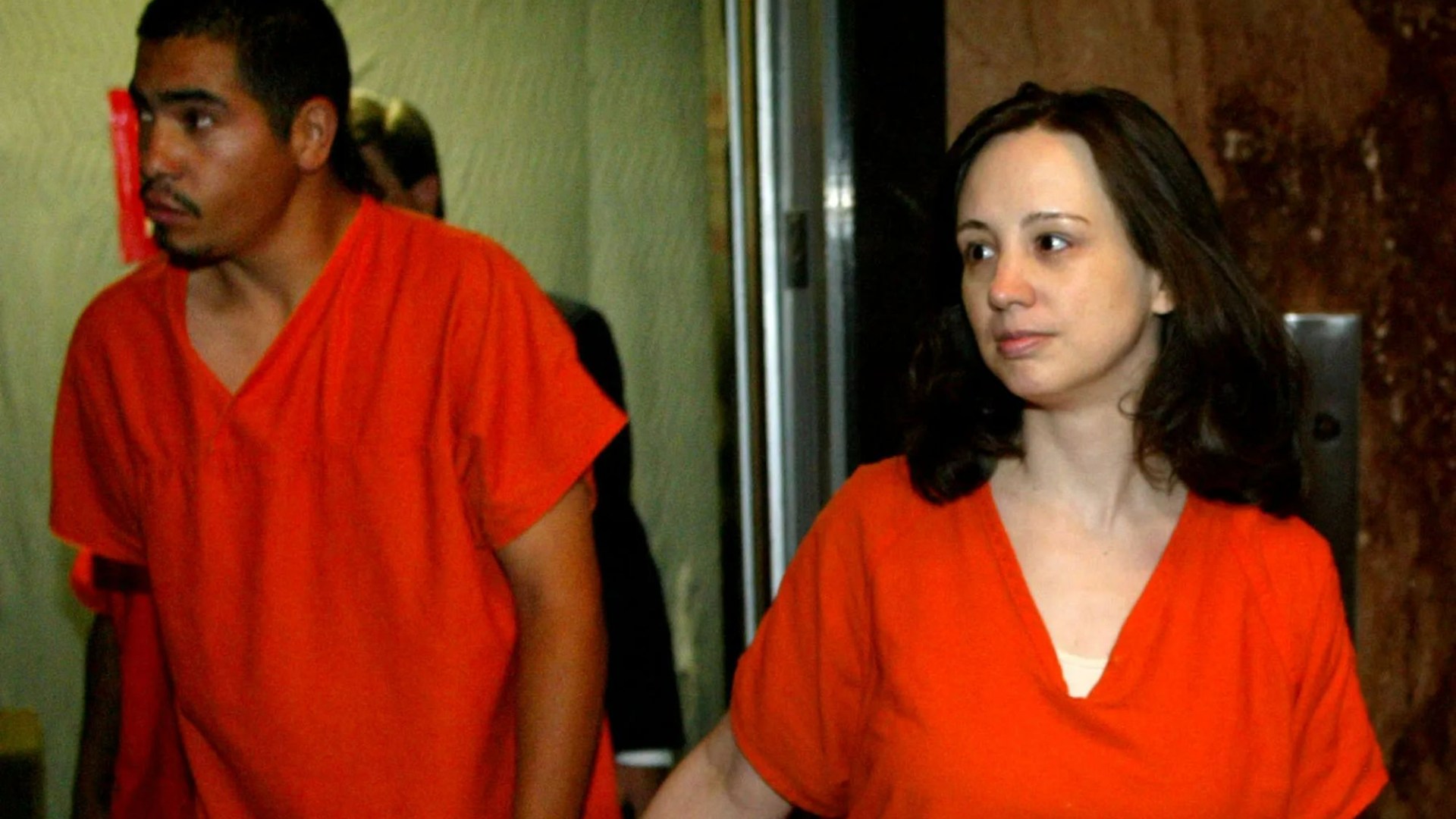
Brenda Andrew, a 61-year-old woman currently on death row in Oklahoma, stands a chance of receiving a reduced sentence following a Supreme Court ruling that questions the fairness of her original trial. Andrew was convicted in 2004 for the murder of her husband, Rob Andrew, as part of an $800,000 insurance scam. The prosecution’s case heavily relied on portraying Andrew as promiscuous and immoral, presenting evidence about her sexual history, attire, and even her underwear to the jury. This tactic, her attorneys argue, prejudiced the jury and led to the harshest possible sentence.
The Supreme Court, in a 7-2 decision, agreed to hear Andrew’s appeal, focusing on whether the prosecution’s emphasis on her sexual character unfairly influenced the jury. The Court highlighted the extensive testimony regarding Andrew’s past relationships, choice of clothing, and even the underwear she packed for a trip, questioning the relevance of such details to the murder charge. This “sex-shaming,” as Andrew’s legal team describes it, created a biased environment that potentially denied her due process, according to the appeal. The Court has now remanded the case to a lower court for reconsideration, leaving open the possibility of a retrial or resentencing.
The murder of Rob Andrew occurred on November 20, 2001, when he returned to the family home to pick up his children for Thanksgiving. According to prosecutors, Andrew lured her husband into the garage under the pretext of a faulty pilot light, where he was shot twice with his own shotgun. Her lover and alleged accomplice, James Pavatt, is said to have fired the first shot, followed by Andrew. Both were Sunday school teachers at the time of the murder, a detail the prosecution used to contrast with their alleged actions. Pavatt, also sentenced to death, has maintained his innocence, claiming he murdered Rob Andrew with the help of another individual, and that Brenda Andrew was not involved in the shooting.
The prosecution’s strategy during the trial centered on painting Andrew as a deceitful and manipulative woman driven by greed and lust. They presented evidence of her affairs, some dating back seventeen years, and emphasized her choice of clothing, describing her outfits as “sexy” and “provocative.” The most controversial piece of evidence was Andrew’s thong, which the prosecution presented to the jury as proof of her intention to flee with Pavatt to Mexico shortly after the murder. This act, along with the prosecution referring to Andrew as a “slut puppy,” forms the basis of her appeal, arguing that such tactics inflamed the jury and unfairly influenced their decision.
The Supreme Court’s decision does not automatically exonerate Andrew or commute her sentence. Instead, it mandates a lower court to review the case in light of the concerns raised about the fairness of the trial. The lower court will need to determine if the prosecution’s tactics unduly prejudiced the jury and whether a fair-minded jurist could have reached a different verdict absent the emphasis on Andrew’s sexual character. If the court finds the trial was indeed unfair, they could order a new trial or a resentencing hearing.
Andrew’s attorney, Jessica Sutton, expresses hope that the lower court will rectify what she perceives as a miscarriage of justice. She argues that using gendered stereotypes to secure a conviction and death sentence is unacceptable and sets a dangerous precedent. The case now enters a new phase, with the focus shifting from the details of the murder to the fairness of the legal proceedings that led to Andrew’s conviction. The lower court’s decision will be crucial in determining whether Brenda Andrew will face a new trial, a resentencing, or remain on death row.