


Maximizing Radiator Efficiency for Warmth and Savings
Maintaining a well-functioning heating system is crucial for winter comfort and energy efficiency. Neglecting radiator maintenance can lead to reduced heat output, forcing the system to work harder and driving up energy bills. Regular cleaning is essential, as dust and debris buildup acts as insulation, hindering heat transfer. A thorough cleaning, using techniques like directing a hairdryer’s airflow to dislodge debris, can significantly improve radiator performance. Beyond cleaning, routine maintenance like bleeding radiators, which releases trapped air, and servicing the boiler ensures even heat distribution and prevents costly breakdowns. These simple steps can collectively save homeowners significant amounts on their energy bills.
Optimizing Radiator Placement and Usage
Radiator placement plays a critical role in efficient heating. While traditionally placed beneath windows, double glazing now allows for more flexibility. However, obstructing radiators with furniture hinders heat circulation, reducing room warmth and increasing energy consumption. Curtains draped over radiators also impede heat flow, so it’s advisable to fold them back while the heating is on. These minor adjustments can significantly improve heat distribution and lower energy usage.
Simple Radiator Maintenance Techniques
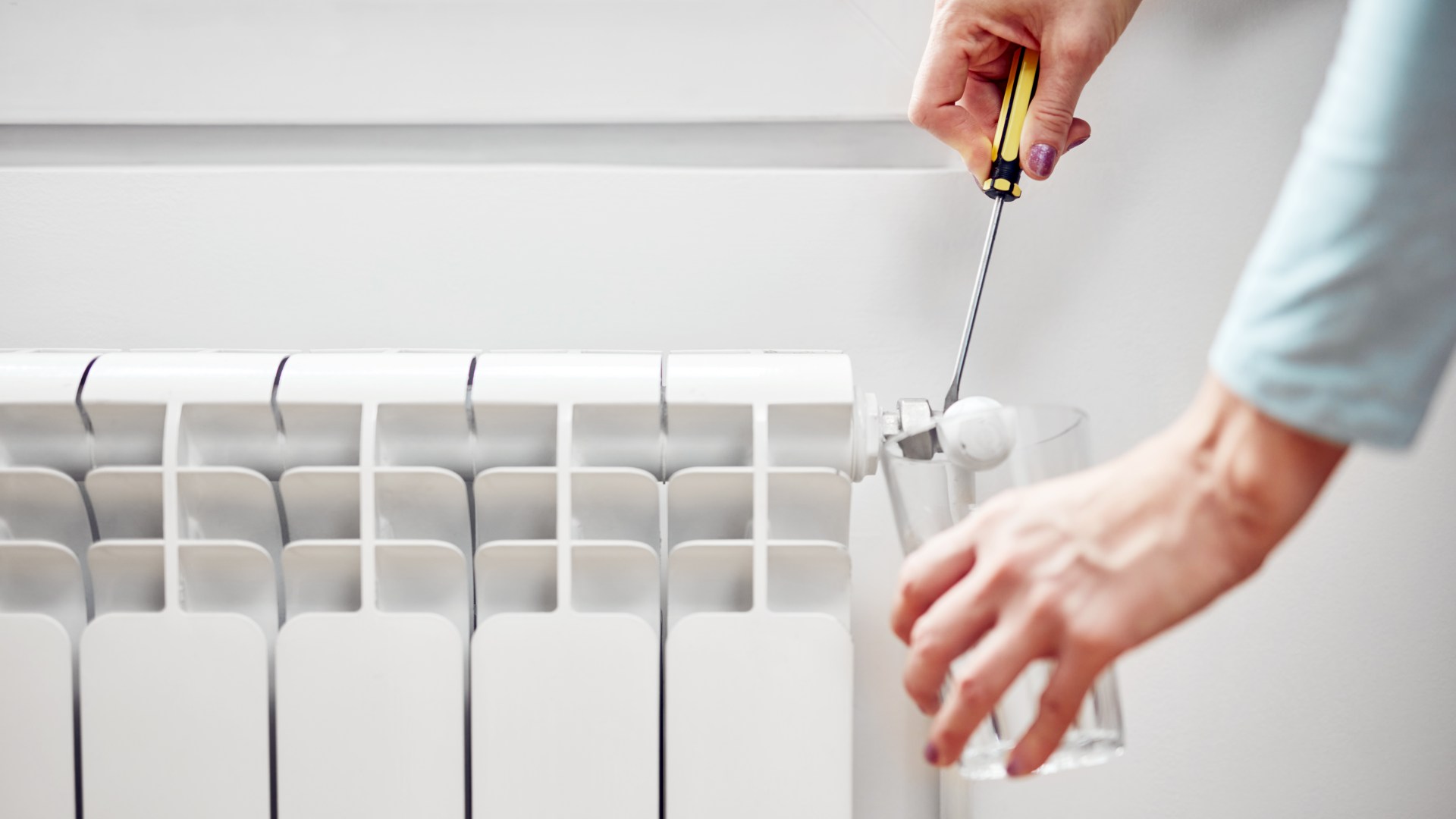
Bleeding radiators is a simple yet effective way to improve heating efficiency. Trapped air reduces the radiator’s capacity to heat, necessitating longer run times and higher energy consumption. Using a radiator key, towel, and container, homeowners can easily release trapped air, restoring optimal performance and potentially saving considerably on heating costs. This easy DIY task can have a noticeable impact on both warmth and energy bills.
Balancing Radiators for Even Heat Distribution
Balancing radiators ensures even heat distribution throughout the house, preventing scenarios where radiators closer to the boiler are significantly warmer than those further away. This process involves adjusting the radiator valves, starting with those closest to the boiler and gradually increasing the opening for radiators further away. Proper balancing ensures that all rooms reach the desired temperature without overworking the system, leading to more efficient heating and reduced energy waste.
Monitoring Boiler Pressure for Optimal Performance
Boiler pressure directly impacts the efficiency of the heating system. A pressure gauge reading between 1.2 and 1.5 bar indicates optimal operation. Higher pressure may restrict hot water flow to the radiators, hindering heating effectiveness. Bleeding radiators can help lower excessive pressure, restoring optimal system performance. Regularly checking and adjusting boiler pressure ensures that the heating system operates efficiently, delivering sufficient hot water to the radiators for effective heating.
Additional Energy-Saving Measures
Beyond radiator maintenance, several other strategies can further reduce energy consumption. Lowering the thermostat by even one degree can result in significant savings without a noticeable difference in comfort. Consistently switching off unused appliances and lights also contributes to lower energy bills. Installing a smart meter provides valuable insights into energy usage patterns, empowering homeowners to make informed decisions about energy consumption. Finally, exploring alternative energy suppliers and comparing tariffs can uncover better deals and potentially lower energy costs. Adopting these practices alongside efficient radiator management can significantly reduce energy consumption and lead to substantial savings on heating bills.