


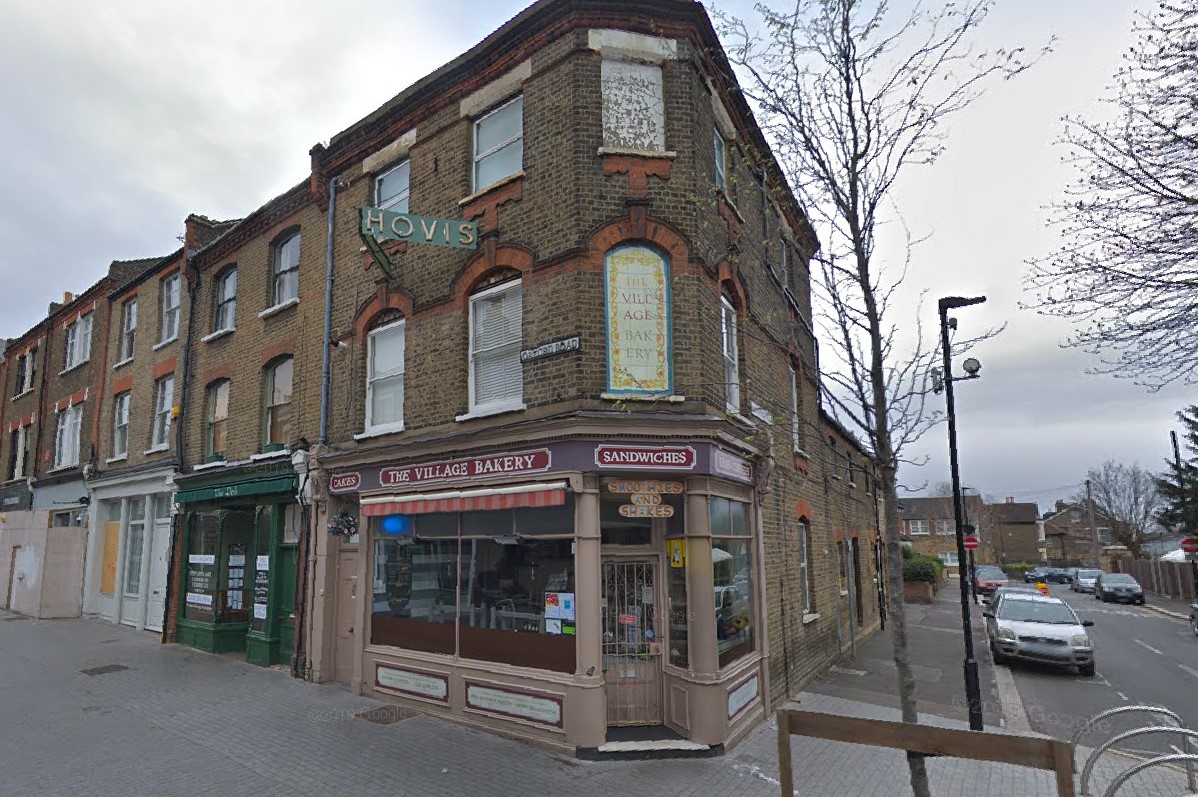
The closure of the Village Bakery in Walthamstow, London, after a century of service marks a poignant example of the challenges faced by independent businesses in the face of expanding chain operations. Owner Samantha Davies attributed the bakery’s demise directly to the arrival of Gail’s, a popular bakery chain, on the same street just three months prior. Davies lamented the sharp decline in business, describing the most recent December as the worst in 19 years. The once-vibrant atmosphere of mutual support among local businesses, facilitated by a shared WhatsApp group, now seems threatened by the influx of larger chains, eroding the close-knit community fabric. Davies’ decision to sell the business underscores the stark reality faced by many independent establishments struggling to compete.
The arrival of Gail’s in Walthamstow Village was met with considerable local resistance. A petition opposing the new branch garnered nearly 2,000 signatures, highlighting widespread concern about the potential negative impact on existing businesses. This local opposition fueled a larger national debate about the merits of independent versus chain businesses, raising questions about community identity, economic diversity, and the preservation of local character. Despite the community’s outcry, Gail’s proceeded with its plans, opening its doors and attracting a consistent flow of customers. Ironically, the branch’s success has even sparked envy from residents in neighboring areas, some of whom view Gail’s presence as a marker of gentrification and a potential boost to property values.
Gail’s rapid expansion, with plans to open 40 more locations this year, reflects a broader trend in the hospitality industry. CEO Tom Molnar attributes the company’s success to the availability of affordable commercial real estate, a consequence of the struggles faced by many high street businesses. This opportunistic approach, capitalizing on the vacancies left by struggling independents, highlights the complex dynamics at play in the evolving retail landscape. While Gail’s expansion creates jobs and provides consumer choice, it also raises concerns about the homogenization of high streets and the potential displacement of long-standing local businesses.
The Village Bakery’s closure is not an isolated incident. Gail’s expansion has sparked similar anxieties in other communities, including Knutsford, Cheshire, where residents voiced concerns about the chain’s pricing and its potential impact on independent traders. This recurring pattern of community resistance underscores the growing tension between the desire for diverse local businesses and the convenience and affordability often associated with larger chains. The question of how to balance these competing interests remains a central challenge for urban planners and policymakers.
The changing landscape of the high street presents a complex dilemma. While chains like Gail’s offer consistent quality, competitive pricing, and often contribute to job creation, their expansion can inadvertently contribute to the decline of independent businesses that often form the heart of local communities. These smaller establishments not only provide unique products and services but also contribute to the distinct character and identity of a neighborhood. The closure of businesses like the Village Bakery represents a loss not only for the owner but also for the community that relies on these establishments for their livelihoods and their contribution to local culture.
The challenge lies in finding a sustainable balance that allows both independent businesses and larger chains to thrive. This requires a multi-faceted approach, including supporting local businesses through initiatives like reduced business rates, promoting shop local campaigns, and fostering a regulatory environment that ensures fair competition. Furthermore, consumers play a crucial role in this dynamic. By actively choosing to support local businesses, consumers can contribute to the preservation of their communities’ unique character and help ensure the survival of these vital economic and cultural contributors. Ultimately, the future of the high street depends on a collaborative effort between businesses, consumers, and policymakers to create a thriving and diverse retail landscape.