


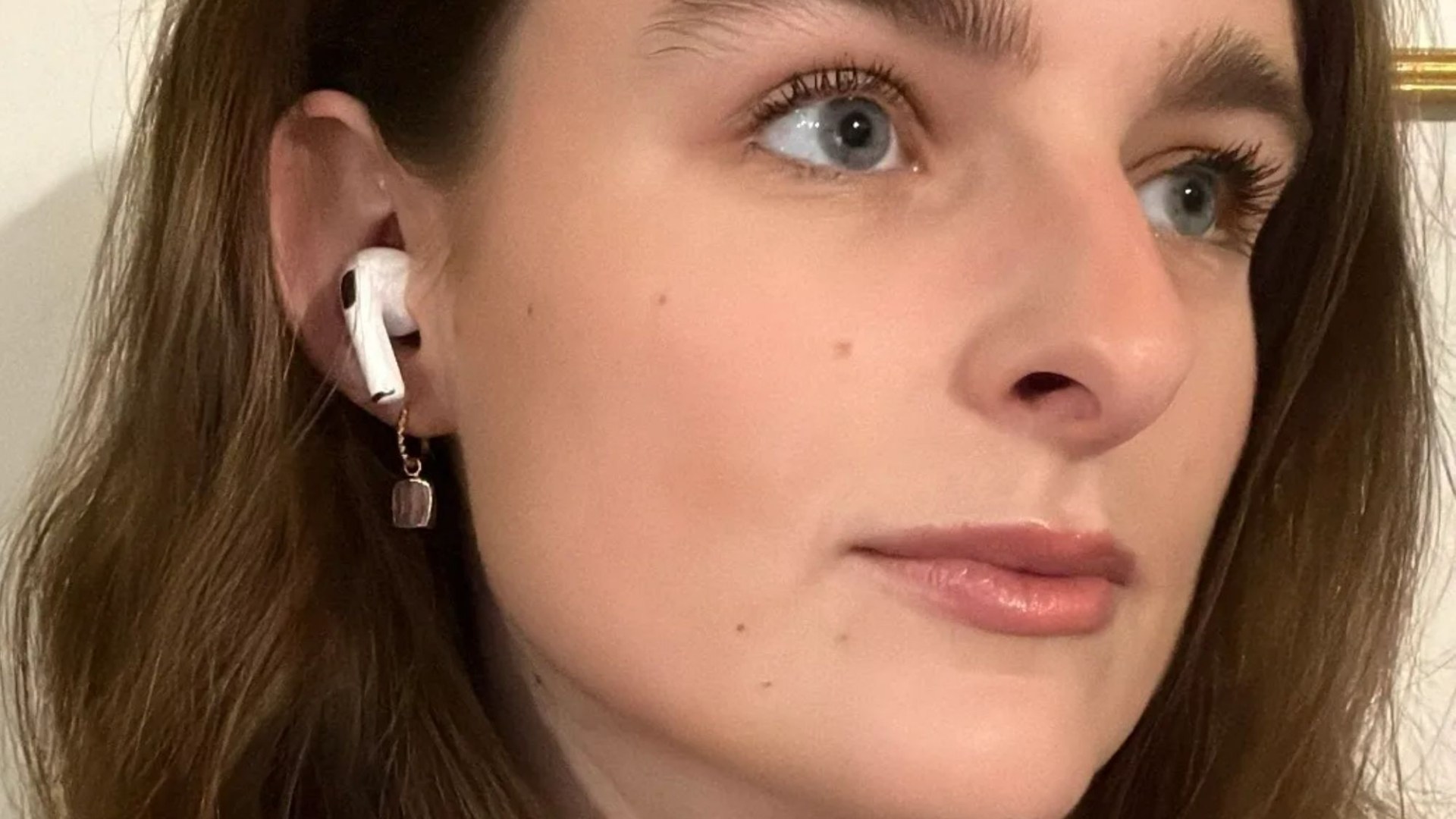
Apple’s recent foray into hearing health with the AirPods Pro 2 marks a significant step in making hearing tests more accessible. Previously a process requiring a visit to a healthcare professional, Apple has integrated a “clinical-grade” hearing test directly into its popular wireless earbuds. This innovative feature allows users to assess their hearing in the comfort of their own homes, eliminating the barriers of inconvenience, cost, and potential stigma that often deter individuals from seeking traditional hearing tests. This accessibility is crucial, given the link between untreated hearing loss and increased risks of cognitive decline, dementia, social isolation, and other health complications. By empowering users with a readily available tool to monitor their hearing, Apple aims to encourage proactive engagement with auditory health, potentially leading to earlier detection and intervention for hearing loss.
The hearing test itself is remarkably simple, utilizing the AirPods Pro’s existing hardware and software to deliver a series of tones at varying volumes. Users are instructed to tap a button on their iPhone whenever they hear a sound. The test requires a quiet environment, free from distractions and background noise, as even subtle sounds can interfere with the accuracy of the results. This emphasis on a silent setting underscores the sensitivity of the test and its ability to detect even subtle changes in hearing acuity. While the test may not replace a comprehensive audiological examination conducted by a professional, it serves as a valuable initial screening tool, potentially prompting users to seek further evaluation if the results indicate potential hearing loss. The results are conveniently stored within the iPhone’s Health app, allowing users to track their hearing over time and share the data with healthcare providers if necessary.
My personal experience with the AirPods Pro 2 hearing test highlighted the ease of use and the potential for this technology to reach individuals who might otherwise neglect their hearing health. Like many, I had postponed a formal hearing test for an extended period, despite occasional concerns about my ability to hear clearly in noisy environments. The simplicity of Apple’s test, coupled with its integration into a device I already use daily, motivated me to finally address these concerns. The test itself was quick, taking only a few minutes to complete in a quiet setting. The experience revealed the subtle yet crucial role of ambient noise in daily life, as even seemingly insignificant sounds, like the hum of an air conditioner, interfered with the test. The anticipation of the results evoked a sense of anxiety, highlighting the often-unacknowledged fear associated with potential hearing loss.
The outcome of my test, thankfully, indicated no significant hearing loss. However, the process served as a valuable reminder of the importance of regular hearing checks and the potential consequences of neglecting auditory health. For others, particularly those experiencing undiagnosed hearing loss, the AirPods Pro 2 test could be transformative. By providing an accessible and convenient method for initial screening, the technology has the potential to connect individuals with necessary care and support, ultimately improving their quality of life. This accessibility is especially significant considering the prevalence of untreated hearing loss, which affects a substantial portion of the population.
Beyond the hearing test, the AirPods Pro 2 also incorporates advanced features designed to support individuals with mild to moderate hearing loss. These features include personalized sound amplification and noise reduction capabilities, enabling users to better engage in conversations and navigate noisy environments. By tailoring the audio output to individual hearing profiles, the AirPods Pro 2 strive to create a more inclusive listening experience, fostering greater social connection and reducing the strain associated with hearing difficulties. These advancements highlight Apple’s commitment to accessibility and its efforts to integrate assistive technologies seamlessly into everyday devices.
The broader implications of Apple’s integration of hearing health features extend beyond individual users. By normalizing hearing tests and raising awareness about the importance of auditory health, Apple contributes to destigmatizing hearing loss and encouraging proactive engagement with preventative care. This initiative aligns with a growing trend in healthcare to leverage technology for early detection and personalized interventions. By empowering individuals with the tools to monitor their own health, Apple fosters a sense of ownership and responsibility, potentially leading to improved health outcomes and a greater emphasis on preventative measures. As technology continues to evolve, the integration of health-focused features into consumer devices holds immense promise for transforming healthcare delivery and promoting proactive well-being.