



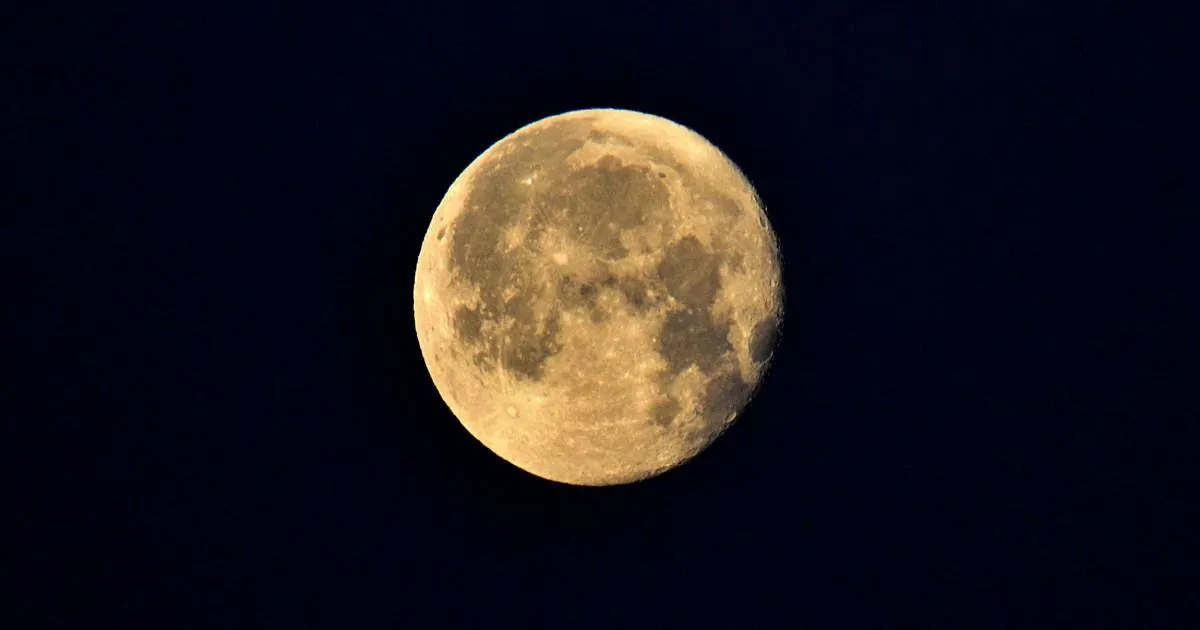
It’s that magical time of month again when the night sky prepares for a celestial display: the arrival of the full Strawberry Moon. While the name often sparks curiosity, it’s a gentle reminder of how we connect our modern lives to the rhythms of nature. This particular lunar event marks the seventh full moon of the year for those of us in the UK, a quirk of timing caused by the rare blue moon we witnessed back in May. Just like last month’s spectacle, tonight’s moon is classified as a “micromoon,” meaning it will appear slightly smaller and a little less brilliant than the supermoons we sometimes catch, but it remains a beautiful reason to step outside and look up.
Despite the name, you shouldn’t expect to see a giant, glowing red fruit hanging in the firmament; the Strawberry Moon looks just like any other bright, white orb in the night sky. The poetic moniker actually finds its roots in Native American tradition, specifically honoring the season when wild strawberries are ripe and ready for harvest across North America. Across the Atlantic, European cultures have often referred to this period as the Rose Moon or the Hot Moon, acknowledging the start of the summer’s warmth. Regardless of what you call it, the name serves as a lovely link to our agricultural history and the seasonal shifts that dictate the pace of the natural world.
If you are planning to catch a glimpse, you might need to commit to a late night. The moon will begin its ascent in the late evening, making its way across the horizon to reach its absolute peak around 12:57 a.m. Being a micromoon, it might prove a bit more subtle than usual, especially if the British weather decides to grace us with its typical cloud cover. However, there is something deeply grounding about staying up past your bedtime to watch this quiet, rhythmic dance of the cosmos. Even if you’re a little weary the next morning, the reward of witnessing the silent beauty of the lunar cycle is almost always worth the sacrifice of a few hours of sleep.
For those who find the timing inconvenient, or if the clouds prove too thick to peer through, take comfort in the fact that the sky is essentially a revolving calendar. If this moon slips past you, the lunar cycle is generous with its offerings. The coming months are packed with opportunities to reconnect with the night, including July’s Buck Moon, followed by the Sturgeon, Harvest, Hunter’s, Beaver, and the chillingly named Cold Moon as we head toward the end of the year. Many of these upcoming displays are scheduled to peak at much more “human-friendly” hours, so you won’t always have to rely on late-night caffeine to keep you company.
Observing the moon is a simple, meditative practice in a world that often feels far too loud and busy. Amidst the breaking news of the day and the digital noise of our interconnected lives, taking ten minutes to stand in the quiet shadows of a full moon allows us to hit the “pause” button on our anxieties. Whether you are an avid stargazer with a telescope or just someone who enjoys a peaceful walk beneath the glow of the night sky, these events remind us that we are part of something much larger and far more permanent than the day-to-day grind. It is a shared experience that links us to our neighbors and ancestors alike, all watching the same light from different corners of the earth.
Ultimately, whether tonight is clear or shrouded in mist, the arrival of the Strawberry Moon is a nudge to look beyond our screens and appreciate the wonders unfolding right above us. It’s an invitation to slow down, breathe in the summer air, and find a little bit of awe in the mundane. If you miss the peak tonight, don’t worry—the beauty of the universe is that it is patient, turning through its stages regardless of whether we are watching. But, if you do find yourself awake in that quiet, post-midnight hour, look toward the sky. You might just find that the silence of the moon is exactly the company you needed after a long day.