


The Southport Tragedy: A Community Grapples with Unthinkable Loss and Unanswered Questions
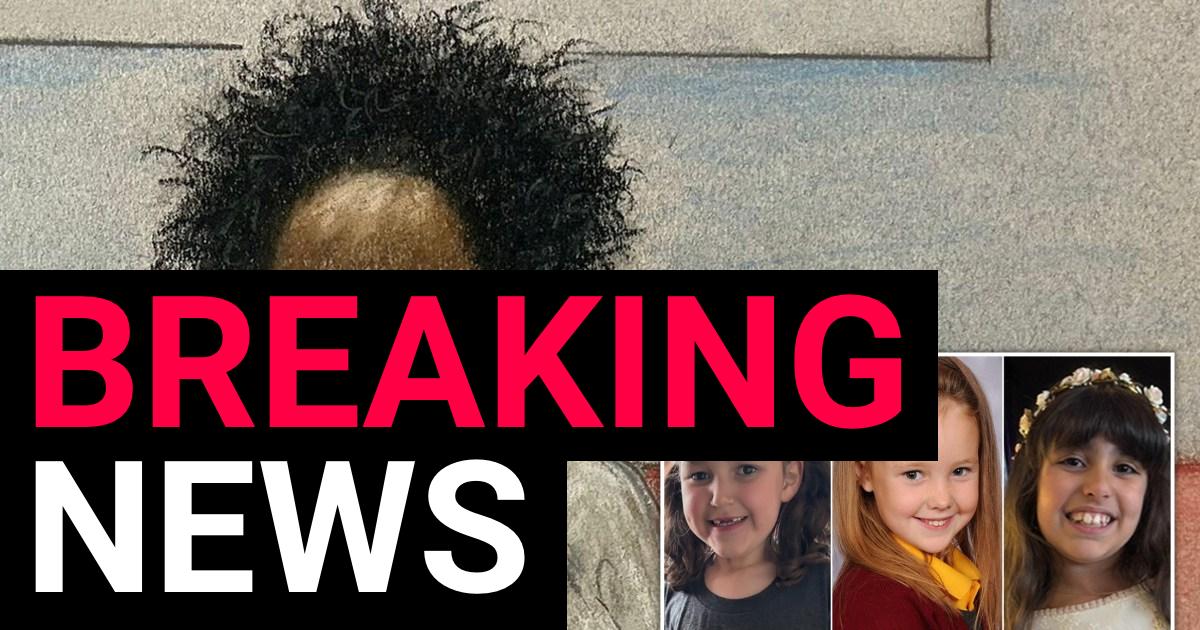
The quiet seaside town of Southport, Merseyside, was shattered on a seemingly ordinary Saturday morning in July 2029. A dance class, themed around the popular singer Taylor Swift, transformed into a scene of unimaginable horror as a knife-wielding assailant attacked children and adults, leaving three young girls dead and several others injured. The victims, Alice da Silva Aguiar (9), Bebe King (6), and Elsie Dot Stancombe (7), were robbed of their lives in a senseless act of violence that has left a community reeling and searching for answers. The alleged perpetrator, 18-year-old Axel Rudakubana, now faces a litany of charges, including murder, attempted murder, and offenses related to terrorism and biological weapons.
Rudakubana, who was 17 at the time of the attack, has appeared in court multiple times via video link from HMP Belmarsh. Throughout these proceedings, he has remained conspicuously silent, offering no plea or explanation for his alleged actions. In his most recent court appearance, not guilty pleas were entered on his behalf to all 16 charges against him, including the murders of the three young girls, the attempted murder of eight other children and two adults, and charges relating to possession of a knife, production of the biological toxin ricin, and possession of information potentially useful for terrorist activities. The silence of the accused only amplifies the anguish and confusion surrounding the tragedy, leaving families and the wider community grappling with unanswered questions and a profound sense of loss.
The immediate aftermath of the attack saw an outpouring of grief and solidarity in Southport. Thousands gathered for a peaceful vigil to mourn the victims and support their families. However, this initial display of unity was tragically undermined by subsequent events. Misinformation spread rapidly on social media, fueling unfounded speculation and accusations. A separate protest, unrelated to the vigil, devolved into violence, sparking a chain reaction of unrest and riots across the UK. Asylum centers and hotels housing refugees became targets of anger and frustration, reflecting a dangerous escalation of social tensions and the destructive power of misinformation in a polarized climate.
The subsequent investigation into the Southport attack has taken a complex and unsettling turn. While the initial focus was on the horrific knife attack itself, the charges against Rudakubana now encompass allegations of terrorism and possession of a biological weapon. The inclusion of these charges has raised significant questions and concerns, both within the community and across the nation. Although authorities have stressed that the knife attack itself has not been officially declared a terrorist act, the charges related to ricin and terrorist materials have inevitably led to speculation and heightened anxiety.
Merseyside Police Chief Constable Serena Kennedy has emphasized the importance of avoiding speculation and allowing the legal process to unfold. She stressed that Rudakubana, like any other accused individual, is entitled to a fair trial. The charges under the Terrorism Act, she explained, do not necessitate establishing a motive. This statement, while intended to clarify the legal framework of the case, has done little to quell public unease and the desire for a clearer understanding of the events leading up to the tragedy. The complex nature of the charges, coupled with the defendant’s silence, creates a challenging environment for both the investigation and the public’s perception of the case.
The Southport tragedy stands as a stark reminder of the fragility of life and the devastating consequences of violence. The loss of three young children has left an indelible scar on the community, raising profound questions about safety, security, and the underlying factors that contribute to such horrific acts. While the legal process continues, the families of the victims and the community at large await answers, hoping for justice and a greater understanding of the events that led to this unimaginable tragedy. The case also highlights the dangers of misinformation and the urgent need for responsible communication in the face of tragedy, particularly in the age of social media. The ripple effects of the Southport attack, both in terms of human loss and the subsequent social unrest, underscore the importance of addressing the underlying issues that contribute to violence and division within society. The path to healing and reconciliation for Southport, and indeed for the nation, will require a commitment to truth, justice, and a shared determination to prevent such tragedies from ever happening again.