

London Underground Disruptions and Commuter Impacts
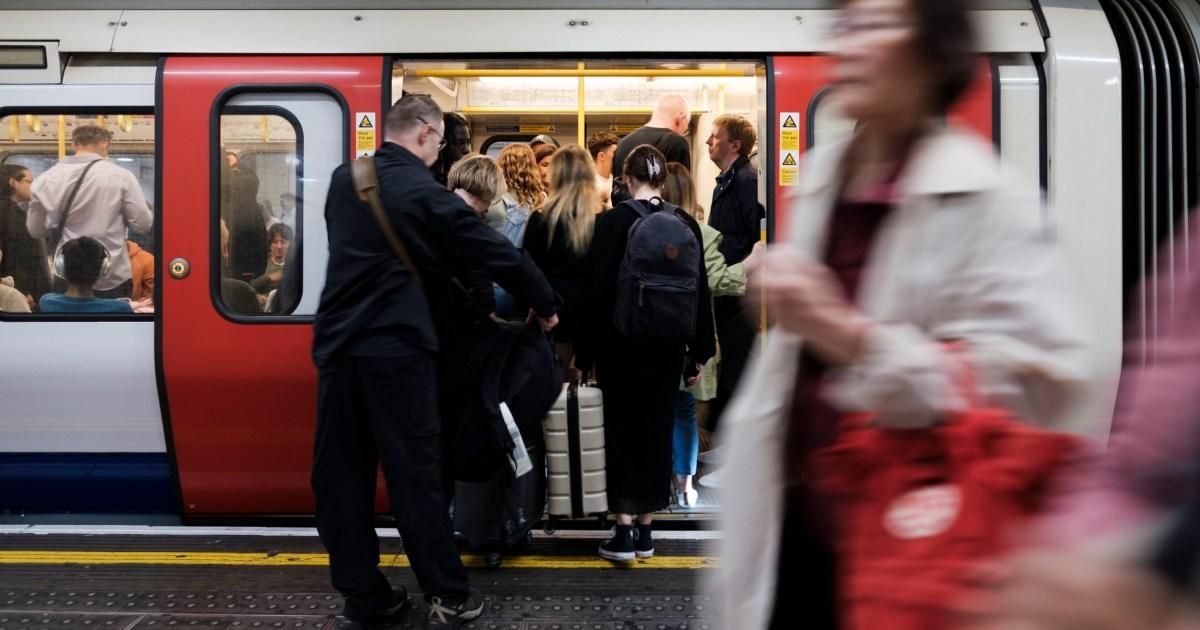
The London Underground, the lifeblood of London’s transportation system, faced disruptions on the morning of December 17, 2024, impacting the daily commute for many passengers. Two lines, the Piccadilly and Metropolitan lines, experienced delays, causing inconvenience and extended journey times for travelers. The Piccadilly line faced minor delays across most of its route due to a shortage of available trains, a recurring issue that highlights the challenges in maintaining optimal service levels during peak hours. This shortage likely led to overcrowded platforms and carriages, increasing passenger discomfort and frustration. Compounding the Piccadilly line issues, the section between Rayners Lane and Uxbridge remained suspended for the third consecutive week. The extended closure, attributed to difficult track conditions, further exacerbated travel difficulties for commuters reliant on this section of the line. Passengers were advised to utilize the Metropolitan line as an alternative, potentially leading to increased congestion on that line as well.
The Metropolitan line also encountered its own set of challenges. Minor delays affected the stretch between Chesham and Moor Park due to an act of vandalism that damaged a train. Such incidents, while hopefully isolated, underscore the vulnerability of public transportation systems to disruptions caused by malicious acts. The damaged train likely required removal and repairs, impacting service frequency and causing delays for passengers traveling on this section of the Metropolitan line. TfL’s travel status update indicated that the next train from Chesham would depart at 6:59 am, allowing commuters to plan their journeys accordingly, though with the expectation of some delays. The rest of the Metropolitan line, however, operated with a good service, minimizing disruption for passengers not travelling on the affected section.
The confluence of these disruptions on two key commuter lines likely resulted in a ripple effect across the London transport network. Increased passenger volumes on alternative routes, such as the Metropolitan line for those affected by the Piccadilly line closure, could lead to overcrowding and further delays on unaffected lines. The combination of train shortages, track issues, and vandalism highlights the complex interplay of factors that can impact the smooth operation of a major transportation system like the London Underground. These incidents underscore the need for robust contingency plans, proactive maintenance schedules, and effective communication with passengers to mitigate the impact of such disruptions.
The Piccadilly line’s ongoing issues with the Rayners Lane to Uxbridge closure warrant further investigation. Three weeks of disruption suggests a significant track problem requiring extensive repairs. Communicating the nature of the track issue and the estimated time for full service restoration would alleviate passenger uncertainty and allow for better travel planning. Similarly, understanding the cause of the train shortage on the Piccadilly line could provide insights into underlying operational challenges. Whether due to maintenance backlogs, staffing issues, or other factors, transparency about the root causes can help build public trust and understanding.
The incident of vandalism on the Metropolitan line raises concerns about security and the need for preventative measures to protect vital transportation infrastructure. Investigating the incident, identifying the perpetrators, and implementing appropriate security measures can deter future acts of vandalism and safeguard the smooth operation of the Underground. While the delays on the Metropolitan line were described as minor, the incident highlights the potential for such acts to cause significant disruption and inconvenience for passengers.
Beyond the immediate disruptions, these incidents underscore the broader challenges facing public transportation systems in major cities. Balancing the demands of a growing population with the need for reliable and efficient service requires continuous investment in infrastructure, innovative solutions to manage congestion, and effective communication strategies to keep passengers informed. The London Underground, while generally a reliable and efficient system, faces the same pressures as other urban transport networks. Addressing these challenges proactively is crucial for ensuring the continued smooth operation of the Underground and minimizing disruption for the millions of passengers who rely on it daily.