


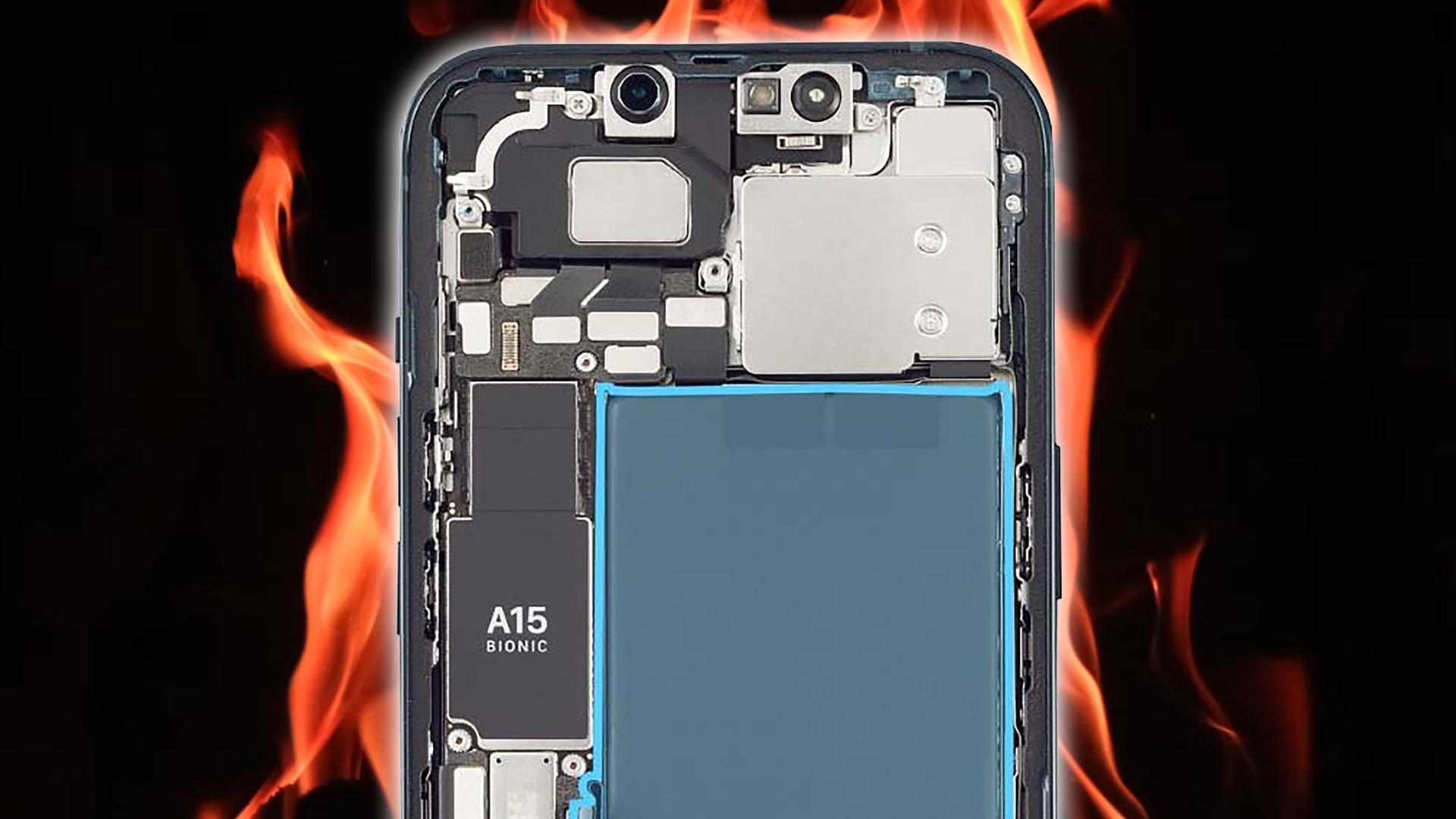
The incident of a two-month-old iPhone 15 Plus developing a bulge and experiencing random shutdowns highlights the potential dangers of swollen lithium-ion batteries in smartphones. The user’s post on Reddit, accompanied by a picture showcasing the bulge, elicited immediate concern from other forum members who recognized the telltale sign of a failing battery. This swelling, often attributed to heat buildup and gas accumulation within the battery, presents a significant fire risk. Experts strongly advise against continuing to use a device with a swollen battery, emphasizing the potential for fire or explosion if the battery is punctured. Even if the device appears functional, the underlying danger necessitates prompt battery replacement.
Lithium-ion batteries, despite their prevalence in modern electronics due to their efficiency and longevity, are susceptible to swelling due to design flaws or user-induced damage. This swelling poses a serious safety hazard, increasing the likelihood of fire. While a swollen battery doesn’t guarantee combustion, it serves as a critical warning sign that demands immediate attention. The University of Reading emphasizes the volatile nature of swollen lithium-ion batteries, cautioning against puncturing and advocating for immediate replacement to mitigate the risk of fire and explosion. Continued use or charging of a device with a swollen battery further exacerbates the danger.
Recognizing the signs of a potentially hazardous battery is crucial for preventing accidents. The National Fire Protection Association (NFPA) outlines several indicators that warrant immediate action, including unusual odors, excessive heat, popping sounds, swelling, discoloration, and visible damage. These signs signal a compromised battery that requires immediate attention. Ignoring these warnings can have severe consequences, potentially leading to fire or explosion. Therefore, it is paramount to cease using the device immediately upon noticing any of these symptoms.
The London Fire Brigade advises against charging or tampering with a device exhibiting signs of a swollen battery. Instead, users should immediately power off the device and contact the manufacturer or a certified technician for assistance. Attempting to remove the casing or manipulate the device further heightens the risk of fire or explosion. Proper handling of a device with a suspected battery issue is essential for ensuring safety.
Preventing battery swelling involves adhering to safe charging practices and avoiding actions that could physically damage the battery. Apple, for instance, recommends using only official cables and plugs and seeking repairs from trained technicians. Using damaged charging accessories or charging in the presence of moisture increases the risk of fire, electric shock, and damage to the device or property. Maintaining a well-ventilated area during charging is also essential to prevent heat buildup. Furthermore, avoiding physical damage to the battery, such as drops or exposure to excessive moisture, can significantly reduce the risk of swelling.
In conclusion, the case of the swollen iPhone 15 Plus battery underscores the importance of recognizing and responding to warning signs of battery failure. Swelling, a clear indicator of a potentially hazardous battery, necessitates immediate action. Users should cease using the device, refrain from charging it, and contact the manufacturer or a certified technician for assistance. Adhering to safe charging practices, avoiding physical damage to the battery, and using only official accessories can minimize the risk of battery swelling and ensure the safe and continued use of electronic devices. Ignoring these precautions can have dire consequences, potentially leading to fire, explosion, or other hazards.