


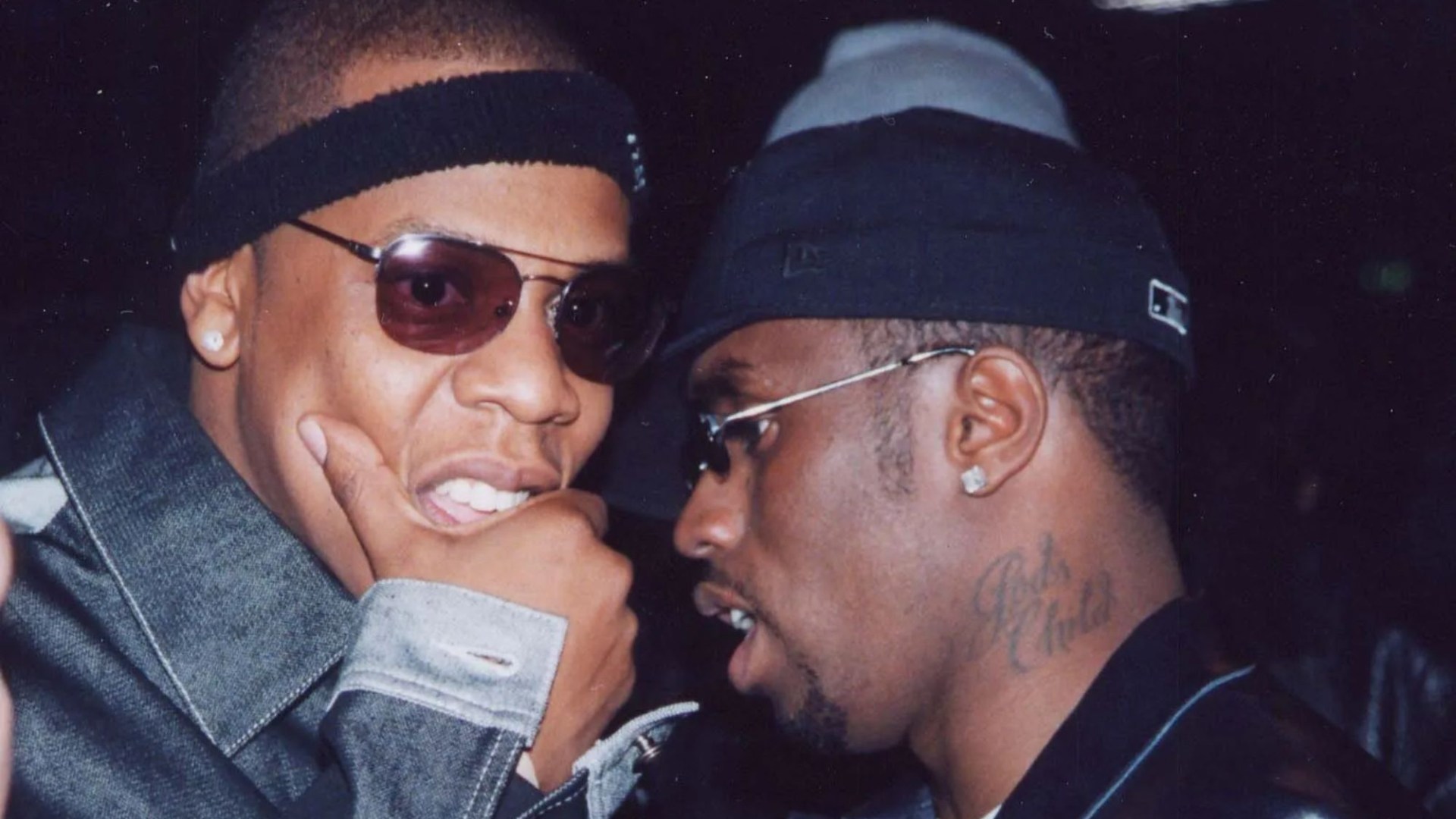
In a complicated legal battle, a woman identified as “Jane Doe” has accused music moguls Jay-Z and Sean “Diddy” Combs of raping her in 2000 when she was 13 years old. The lawsuit, initially filed against Diddy in October and amended in December to include Jay-Z, alleges the assaults occurred at an after-party following the MTV Video Music Awards. Doe claims she was offered a ride by a driver claiming to work for Diddy, taken to a house, given a drink that made her feel unwell, and subsequently raped by both men while an unnamed female celebrity was present. Both Jay-Z and Diddy vehemently deny the accusations, characterizing the lawsuit as a blatant attempt at extortion and a fabrication designed to garner financial gain and notoriety.
Doe’s account has been met with skepticism due to several inconsistencies revealed in an interview with NBC News. She admitted to errors in her initial recounting of events, including misidentifying a celebrity she claimed to have spoken with at the after-party and incorrectly stating that her father had picked her up afterwards. Furthermore, the visual details she provided in the lawsuit reportedly do not align with the after-party attended by Jay-Z and Diddy that night. Despite these discrepancies, Doe maintains that the core allegation of rape remains true, describing the incident as a “catastrophic event” that profoundly impacted her life, leading to depression, withdrawal, declining academic performance, and eventual homelessness.
Jay-Z’s legal team has aggressively countered the accusations, labeling the lawsuit “blackmail” and “false.” They point to the inconsistencies in Doe’s story and the alleged motivations of her lawyer, Tony Buzbee, whom they accuse of pursuing the case solely for financial gain and public attention. Jay-Z himself has publicly stated that the incident never occurred and expressed confidence that the truth will prevail. His lawyer, Alex Spiro, has called for the dismissal of the case and is pursuing disciplinary action against Buzbee and other lawyers involved in filing the complaint.
The legal proceedings have also seen a motion filed by Jay-Z’s team requesting the court to compel Doe to reveal her identity. This move aims to further challenge the credibility of the accusations and potentially expose any ulterior motives behind the lawsuit. The request contrasts with Doe’s desire to remain anonymous, likely stemming from the sensitive nature of the allegations and the potential for public scrutiny and backlash.
Diddy, while not as vocal as Jay-Z in his denials, has similarly opposed the claims against him. The lawsuit paints a picture of him not only participating in the alleged assault but also being complicit in arranging Doe’s presence at the after-party. The alleged driver’s claim that Doe would “fit what Diddy was looking for” suggests a pre-meditated element to the events, a narrative that both Diddy and Jay-Z categorically reject.
The case hinges on the credibility of Doe’s testimony, which has been weakened by the admitted inconsistencies. The legal teams for both Jay-Z and Diddy are likely to capitalize on these discrepancies to cast doubt on the veracity of her accusations. The ongoing legal battle will continue to unfold as both sides present their arguments and evidence, with the court ultimately deciding the outcome of this high-profile and contentious case. The implications of the lawsuit are significant, potentially impacting the reputations and careers of two of the music industry’s most prominent figures.