

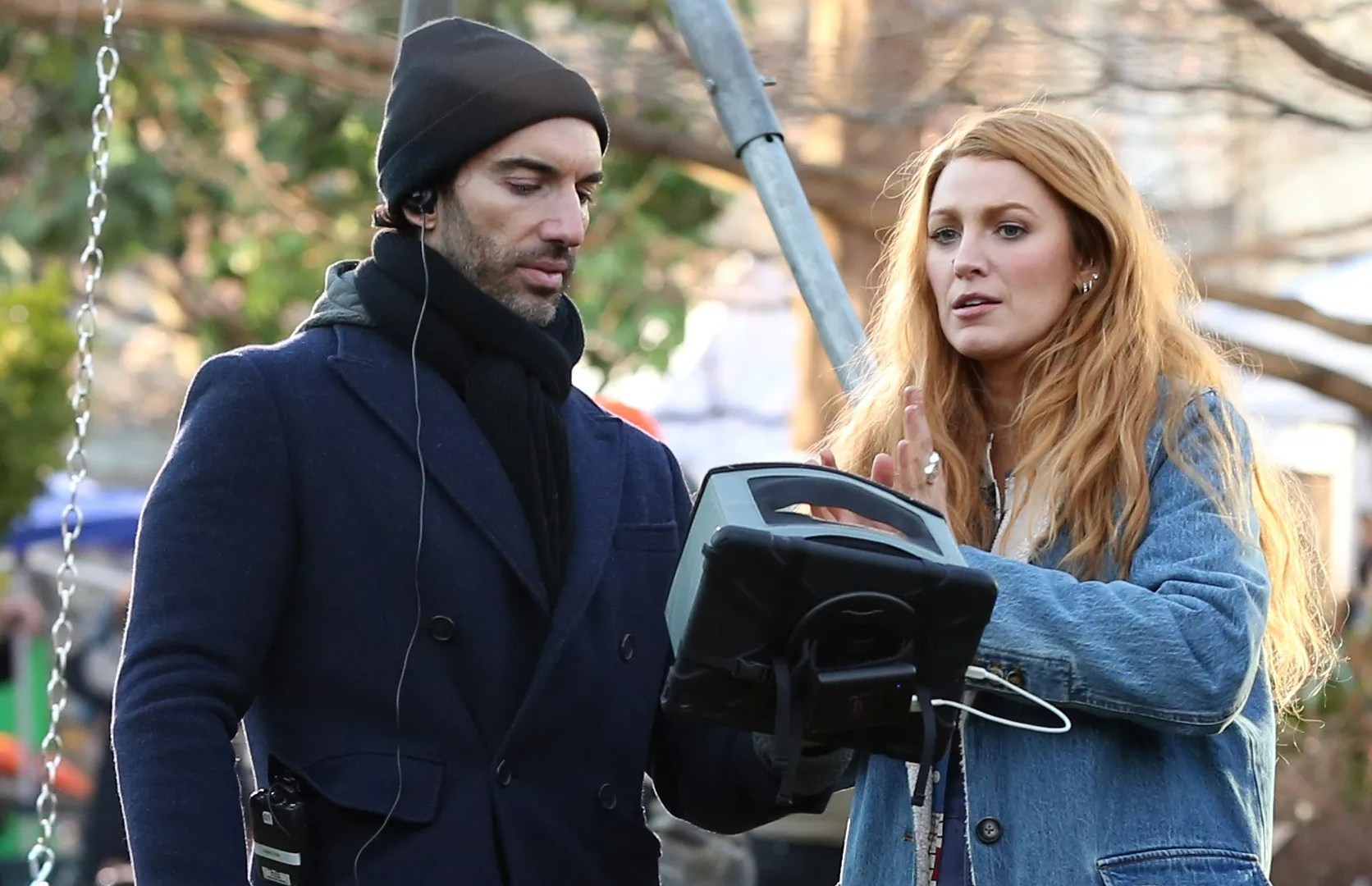
Blake Lively, renowned for her role in Gossip Girl, has filed a lawsuit against her It Ends With Us co-star, Justin Baldoni, alleging a pattern of inappropriate behavior during the film’s production. Lively’s complaint centers on Baldoni’s alleged persistent discussions of his sex life, inquiries about her weight, and display of explicit images and videos of other women. Furthermore, she claims Baldoni frequently referenced his purported past struggles with pornography addiction. These actions, according to Lively, created a hostile and uncomfortable work environment. She contends that these behaviors caused her significant emotional distress and impacted her family as well. The lawsuit further suggests that Baldoni engaged in a smear campaign to damage her reputation following her complaints to the film’s executives.
The tension on the set of It Ends With Us reportedly escalated to the point where an all-hands meeting was convened, which even included Lively’s husband, Ryan Reynolds. During this meeting, Lively reportedly reiterated her concerns, specifically requesting that Baldoni cease showing her explicit material, discussing his sex life, commenting on other cast members’ bodies, and inquiring about her weight. She also sought to ensure that no additional sex scenes or sexually explicit content beyond what was initially agreed upon in the script would be added to the film. While Sony Pictures, the film’s distributor, reportedly acquiesced to Lively’s requests, the lawsuit alleges that Baldoni subsequently resorted to “social manipulation” to tarnish her reputation.
Baldoni, through his attorney Bryan Freedman, vehemently denies Lively’s accusations, characterizing the lawsuit as “shameful,” “false,” “outrageous,” and “intentionally salacious.” Freedman asserts that Lively’s motivations stem from a desire to repair her perceived negative image following reports of her exhibiting “diva-like” behavior on set. He contends that the lawsuit is a strategic maneuver to deflect from these negative portrayals and recast her public persona. This contrasting narrative sets the stage for a potentially contentious legal battle, with both sides presenting starkly different accounts of the events that transpired during filming.
The fallout from this alleged on-set conflict extended beyond the production phase, significantly impacting the film’s promotional activities. Lively and Baldoni reportedly refused to participate in joint interviews or promotional events, highlighting the depth of their discord. During solo promotional appearances, Lively faced criticism from fans who perceived her promotion of her haircare line, Blake Brown, as “opportunistic.” This further complicated the film’s publicity tour and fueled speculation about the strained relationship between the two leads.
Despite the behind-the-scenes turmoil, It Ends With Us achieved considerable commercial success, grossing $350 million at the worldwide box office. Its opening weekend performance was second only to Reynolds’ Deadpool vs Wolverine, showcasing the film’s appeal despite the controversy surrounding its stars. However, sources close to the production have indicated that a sequel is highly unlikely, citing the irreconcilable differences between Lively and Baldoni. The prospect of these two actors collaborating again seems remote given the severity of the allegations and the ensuing animosity.
The case of Blake Lively vs. Justin Baldoni highlights the complex dynamics that can arise on film sets and the potential for disputes to escalate into full-blown legal battles. It underscores the importance of addressing workplace harassment concerns promptly and effectively and the challenges involved in navigating such sensitive situations. The diverging accounts presented by both parties underscore the complexities of truth-finding in such cases and the potential for reputational damage on both sides. Ultimately, the legal process will determine the validity of Lively’s claims and the extent of Baldoni’s alleged misconduct. Regardless of the outcome, the controversy surrounding It Ends With Us serves as a reminder of the pervasive nature of harassment allegations in the entertainment industry and the need for continued efforts to foster safe and respectful working environments.