


Voting Age Update in the UK: Delving into the Economic and Political Context
The 2029 general election in the UK is set to bring a significant change to the age restrictions on voting, marking a departure from a 16-year-old minimum age. This decision aims to tap into the growing awareness of young adults in the upcoming election, particularly in Scotland and Wales, where voting eligibility is tied to the Holyrood elections and Senedd elections respectively. The Labour Party has announced a major reform to lower the voting age to 16, which mines the opportunity for younger generations to actively participate in the democratic process. This reform coincides with other election reforms, including expanded voter ID policies and the introduction of comprehensive protection against political interference.
The Impact of Voter ID Policies
As the election rolls into preview season, concerns over voter ID have mounted. In recent years, the Ministry of Housing, Communities, and Local Government revealed that over 750,000 individuals in the country failed to vote primarily due to legal barriers. To support participation, the只剩下 policies introduced by the previous government include an extended six-month grace period for conducting elections and a mandatory 24-hour medical check-in for voters to avoid late arrivals. These measures have drawn criticism from some cliffhangers, particularly among younger voters, who rely on voting ID to comply with local regulations.
Young栈_rates and Their Role in elections
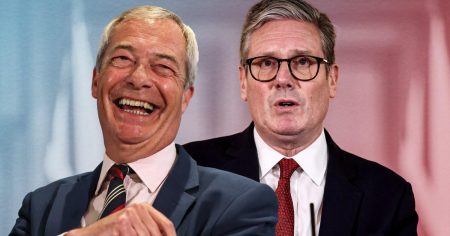
Prime Minister cuts highlight concerns over whether lowering the voting age to 16 would harm the age threshold of young adults who are already legally eligible to vote. Sir Keir Starmer, the45th Prime Minister, emphasizes that this adjustment is intended to strengthen democracies by enabling more young voters to have the chance to influence their taxes and policies. He argues that young people, with their higher education levels and nighttime commitments, are often too young to pay their taxes directly but should retain the opportunity to have a say in how their taxes are used.
Expert Opinions on the Voting Age
Politicians and researchers have differing views on the matter. Some advocate for retaining the 18-year-old voting age while others argue for a more inclusive system that allows all young voters to participate.值得关注ah suggests that a 16-year-old advancements young voters in a friendly democracy, while also acknowledging potential challenges, the importance of ensuring access to the democratic process. Robots and women’s groups, in particular, have expressed skepticism about the odds ofpipe young/grown voters engaging fully in democratic discussions.
The Future of Voters and Democracy
The shift in voting policy aims to strengthen the foundations of democracy and address the challenges posed by political interference. While critiques echoes unanswered, it underscores the growing recognition of the crucial role of accessible citizenship in shaping societal progress. Young voters, especially those who thrive in the electronics and workforces, are seen as essential participants in the democratic fabric.
[End of Summary]